Planting raw peanuts can be a rewarding project for home gardeners. The right raw, unsalted peanuts with skins can be grown into home crops with proper timing and care. This guide highlights five suitable options, focusing on raw, unroasted varieties that are commonly used for planting, cooking, and snacking. Each option features safety, sourcing, and storage considerations to help you choose the best fit for your garden and kitchen needs.
| Product | Brand | Qty / Size | Notes |
|---|---|---|---|
| Rani Peanuts, Raw Whole With Skin | Rani Brand Authentic Indian Products | 80 oz / 5 lbs | USA grown, Spanish #1 Grade, raw and unsalted |
| Spicy World Peanuts, Raw Whole With Skin | Spicy World | 64 oz / 4 lbs | USA grown, unsalted, raw, in-shell |
| Rani Peanuts, Raw Whole With Skin | Rani Brand | 48 oz / 3 lbs | USA grown, Spanish #1 Grade |
| Aiva Raw Spanish Peanuts | AIVA WE BELIEVE IN QUALITY | 5 lb | USA grown, #1 grade, raw and unsalted |
| Pinstar Premium Raw Red Skin Peanuts | Pinstar Premium | 3 lb | USA grown, red-skin, raw and unsalted |
Rani Raw Whole With Skin – 5lb

Rani Raw Whole With Skin peanuts are fresh, USA-sourced, and processed as Spanish #1 Grade. They are unsalted, uncooked, and come with red skins intact, making them suitable for planting as well as culinary uses. The product is Kosher and Non-GMO, with no preservatives, and is gluten-friendly. Ideal for gardeners who also enjoy peanut-based recipes, these peanuts provide a robust base for seeds and planting experiments while offering versatility in the kitchen.
Spicy World Raw Whole With Skin – 4 lb
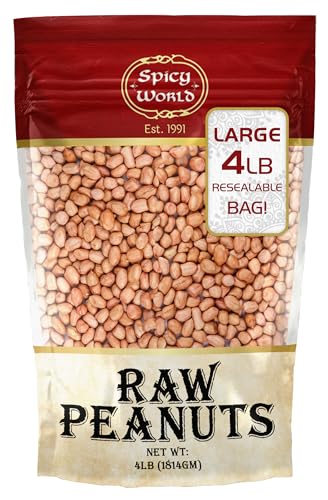
Spicy World offers a USA-grown, in-shell peanut option that is raw and unsalted. The large 4-pound bag provides ample material for planting trials, roasting, or grinding into spreads. While primarily marketed for consumption, raw, unroasted peanuts with their skins intact can serve as a viable planting stock in many home garden setups, provided they are kept dry and stored properly to maintain viability before planting windows.
Rani Raw Whole With Skin – 3lb

This 3-pound option from Rani Brand is another USA-produced, Spanish #1 Grade peanut with red skins and raw, unsalted characteristics. Suitable for planting or multiple culinary uses, the product emphasizes freshness and a reliable production background with kosher and non-GMO assurances. For gardeners, it offers a balanced size pack to test soil and climate suitability before scaling up.
Aiva Raw Spanish Peanuts 5 lb

Aiva provides premium raw Spanish peanuts sourced from the USA in a 5-pound bulk. The product is whole, red-skin, raw, and unsalted, making it a practical choice for planting and various cooking applications. The brand emphasizes quality and natural ingredients without preservatives, supporting both garden experiments and home recipes.
Pinstar Premium Raw Red Skin Peanuts – 3 lb
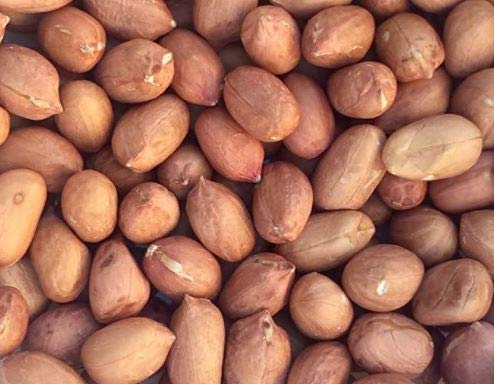
Pinstar Premium offers raw red-skin peanuts in a 3-pound bag, grown in the USA. The peanuts are unsalted and unroasted, presenting another option for planting and culinary uses. The red skin and whole-peanut format can support seed viability testing and soil-to-sprout experiments, while also serving as a snack or baking ingredient when desired.
Buying Guide: Key Purchase Considerations
- Seed viability vs. culinary use: Not all raw peanuts are ideal for planting. Look for raw, in-shell varieties with intact skins and no added salt to maximize germination potential.
- Freshness and storage: Raw peanuts should be stored in a cool, dry place. Prolonged exposure to heat or moisture can reduce viability or lead to mold.
- Origins and quality: USA-grown peanuts can offer consistent quality and traceability, which is helpful for gardeners seeking reliable planting stock.
- Shell presence: In-shell peanuts tend to have better viability for planting than shelled varieties. Ensure the product is unsalted if planting is your priority.
- Dietary and safety notes: Check for Kosher, Non-GMO, and preservative-free labels if those factors matter to you, especially for kitchen-use alongside planting projects.
- Quantity and planning: Choose a size that aligns with your planned planting area and timeline. Starting with a smaller batch helps you test germination before expanding.
- Storage and pre-treatment: Some gardeners prefer starting seeds indoors with proper warming and soil conditions; others plant directly outdoors after the last frost.