Growing peas at home is a quick, rewarding way to add fresh pods to salads, stir-fries, and dinners. This guide highlights five reliable pea seed varieties that perform well in containers, gardens, and small spaces, with a focus on flavor, germination, and easy care. Each option below is a well-regarded, non-GMO or organic seed choice designed to deliver juicy, crunchy pods and dependable yields in cool-season conditions.
| Product | Brand | Why It Stands Out |
|---|---|---|
| HOME GROWN Snap Pea Seeds | HOME GROWN | Compact, bush-type vines; edible 3-inch pods; no trellis needed |
| Sow Right Seeds Sugar Snap Pea Seeds | Sow Right Seeds | Heavy yields; tall vines with easy germination; great for home gardens |
| Organic Snap Pea Seeds (Sugar Daddy) | Purely Organic Products LLC | Non-GMO, organic, bushy vines; sweet, stringless pods |
| Survival Garden Seeds Oregon Sugar Pod II Pea Seed | SURVIVAL GARDEN SEEDS | Short vines with solid production; good for trellising or open ground |
| 120 Early Frosty Pea Seeds | Generic | Early-season English pea variety; resilient in cooler conditions |
HOME GROWN Snap Pea Seeds For Planting

HOME GROWN offers organic, heirloom Cascadia snap peas designed for compact growing spaces. The seeds are USDA Organic certified by ECOCERT and described as crisp, sweet, and stringless, producing 3-inch pods. This variety is well-suited for containers and small balconies, with a bush-type habit that reaches about 24-30 inches tall. Gardeners seeking a low-maintenance, beginner-friendly pea option will appreciate the consistency and flavor that makes these peas ideal for fresh snacking, stir-fries, and quick meals from garden to table.
Key traits include a non-trellis growth habit, ease of care, and strong germination for cool-season harvests. Because the plants stay compact, they’re less prone to sprawling, making harvesting straightforward in limited spaces. For best results, provide full sun, regular moisture, and a light feeding to sustain pod production through the growing window.
Sow Right Seeds Sugar Snap Pea Seeds For Planting
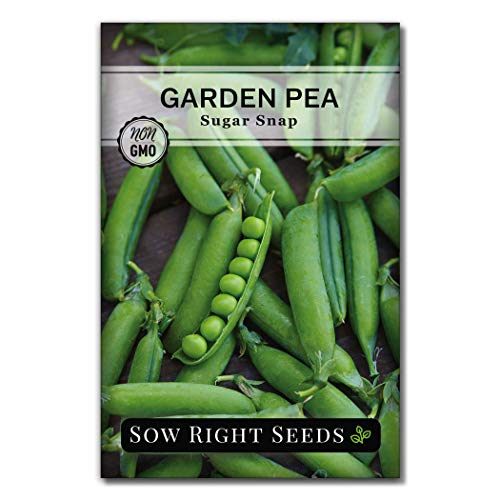
Sow Right Seeds provides robust sugar snap pea seeds with notable germination and vigorous growth. The seeds yield tall vines (about 5-6 feet) with heavy pod production. Each packet contains a generous minimum seed count, making it an economical choice for home gardeners. Germination typically occurs within 6-10 days when soils are between 45-75°F, and plants thrive in full sun with rows spaced to accommodate their height. Pods mature in about 50-65 days, presenting a reliable harvest window for successive picking. The variety is versatile for fresh eating, salads, and quick-cook dishes, offering a dependable, flavorful harvest for weeks during the cool season.
Organic Snap Pea Seeds (Sugar Daddy)

Purely Organic Products LLC offers Organic Snap Pea Seeds known as Sugar Daddy, a non-GMO, open-pollinated option. These seeds produce sturdy, bushy vines with sweet, crisp pods that are ready to pick without shelling or destringing. Trellising is optional; the vines can grow in compact spaces, making them suitable for balcony gardens or small plots. The seeds are described as high germination with strong fresh yields, and the organic certification appeals to gardeners prioritizing soil health and pesticide-free production. For best results, plant in full sun with well-drained soil and steady moisture to avoid pod bounce-back or stunted growth.
Survival Garden Seeds Oregon Sugar Pod II Pea Seed

Oregon Sugar Pod II from Survival Garden Seeds is a snow pea variety with short, productive vines reaching about 28 inches. Described as reliably productive with low maintenance, these seeds do well with trellising but can also be grown in open beds where space is limited. The 4-inch pods provide a tasty raw or lightly cooked harvest, making them a favorite for quick salads or snack pods. The packet includes planting instructions for gardeners new to peas and those saving seeds for future seasons, supporting long-term self-sufficiency and garden resilience.
120 Early Frosty Pea Seeds

The 120 Early Frosty Pea seeds represent an English pea option designed for early-season harvests. The listing emphasizes hardiness and quick establishment in cooler soils, making them suitable for regions with long springs or short summers. Gardeners can direct-sow as soon as the soil can be worked, with a focus on early-season productivity and a reliable harvest window. Although the description is compact, such varieties often deliver crisp peas with classic pea flavors that suit simple preparations and batch cooking during peak harvest times.
Buying Guide: Key Purchase Considerations
When selecting pea seeds, consider the following factors to optimize results and align with garden goals:
- Habit and space: Choose bush or dwarf varieties for containers and small plots; tall vines require trellises or netting.
- Germination and growing season: Look for seeds bred for cool-season performance and rapid germination to maximize the short growing window.
- Pod type and flavor: Sugar snaps yield flat, crunchy pods with edible peas inside; snow peas are flat and stringless, ideal for raw snacking.
- Organic and non-GMO status: If organic or non-GMO assurances are important, prioritize certified organic options or clearly labeled non-GMO seeds.
- Harvest timing: Some varieties mature in as little as 40-50 days; others provide longer harvest windows. Plan plantings to stagger yields.
- Space for support: Albums of trellising or fencing can dramatically affect harvest ease; ensure space and support are ready.
- Storage and germination viability: Fresh seeds germinate more reliably; consider seed age and storage conditions to maintain viability for future seasons.
Additional Considerations
Beyond basic cultivation, gardeners may explore saving seeds for next year, optimizing soil health with compost, and using succession planting to extend harvest periods. For containers, select compact, bushy varieties and use lightweight, well-draining potting mixes to prevent root stress. In regions with unpredictable springs, start seeds indoors or in seed-starting trays, then transplant after the last frost to protect young plants from cold snaps. Assess local climate, soil type, and sunlight exposure to determine the best five-to-seven-week planting schedule for consistent pod yields.