Milkweed is essential for monarch butterflies, offering both nectar and larval host leaves. This guide highlights five reliable milkweed options ideal for American pollinator gardens, spanning seeds and live plants to fit different growing preferences and climates. Explore varieties that attract a range of pollinators while supporting monarch conservation.
| Product | Brand | Type | Notes |
|---|---|---|---|
| Seed Needs Milkweed Seeds Collection | Seed Needs | Seeds | Pink, Orange, White Swamp & more |
| Gardeners Basics Milkweed Seeds 4 Varieties | Gardeners Basics | Seeds | Rose, Showy, Butterfly, and Rose varieties |
| Generic Pink Milkweed Live Plants | Generic | Live Plants | 4–6 inches tall, pink flowers |
| Showy Milkweed Seeds Asclepias Speciosa | SURVIVAL GARDEN SEEDS | Seeds | Monarch host, drought-tolerant |
| Butterfly Milkweed Seeds Asclepias Tuberosa | SURVIVAL GARDEN SEEDS | Seeds | Showy orange flowers |
Seed Needs Milkweed Seeds Collection
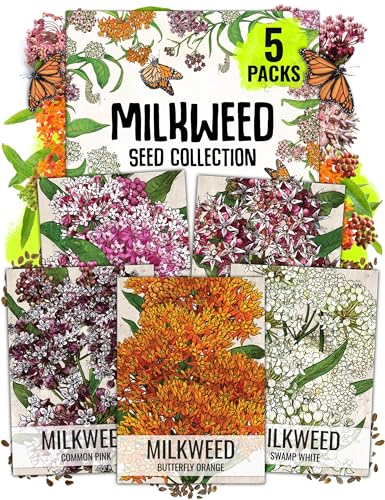
The Seed Needs collection provides a diverse set of milkweed seeds designed to attract monarchs and other pollinators. Varieties include Showy Milkweed (Asclepias speciosa), Pink Swamp Milkweed (Asclepias incarnata), White Swamp Milkweed, Orange Butterfly Milkweed (Asclepias tuberosa), and Common Milkweed (Asclepias syriaca). These seeds support biodiversity by offering multiple nectar sources and larval hosts across seasons. The package is suitable for gardeners seeking a ready-to-plant mix to establish a monarch-friendly habitat. Growth success benefits from stratification and consistent moisture as seedlings establish.
Gardeners Basics 4 Variety Milkweed Seeds
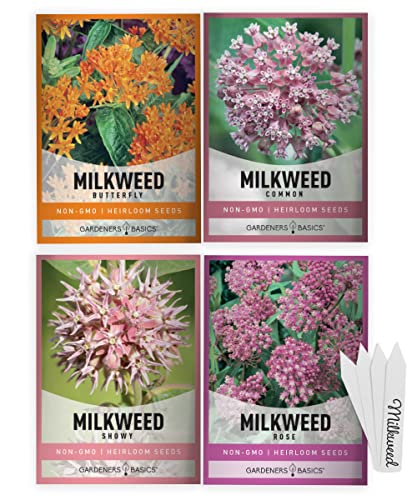
This 4-variety seed pack features common, showy, butterfly, and rose milkweed varieties, expanding pollinator-friendly options in a single purchase. Each variety offers distinct bloom colors and growth habits, increasing nectar availability and habitat diversity for monarchs and other pollinators. The seeds are positioned to support monarch lifecycles while inviting a broader spectrum of bees and butterflies to the garden. As with many seeds, germination success improves with temperature-managed germination and subsequent transplanting into prepared soil.
Generic Pink Milkweed Live Plants

Pink Milkweed live plants are shipped 4–6 inches tall, making them ready to establish in garden beds or containers. As a pollinator magnet, pink milkweed attracts monarchs, bees, and other beneficial insects, contributing to a robust garden ecosystem. Tall, robust stems bloom mid-summer to early fall, offering ongoing nectar sources. Plant in full sun with well-drained soil, and monitor for transplant shock to ensure successful establishment in the landscape.
Showy Milkweed Seeds Asclepias Speciosa
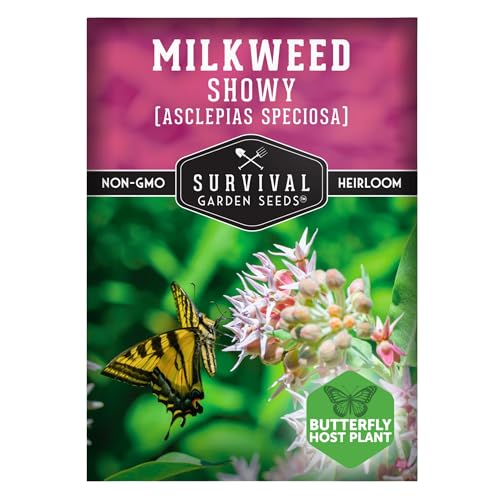
Showy Milkweed (Asclepias speciosa) seeds represent a native North American option suitable for zones 3–9. This drought-tolerant perennial serves as a monarch larval host and supports a broader moth and bee community. Its fragrant pink-purple blooms appear mid-summer through September, attracting a variety of pollinators. Ideal for prairie restoration, xeriscaping, butterfly borders, and pollinator gardens, Speciosa also helps diversify habitat structures within landscapes and naturalize gardens over time.
Butterfly Milkweed Seeds Asclepias Tuberosa

Asclepias tuberosa, commonly called butterfly weed, features showy orange flowers and grows about 12–18 inches tall. It is a strong monarch attractant and supports a range of pollinators including bees and hummingbirds. Stratification improves germination for seeds used in indoor starting or direct sowing. A versatile native option that thrives in sunny spots and well-drained soil, Tuberosas contribute vibrant color and essential habitat for monarchs and other wildlife in garden landscapes.
Gardeners Basics Milkweed Seeds Starter Kit

The Milkweed Seeds Starter Kit offers four essential milkweed varieties—common, butterfly, rose, and showy—along with eight reusable starter pots, soil disks, plant markers, and growing instructions. This comprehensive kit supports indoor germination and a smooth transition outdoors, making it suitable for beginners and seasoned gardeners. Clear guidance helps maximize germination rates and establish a robust pollinator-friendly habitat for monarchs and other pollinators across seasons.
HOME GROWN Monarch Butterfly Wildflower Mix

This bulk wildflower seed blend emphasizes monarch-friendly nectar and milkweed content, delivering a broad biodiversity boost for pollinator gardens. With a mix of milkweed and perennial wildflowers, it creates season-long color and habitat. The product targets large-scale planting efforts, offering an economical option for creating expansive pollinator meadows that support monarchs, bees, and hummingbirds alike. It is suitable for both sunny meadows and prepared beds in home landscapes.
Buying Guide: Key Considerations For Choosing Milkweed
- Monarch Host vs. Nectar: Some varieties primarily offer nectar, while others are key larval hosts. For monarch conservation, combine both host and nectar sources.
- Climate And Hardiness: Check USDA hardiness zones. Native species tend to perform best in their historical ranges, with drought-tolerant options ideal for water-conscious landscapes.
- Growth Habit And Space: Choose tall, spreading, or compact cultivars based on available space and container suitability. Some varieties attract more butterflies, while others are better for borders or prairie-style gardens.
- Seed Treatment And Germination: Seeds may benefit from stratification or scarification. Live plants may establish faster but require careful transplanting.
- Pollinator Diversity: Incorporate multiple nectar sources (neighborhood color and bloom times) to support a broader pollinator community beyond monarchs.
- Maintenance And Establishment: Plan for regular watering during establishment, and consider soil type and sun exposure to maximize survival and bloom.
- Ecological Impact: Native and non-GMO varieties often align with conservation goals. Avoid invasive look-alikes and prioritize species known to support local wildlife.
- Aesthetics And Bloom Color: Mix colors (pink, orange, white, purple) for visual appeal while maintaining ecological function.