Choosing the right seed starting pots can improve germination rates and reduce transplant shock. This guide highlights five top options designed for American gardeners, emphasizing drainage, root health, and ease of use. Each product includes breathable materials, biodegradable options, and/or convenient designs to support strong early growth.
| Product | Brand | Type | Quantity |
|---|---|---|---|
| Back to The Roots Organic & Plantable Seed Starting Pots (24 CT) | Back to The Roots | Organic Plantable Pots | 24 Pack |
| Back to The Roots Organic & Plantable 4.25″ Wide Seed Starting Pots (8 CT) | Back to The Roots | Organic Plantable Pots | 8 Pack |
| Burpee SuperSeed Seed Starting Tray | 16 XL Cell | Burpee | Seed Starting Tray | 16 Cells |
| MIXC Thickened Clear Nursery Pots with Silicone Base | MIXC | Clear Reusable Pots | 30 Pack |
| Dalzom 60Pcs 3.1” Peat Pots | Dalzom | Biodegradable Peat Pots | 60 Pack |
Back to The Roots Seed Starting Pots (24 CT)

These organic, plantable seed starting pots are designed without glues or binders, delivering a USDA Certified 100% biobased product. The breathable pots promote strong, healthy root systems by enhancing drainage and minimizing transplant shock. They’re peat-free, environmentally friendly, and sustainably sourced, making them an appealing option for eco-conscious gardeners who want to plant directly into the ground when seedlings are ready.
Back to The Roots Plantable 4.25″ Pots (8 CT)

This set provides 4.25″ wide plantable pots that are ideal for starting a wide range of seeds. They share the same core benefits as the smaller version, including no glues or binders, USDA-certified biobased composition, and breathable, drainage-friendly design to reduce transplant shock. The larger size supports more ambitious seed sets or larger transplants for quicker garden readiness.
Doubleggs 70-Pack Seedling Pots with Labels

The Doubleggs starter kit combines 70 square peat pots, 100 planting labels, and two mini transplanting tools. Crafted from recycled pulp, these pots mimic clay’s breathability to support root health. They are designed to biodegrade when planted, reducing waste and simplifying transplantation. The included labels help keep track of multiple varieties, making it a practical choice for beginners and experienced gardeners alike.
MIXC 30-Pack Clear Nursery Pots with Silicone Base

The MIXC pots feature a flexible silicone bottom to ease transplanting without root damage. Made from durable PP material, these transparent pots offer visibility into root growth and soil moisture, making it easier to monitor seedling health. They are reusable season after season, helping reduce waste while providing clear insight into plant development during the seed-starting process.
Dalzom 60Pcs Peat Pots With Labels

Dalzom provides 60 peat pots with matching plant labels. Each pot measures 3.1″ at the top with a 2″ bottom diameter, designed for seedling growth and easy direct planting. Made from recycled pulp, these pots are 100% biodegradable and support gentle transplanting by enabling direct soil incorporation without root disturbance.
Augshy 110 Pcs 4″ Nursery Pots
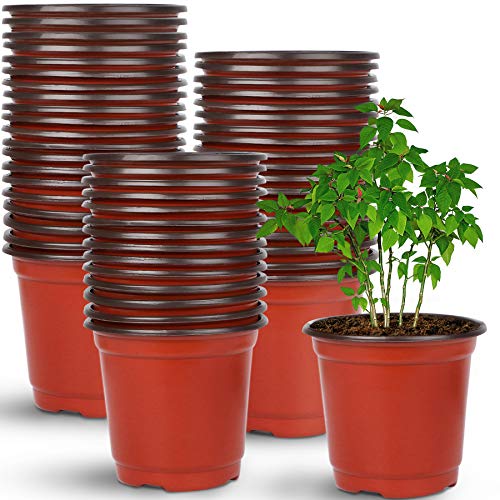
Augshy offers a large batch of 4″ plastic nursery pots, ideal for green projects, home gardening, and display in retail or public spaces. Made from durable PP material with a smell-free profile, these pots are break- and wear-resistant, reversible to their original shape after deformation, and reusable after cleaning. They provide a solid option for seed starting and early transplanting in a variety of settings.
Buying Guide: Key Purchase Considerations
- Material and environmental impact: Biodegradable peat pots and plantable options reduce waste and support direct soil planting, while reusable plastic pots offer longevity and visibility of root health.
- Drainage and airflow: Pots with drainage holes and breathable materials help prevent root rot and encourage robust root systems, crucial for seed starting success.
- Size and plant type compatibility: Smaller pots are suitable for many herbs and starter seedlings, while larger pots accommodate deeper roots or larger starters.
- Transplanting ease: Silicone bases or flexible bottoms can simplify transplanting, reducing root disturbance and stress on seedlings.
- Labels and organization: Bundles including plant labels help track varieties, sow timings, and growth progress, particularly in mixed seed flats.
- Storage and reuse: Consider whether you prefer disposable options for a single season or durable pots that can be cleaned and reused for multiple cycles.
- Cost and survival rate: Seed starting success depends on pot quality, material breathability, and drainage; balance upfront costs with long-term value.
- Environment and gardening goals: For organic or eco-friendly preferences, choose pots that are organic, biobased, and sustainably sourced.
In selecting seed starting pots, gardeners should weigh factors such as root health, transplant ease, and environmental impact. The options above cover a range of preferences—from plantable and biodegradable designs to reusable plastic pots with clear root visibility. Each choice aims to support robust germination, simple care, and a smoother transition from indoors to outdoor beds or containers.