Choosing the right water pump for field work means balancing power, durability, and portability. This guide highlights five dependable models suited to field irrigation, drainage, and general water transfer. Each product below includes practical features like high lift, self-priming, or diaphragm operation to handle variable field conditions. Read on to compare capabilities and find a pump that matches your outdoor workload and power availability.
Summary Of Chosen Products:
| Product | Type | Key Feature | Power Source |
|---|---|---|---|
| FIELD KING 190328 Backpack Sprayer | Backpack Sprayer | Internal No Leak Pump, 150 PSI | Manual Pump |
| VEVOR 115V Shallow Well Jet Pump | Jet Pump | 164 ft max head, 66 GPM | Electric (AC) |
| 38cc 4 Stroke Gasoline Water Pump | Gasoline Trash Water Pump | Trash water handling, 98 ft head | Gasoline |
| LTIGOAW 1.5-Inch Gas Water Pump | Trash/Transfer Pump | 6500 RPM, 15 m³/h, 28 m lift | Gasoline |
| Eapmic Gas Water Transfer Pump | Semi-trash Pump | 60 m³/h, 28 m head | Gasoline |
FIELD KING 190328 Backpack Sprayer
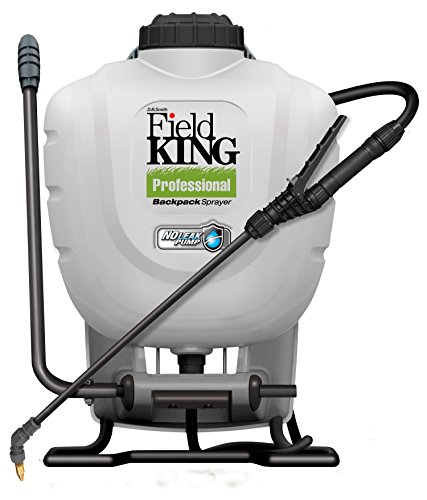
The FIELD KING 190328 is a backpack sprayer designed to minimize chemical exposure and back strain. It features an internal no-leak pump that reduces dripping on the wearer, a robust 150 PSI pumping capability, and a 21-inch poly wand with Viton seals. The design supports both liquids and wettable powders, making it a versatile field tool for irrigation and treatment tasks. The premium brass components in the shut-off and an inline filter contribute to durability in rugged field conditions.
VEVOR 115V Shallow Well Jet Pump

VEVOR’s shallow well jet pump is built for field irrigation with a powerful 1 HP motor and a high lift capability. It can draw water from wells or surface sources and deliver up to 66 GPM with a maximum head of 164 feet. The unit operates within a 20–40 PSI range and includes a smart pressure switch that automatically starts and stops with faucet use. A simple priming process and cast-iron construction add to its durability in outdoor environments.
38cc 4 Stroke Gasoline Water Pump
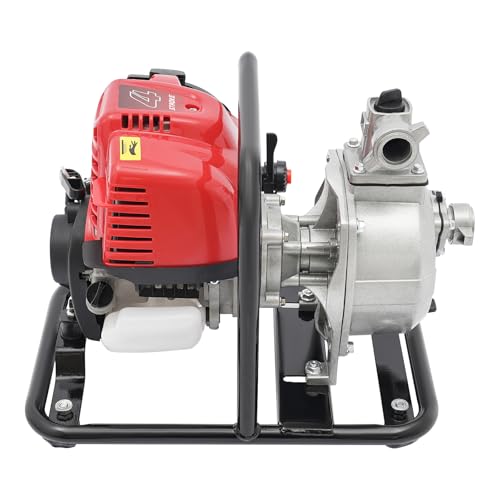
This gasoline-powered water pump combines a sturdy carbon steel and aluminum alloy build with a 38cc engine to deliver strong flow rates for field drainage and transfer. It can handle water with small solids and offers a maximum output around 35.67 gallons per minute. With a 26.25-foot suction head and a total head near 98 feet, it is well-suited for irrigation and rapid water movement in rough terrain, though it requires fuel management in the field.
LTIGOAW 1.5-Inch Gas Water Pump

The LTIGOAW pump emphasizes durability and efficiency, using a combination of polished aluminum and high-impact plastic. It features a 1.6 HP 4-stroke engine running up to 6500 RPM, delivering about 15 m³/h with a lift of 28 meters. The device is designed for long operation periods, offering a balance of performance and fuel economy for field irrigation and water transfer tasks. It is suitable for users who need reliable, mobile pumping in remote locations.
Eapmic Gas Water Transfer Pump

The Eapmic semi-trash water transfer pump is designed for field pumping needs with a 60 m³/h flow rate and a head of up to 28 meters. Powered by a gasoline engine, it supports applications such as pool drainage, garden watering, and irrigation. Its semi-trash designation indicates suitability for water with moderate solids, making it a versatile for field scenarios where debris is present.
Buying Guide: Key Purchase Considerations
When selecting a water pump for field work, consider the following factors to ensure the unit meets your needs across different tasks.
- Power source and mobility: Gasoline engines offer portability for remote sites, while electric models provide quieter operation and simpler maintenance. For large fields, weigh fuel availability and runtime.
- Flow rate and head height: Match the required flow (GPM or m³/h) and the lift (head) to your water source and irrigation layout. Higher heads mean greater pumping effort and fuel usage.
- Headroom for solids: If you’ll encounter debris, choose pumps labeled as trash or semi-trash with appropriate filtration or robust impellers.
- Durability and materials: Look for cast iron or aluminum alloy bodies, corrosion-resistant seals, and reinforced frames for long field life.
- Priming and startup: Self-priming models simplify initial setup, especially after moving between water sources or during startups in hot climates.
- Maintenance: Availability of spare parts, seal replacements, and filter availability can affect uptime in the field.
- Noise and emissions: Gas pumps can be louder and emit fumes; consider working environments and local regulations when choosing power sources.
In practice, field tasks vary from irrigation to drainage. A high-lift jet pump with a wide flow range can cover both tasks, while a rugged trash-capable unit is better for water with sediment. For daily use across diverse sites, keep a balance of portability, fuel efficiency, and ease of maintenance in mind.