Finding the right plastic nursery pots can streamline seed starting, transplanting, and container gardening. The following picks emphasize durability, drainage, and ease of reuse—perfect for vegetable growers targeting healthier roots and higher yields. Each product below is designed to support seed starting, cuttings, and young transplants while staying lightweight and affordable for American households.
| Product | Size | Material | Drainage | Notes |
|---|---|---|---|---|
| OJYUDD 1 Gallon Pots | 1 gal | Soft plastic | Yes (holes) | Flexible, reusable |
| Pynqdfu 1 Gallon Pots | 1 gal | Soft plastic | Yes (drainage holes) | Lightweight, reusable |
| Bluepro Variety Pack | 3.5–6.7 inches | PET | Yes | Clear for root monitoring |
| DUNPUTE Large Clear Pots | 6–10 inches | Clear plastic | Yes | Transparent for root checks |
| Pro Cal 5-Gallon Set | 5 gal | Injection-molded plastic | Yes (side drainage) | Strong for outdoors |
OJYUDD 60 Pack 1 Gallon Pots

The OJYUDD 60-pack offers a robust set of 1-gallon seed-starting pots designed for frequent transplanting. The pots feature a 5.1 inch bottom diameter and a 6.5 inch opening, with a 6.7 inch height, making them suitable for seedlings and cuttings that need a bit more root space before potting up. Crafted from soft, thickened plastic, these containers are lightweight and capable of returning to shape after compression, reducing damage during handling. The included drainage holes support healthy root systems by helping excess moisture escape and preventing root rot. The durable black finish presents a clean, professional look in any greenhouse or windowsill setup.
Key considerations for use with vegetables include ensuring adequate drainage and avoiding over-tight packing of soil, which could restrict root growth. These pots are reusable, offering a cost-effective option for hobby gardeners who start multiple crops each season. For best results, pair with a compatible seed starting mix and a tray or saucer to catch runoff water.
Pynqdfu 60 Pcs 1 Gallon Pots

The Pynqdfu 60-piece set provides generous volume for transplants and starter plants. Each pot is made from soft, lightweight plastic designed to resist deformation and recover after pressure. With 16 bottom drainage holes, these pots promote fast drainage and air movement, which helps prevent soil compaction and supports robust root systems for vegetables like peppers, tomatoes, and leafy greens. The pots are easily reusable after washing, which aligns with sustainable gardening practices.
When choosing these for a vegetable setup, consider your growing plan: use larger pots for longer-term crops and seed-starting trays or smaller containers for cuttings. The included holes help prevent waterlogging and encourage consistent moisture levels in the root zone.
Bluepro 36-Pack Reinforced Clear Pots

The Bluepro variety pack includes 36 pots in multiple sizes (6.7″, 5″, 4″, and 3.5″), offering flexibility for different stages of vegetable growth. The PET construction provides durability while remaining lightweight, and the clear material enables easy root monitoring without disturbing the plant. The set is designed for reuse, with the ability to recover from minor deformations and return to form after handling and stacking. This is especially useful when managing a rotating vegetable crop where multiple plants require quick pot swaps.
Pros for vegetable gardeners include watching root development, ensuring proper drainage, and fitting a compact transplant schedule. If you frequently move plants between sunlit windows and shaded areas, the clear design can help optimize watering and light exposure.
DUNPUTE Clear Nursery Pots (6/8/10 Inch)

The DUNPUTE set includes 4 pots each of 6, 8, and 10 inches, covering several transplant stages for diverse vegetables. The clear design provides an excellent view of root activity and soil moisture, helping gardeners time their repotting needs. Bottom drainage holes promote drainage and air pruning, supporting healthier root systems. These larger pots are ideal for seedling growth of vegetables like tomatoes, peppers, and squash, allowing more substantial root systems before final transplant into larger planters or in-ground beds.
When using larger clear pots, ensure you have appropriate saucers or trays to manage water runoff and monitor soil moisture without oversaturation. They’re well-suited for greenhouse environments or sunny patios where quick root development is essential.
Pro Cal 5-Gallon Premium Nursery Pots (Set of 5)

The Pro Cal Premium 5-gallon pots are constructed from tough injection-molded plastic with wrap-around rims for added strength and a substantial base. They’re designed for outdoor and indoor use, offering robust support for larger vegetables and herbs, or as permanent containers in a garden setup. Drainage holes on the sides and a wide bottom make moisture management straightforward, reducing the risk of water pooling around roots. The large capacity makes these pots suitable for peppers, tomatoes, cucumbers, and similar crops that outgrow smaller nursery pots before final installation in raised beds or in-ground gardens.
For buyers planning long-term container gardening, these pots provide durability against exposure to sun, wind, and moisture. They can function as permanent planters in patios or balconies, supporting a multi-season vegetable program with consistent drainage and stability.
Augshy 110-Pack 4″ Nursery Pots
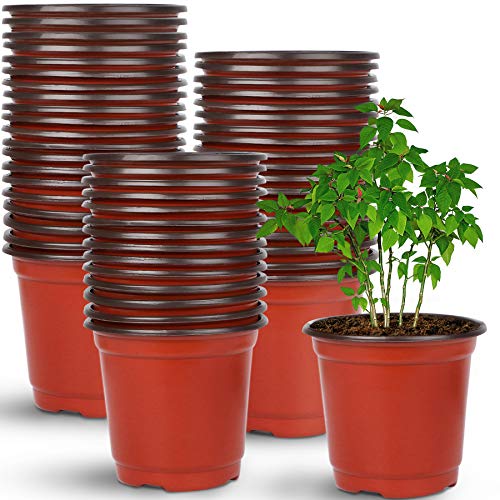
Augshy offers a large set of 110 4-inch plastic nursery pots, ideal for starting a broad range of vegetables, herbs, or flowers. The PP material is designed to be durable and break-resistant, with the ability to regain shape after deformation and reuse after washing. The 4-inch size fits well for starter trays, seedling clusters, and small transplants, and the 2.6-inch bottom diameter along with a 3.2-inch height provides a compact footprint for space-conscious gardeners. This set can support bulk seed starting or urban farming projects where multiple varieties are grown side by side.
Consider pairing these with a seedling tray and appropriate pot saucers. They’re especially beneficial for urban gardeners who need to maximize space while maintaining quick transplant cycles.
Buying Guide: Key Purchase Considerations For Plastic Pots
- Size and growth stage: Choose pots sized to match the crop’s growth stage. Smaller pots are ideal for seedlings and cuttings, while larger pots accommodate full transplants or longer-growing varieties.
- Drainage design: Look for pots with drainage holes that prevent waterlogging. Adequate drainage supports healthy root systems and reduces disease risk.
- Material durability: Injection-molded and PET plastics offer strength and reuse potential. Flexible, soft plastics can absorb impact but may wear faster with heavy use.
- Transparency vs. opacity: Clear pots enable root monitoring, which helps schedule repots and water management. Opaque pots hide root activity but can minimize light exposure to roots in some setups.
- Reusability and cleaning: Reusable pots save money over time; ensure they’re easy to wash and dry to prevent mold or pests.
- Stacking and storage: Uniform sizes simplify stacking and storage, especially in small spaces or during offseason.
- Compatibility with saucers: Saucers or trays prevent soil and water messes on floors or shelves and simplify drainage control.
- Budget and quantity: Large sets offer the best value for bulk projects but assess whether you’ll use all pots in a season to avoid waste.
- Outdoor vs. indoor use: If exposed to sun and temperature swings, choose UV-stable plastics designed for outdoor gardening to extend pot life.
- Environment and sustainability: Reusable pots reduce waste. Wash and sanitize between uses to minimize carryover pests or diseases.
In practice, select a mix of sizes to manage multiple crops—from fast-growing greens to longer-season vegetables. A well-rounded kit with 4–6 inch pots for starters and 6–10 inch pots for transplanting provides flexibility for most home vegetable gardens. Finally, pairing pots with proper soil mixes, nutrient management, and compatible trays will help maximize yields while keeping maintenance manageable for American households.