Managing aphid infestations swiftly and effectively ensures your plants stay vibrant and healthy. Below is a comprehensive table summarizing the top 5 pesticides that target aphids and other common plant pests, balancing organic and synthetic options suitable for various gardening needs.
| Product | Brand | Features |
|---|---|---|
| Safer 5118-6 Insect Killing Soap Concentrate | Safer | Kills aphids on contact, gentle on plants, controls multiple soft-bodied insects, OMRI organic listed |
| Trifecta Crop Control Ready to Use Maximum Strength | Trifecta | All-natural, controls aphids, spider mites, powdery mildew, safe for edible plants, no chemical residue |
| Garden Safe Brand Fungicide3 with Neem Oil Extract | Garden Safe | Fungicide, insecticide & miticide combo, organic, controls aphids and fungal diseases |
| BioAdvanced All-in-One Rose & Flower Plant Care | BioAdvanced | Combined fungicide and insecticide, controls aphids and common fungal diseases on roses and flowers |
| Organic Insecticide & Fungicide for Plants by ARBER | ARBER | Natural fungicide and insecticide, controls aphids, spider mites, powdery mildew, safe for indoor/outdoor plants |
Safer 5118-6 Insect Killing Soap Concentrate
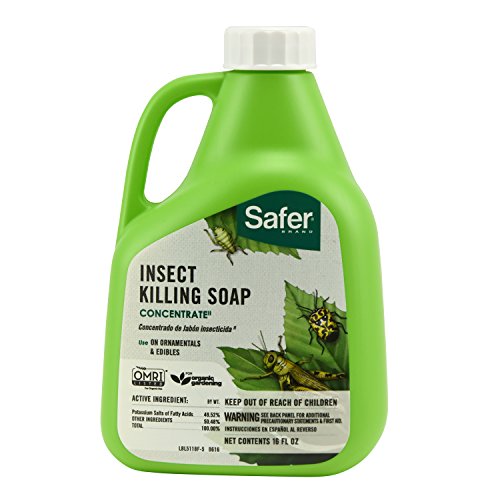
Safer 5118-6 Insect Killing Soap Concentrate offers effective aphid control along with other soft-bodied pests like whiteflies and spider mites. Its active ingredient, potassium salts of fatty acids, kills insects on contact by breaking down their outer shell and dehydrating them. This formula is gentle enough for use on a wide range of plants including flowers, herbs, vegetables, and shrubs. Being OMRI listed for organic gardening, it is an excellent option for gardeners seeking safe and environmentally friendly pest control.
Trifecta Crop Control Ready to Use Maximum Strength

This all-natural, plant-based pesticide by Trifecta combats aphids, spider mites, whiteflies, and fungus gnats effectively on both indoor and outdoor plants. The product doubles as a potent fungicide fighting powdery mildew and other fungal infections. It is biodegradable and safe for edible crops, leaving no harmful residue. The spray suffocates and dehydrates pests while remaining safe for beneficial insects and the environment, making it ideal for organic gardeners seeking a broad-spectrum pest and disease control solution.
Garden Safe Brand Fungicide3 with Neem Oil Extract

Garden Safe Fungicide3 combines a fungicide, insecticide, and miticide in one formula, making it suitable for controlling aphids, spider mites, and fungal diseases like black spot and powdery mildew. It is designed specifically for organic gardening and can be applied to roses, flowers, fruits, vegetables, and ornamental plants. The product kills eggs, larvae, and adult insects while also preventing fungal attacks, providing comprehensive plant health protection.
BioAdvanced All-in-One Rose & Flower Plant Care

The BioAdvanced All-in-One spray delivers dual protection as both an insecticide and fungicide for roses and flowering plants. It kills and prevents aphids, Japanese beetles, whiteflies, and controls diseases such as black spot, powdery mildew, and rust. This ready-to-use formula helps maintain plant vigor with minimal application, targeting a broad range of pests and fungal threats common to gardens and landscaping.
Organic Insecticide & Fungicide for Plants by ARBER

ARBER’s Organic Insecticide & Fungicide offers a versatile solution to manage aphids, spider mites, powdery mildew, thrips, and fungus gnats. This natural pesticide doubles as a leaf shine and is suitable for indoor and outdoor use on houseplants, vegetables, shrubs, and lawns. It’s compatible with other organic treatments and provides effective pest and disease control without toxic residues, aligning well with sustainable gardening practices.
Buying Guide for Choosing the Best Aphid Pesticide
Selecting the right pesticide for aphids involves multiple factors to balance efficacy, environmental impact, and plant safety:
- Organic vs. Synthetic: Organic options like insecticidal soaps, neem oil, and plant-based sprays minimize chemical residues and are safer for beneficial insects, children, and pets. Synthetic options may offer broader pest spectrum but could carry more environmental concerns.
- Target Pest Range: Choose a product that controls aphids specifically but also covers other common soft-bodied pests such as spider mites, whiteflies, and mealybugs for comprehensive protection.
- Fungicide Properties: Many aphid pesticides also include fungicidal action to prevent fungal diseases often associated with pest damage, enhancing overall plant health.
- Plant Compatibility: Ensure the pesticide is safe for your plant types (edibles, ornamentals, indoor plants) and won’t cause leaf burn or plant stress.
- Ease of Use: Ready-to-use sprays simplify application, while concentrates offer cost savings but require dilution. Consider your convenience and usage frequency.
- Safety Certifications: Look for OMRI listings or organic certifications if you maintain organic gardening practices.
- Environmental Impact: Biodegradable and non-toxic formulas help preserve beneficial insect populations and reduce chemical buildup in soil and water.
- Residue and Odor: A good aphid pesticide should leave minimal residue and no unpleasant odors, especially for indoor use.
By considering these aspects, you can choose a pesticide that effectively targets aphids while supporting safe, healthy plant growth in your garden or home.