Growing cucumbers at home is a rewarding way to enjoy crisp, garden-fresh produce all season. The following cucumber seed selections are chosen for reliability, flavor, and adaptability—from small-space containers to trellis-friendly vines. Each option offers non-GMO or organic credentials and varied harvest windows to suit different growing setups and climates.
The summary below highlights five standout varieties, including growth habit, typical harvest window, and key benefits. Use this guide to pick seeds that fit your garden size, whether you’re maximizing a sunny balcony or a spacious backyard trellis.
| Product | Brand | Key Benefits | Ideal For |
|---|---|---|---|
| Organic Cucumber Seeds (Marketmore 76) | Purely Organic Products LLC | USDA Organic, Non-GMO, Open Pollinated, Heirloom; 8-9″ slicing cukes; strong germination | Salads, slicing, fresh meals |
| Muncher Cucumber Seeds | SURVIVAL GARDEN SEEDS | Burpless, smooth skin; multi-stage harvest; high-yield vines | Snacking, fresh eating, containers |
| 50 Straight Eight Cucumber Seeds | RDR Seeds | Heirloom, pickling/slicing versatility; classic shaping | Pickling and slicing |
| Sow Right Seeds – National Pickling Cucumber | Sow Right Seeds | Burpless, self-pollinating, high yields; good for trellising | Pickles, salads, garden trellises |
| TomorrowSeeds – English Telegraph Burpless Cucumber | TomorrowSeeds | Long, seedless, mild flavor; Europe-style cucumbers | Fresh eating, salads |
Organic Cucumber Seeds (Marketmore 76) – Heirloom, Organic
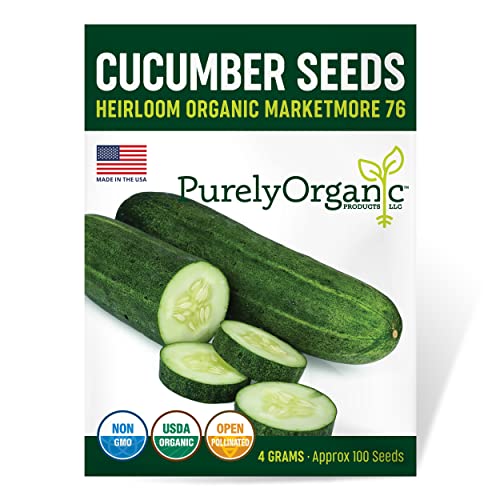
The Organic Cucumber Seeds Marketmore 76 are non-GMO and USDA Organic, offering robust, dark-green fruits about 8-9 inches long. This heirloom, open-pollinated variety is favored for slicing and fresh preparations. Germination is typically reliable when grown in full sun with well-drained soil. Trellising can help maximize space by keeping fruit off the ground and improving airflow, which may reduce disease pressure and improve fruit quality.
Muncher Cucumber Seeds – Burpless, Smooth Skin

These Muncher cucumber seeds focus on a burpless, low-acid experience with smooth skin ideal for snacking and fresh eating. The variety supports multi-stage harvests—great for those who want bite-sized cucumbers as early as 4-6 inches or longer fruits at 8-9 inches. The vines are compact and vigorous, performing well in containers or traditional garden beds, making them suitable for urban gardeners or limited-space plots where space efficiency matters.
50 Straight Eight Cucumber Seeds – Heirloom

The Straight Eight cucumber is a classic slicing varietal named for its typical harvest length of about 8 inches. As an heirloom non-GMO seed, it offers dependable performance for both home cooks and gardeners who enjoy fresh cucumbers in sandwiches and fresh salads. Expect traditional cucumber texture and flavor, with moderate space needs and straightforward care that suits many garden layouts.
Sow Right Seeds – National Pickling Cucumber
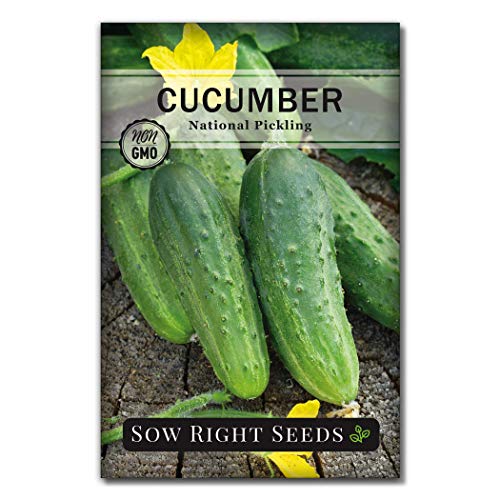
National Pickling Cucumbers are burpless and self-pollinating, with robust productivity and a strong performance for pickling or eating fresh. The seed packet notes a 7-10 day germination window in warm soil and a 55-65 day maturity, making them reliable for timely harvests. They’re well-suited for trellising to save space and to support higher yields in smaller garden plots or containers.
TomorrowSeeds – English Telegraph Burpless Cucumber

The English Telegraph Burpless cucumber seeds produce long, smooth, seedless-fruit varieties with a mild, sweet flavor and crisp texture. As a burpless type, they’re often favored for easier digestion and a smoother eating experience. These seeds are suitable for fresh eating in salads and for home gardens that aim to deliver European-style cucumbers in temperate climates.
Buying Guide: Key Purchase Considerations
- Growing space and trellis needs: Compact, bush-type cucumbers fit small patios, while vining varieties typically require trellises or dedicated rows to maximize yield and keep fruit off the ground.
- Flavor and use: Choose burpless or slicer varieties for fresh eating and salads; pickling types are best for fermentation and preserving. Consider whether you want seedless/burpless traits for easier digestion.
- Germination and organic credentials: If organic gardening is a priority, select seeds labeled USDA Organic or non-GMO to align with your garden standards.
- Harvest window and maturity: Look at days-to-maturity information to schedule plantings for continuous harvests and to fit your local growing season.
- Container suitability: Dwarf or compact cucumber varieties are well-suited for containers, while standard vining types may require larger pots or trellised spaces.
- Seed count and germination guarantees: Packets vary in seed counts; some suppliers offer germination or replacement guarantees, which can be helpful for new gardeners.
- Soil, sun, and climate considerations: Cucumbers thrive in full sun with well-drained soil rich in organic matter. In hotter climates, partial shade in the hottest afternoon may help prevent sun scald on fruit.
- Care and maintenance: Regular watering to keep soil evenly moist supports even fruit development. Mulching helps conserve moisture and suppress weeds, while trellises improve air circulation and fruit quality.
Overall, selecting cucumber seeds involves balancing space, harvest goals, and flavor preferences. The listed varieties offer a spectrum—from heirloom slicing cucumbers to burpless, pest-friendly options—that can adapt to backyards, balconies, gardens, and hydroponic setups. Each choice emphasizes quality germination, reliable yields, and suitability for fresh eating or preservation.
Notes on Planting And Basic Care
Plant cucumbers after the danger of frost has passed and soil temperatures reach at least 65°F (18°C). Space plants according to the seed’s metrics, typically 18-48 inches apart for traditional rows, with trellising to improve space efficiency. Regular watering and occasional feeding with a balanced fertilizer support robust growth and fruit development. Practice crop rotation and disease-aware watering to maintain plant health across growing seasons.