Gardens facing Japanese beetle pressure benefit from purpose-built beetle bags that trap and contain pests with minimal effort. This guide highlights five effective beetle bag options across popular brands, focusing on area coverage, lure systems, and user-friendliness. Whether you manage roses, fruit trees, or vegetables, these traps are designed to reduce beetle populations season after season while keeping handling safe and simple.
| Product | Brand | Coverage | Notes |
|---|---|---|---|
| Spectracide Bag-A-Bug Japanese Beetle Trap (Pack of 3) | Spectracide | Up to 5,000 sq ft | Convenient 3-pack; simple setup |
| Spectracide Bag-A-Bug Japanese Beetle Trap, Dual Lure System | Spectracide | Over 5,000 sq ft | Natural attractant + floral lure; higher capture rate |
| Catchmaster Japanese Beetle Traps Outdoor 3PK | Catchmaster | Over 5,000 sq ft | Dual lure; ready-to-use; durable cover |
| Bonide Beetle Bagger Japanese Beetle Trap Bag Refill | Bonide | Indoor & Outdoor use | Disposable bags; reduces contact; compatible with Beetle Bagger kit |
| RESCUE! Japanese Beetle Trap – Reusable Bag – 2 Traps | RESCUE! | Season-long use | Reusable bag, durable attractant cartridge |
Spectracide Bag-A-Bug (Pack of 3)

Spectracide’s Bag-A-Bug traps are designed to capture Japanese beetles across moderate to large gardens. The pack of three provides flexible coverage for multiple planting beds or a larger perimeter. The trap uses a simple bag capture system to minimize beetle escape and keeps handling straightforward during maintenance.
Spectracide Bag-A-Bug Dual Lure

This version uses a dual lure system combining a natural sex attractant with a floral lure, designed to attract more beetles than a floral lure alone. It’s rated for 5,000 square feet and targets roses, grapes, and fruit trees—great for mid-to-large yards with varied plantings.
Spectracide Bag-A-Bug 2-Pack
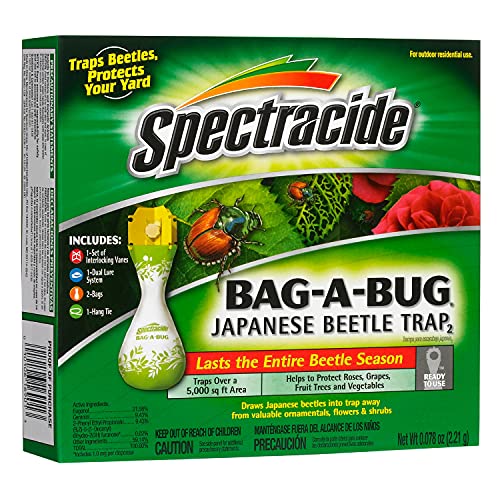
This 2-count option provides coverage for two separate zones or a larger garden periphery. The traps are built to lure beetles from ornamentals and vegetables, with bags designed to trap thousands of beetles and minimize escape risk during removal.
Catchmaster 3-Pack Outdoor Traps

Catchmaster’s Trap 3PK combines a dual lure system with a sturdy lid to fend off rain moisture and prolong bag life. With a recommended 5,000+ square feet coverage, these traps aim to pull beetles away from valuable plants, keeping gardens healthier through peak feeding periods.
RESCUE! Reusable Bag Traps
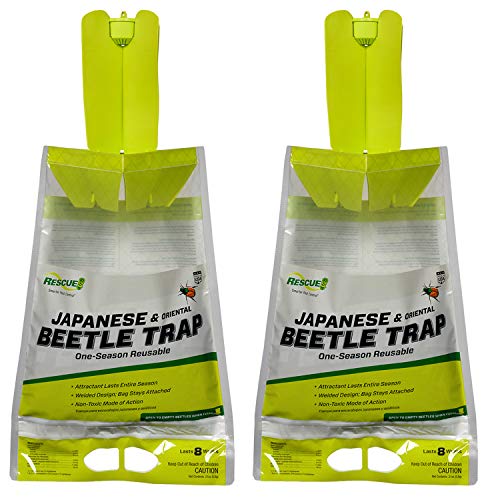
RESCUE!’s traps emphasize reuse and long-term value, featuring a resealable bag and a season-long attractant cartridge. The two-trap set is designed for repeated use across multiple growing seasons, reducing the need for frequent replacements while maintaining beetle control in larger gardens.
Buying Guide: Beetle Traps For Gardens
Key considerations when choosing beetle bags include coverage area, lure system, bag design, and ease of use. Large properties benefit from traps with 5,000+ square foot coverage and dual lure systems, which attract both sexes more effectively. Consider the maintenance workflow: disposable bags reduce contact with beetles but require regular replacement, while reusable bags cut ongoing costs but demand cleaning. Weather resistance, installation height, and the presence of a rain lid or weather shield also influence performance. For best results, place traps away from flowering beds to draw beetles from ornamentals toward the traps rather than into valued plants.
Multiple perspectives help homeowners decide between disposable-bag options and reusable designs. Disposable bags offer safer handling and straightforward disposal, which is appealing for gardeners with busy schedules. Reusable bags, paired with long-lasting attractants, provide a more economical solution with reduced ongoing waste. Some kits integrate a dual lure to maximize beetle captures, particularly in gardens with diverse plantings. Always match trap placement to your garden layout, ensuring traps are reachable for seasonal maintenance while positioned to intercept beetle flight paths.
In practice, a combination approach often works best: deploy a couple of high-coverage dual-lure traps to pull beetles from broad areas and supplement with additional traps near high-value ornamentals. Regular monitoring helps you adjust trap placement as beetle activity shifts with the season and weather.
Choosing beetle bags that suit your garden’s size, plant types, and maintenance preferences will support a healthier landscape with fewer beetle incursions. By comparing lure designs, bag configurations, and coverage, you can tailor a trap setup that integrates smoothly into your gardening routine.