Choosing the right electric dehorner can streamline goat care while minimizing stress for the animal. This guide highlights five top options, focusing on temperature control, safety features, ease of use, and durability. The products below are suitable for goats, lambs, and calves, offering fast heating, clean dehorning, and reliable performance in a typical farm or homestead setting.
The table below provides a quick snapshot of the featured dehorners and their key traits. Use it to compare important factors like inner diameter size, material quality, and heating behavior at a glance.
| Product | Brand | Inner Diameter | Key Strengths | Temperature Range (approx.) |
|---|---|---|---|---|
| Rhinehart Electric Goat Dehorner or Calves Dehorner | Rhinehart | 1/2 inch | No blood loss, fast recovery between applications | 900–950°F |
| VET.PLUS Electric Dehorner | VET.PLUS | 0.59″ & 0.71″ tips | Digital display, quick heat up, insulated handle | Above 1140°F |
| Neogen BC698486 Dehorner | Neogen | 5/8 inch | Cast bronze body, quick dehorning, blood-free | Not specified |
| Ideal Instruments BC698485 Dehorner | IDEAL | Standard cattle size | 110V operation, suitable for young cattle | Not specified |
| Proshine Electric Dehorner | Proshine | Standard smaller tips | Rapid heating, digital display, long cord | Over 1140°F |
Rhinehart Electric Goat Dehorner

The Rhinehart dehorner is designed for utility and speed in small- to mid-size operations. It features a 1/2 inch inner diameter, which is well-suited for goat horns in many cases. The unit emphasizes a clean, blood-free approach with steady heat management, avoiding overheating that might injure delicate horn tissue. The device claims fast recovery between applications, reducing downtime between goats and enabling smoother daily routines on the farm.
With a reported temperature range around 900–950 degrees, operators should follow safety guidelines to prevent burns. The ergonomic design helps minimize operator fatigue during repetitive use, an important factor for daily dehorning tasks. While it stresses fast results, attention to animal comfort remains essential, particularly with younger goats or calves that may require gentler handling.
For buyers seeking a dependable, straightforward tool with quick heat response, the Rhinehart model offers a balanced blend of performance and portability. It is best suited for routine dehorning within a farm or veterinary setting where speed and reproducibility are valued.
VET.PLUS Electric Dehorner With Digital Display

The VET.PLUS dehorner brings a digital temperature display and dual burning-tip options, including 0.59″ and 0.71″ inner diameters. The device emphasizes carefully controlled heating, with a higher operating temperature reported (above 1140°F), which can shorten dehorning time when used properly. The stainless steel components—316 stainless for the tubes and 304 stainless for burning tips—provide durability and resistance to heat-related wear. An insulating handle helps reduce user burn risk during prolonged sessions.
Users benefit from quick heat-up, strong build quality, and easy tip changes. The digital display offers precise monitoring to prevent under- or overheating, a crucial feature for goats and lambs with varied horn growth. The inclusion of two tips broadens the range of animals or horn sizes that can be addressed in a single session, making it versatile for mixed herds. Always observe animal handling practices to ensure smooth dehorning with minimal stress.
Overall, the VET.PLUS model is appropriate for keepers who want a high-temperature tool, reliable digital feedback, and practical accessories that expand applicability to different species and horn sizes.
Neogen BC698486 Dehorner

The Neogen BC698486 is described as a cast bronze electric dehorner intended for small calves and goats, with a 5/8″ inner diameter. Its design emphasizes a bloodless, rapid dehorning process, typically completed in a few seconds. Bronze construction implies durability in cooling cycles and reliable conductivity, contributing to long-term tool life on busy farms. The product targets small ruminants, ensuring a cleaner procedure that reduces post-dehorning complications when used correctly.
This option may suit operations prioritizing minimal tissue damage and swift turnaround between animals. Careful handling and proper restraint remain essential to maximize safety and animal welfare. The availability of a robust, low-blood-loss option makes Neogen a traditional choice for clinics and farms with regular dehorning schedules.
In selecting a dehorner, factors such as inner diameter compatibility with horn size, ease of use, and durability should guide the decision. The Neogen model is a strong candidate for producers seeking a dependable tool with proven performance in small ruminants.
Ideal Instruments BC698485 Electric Dehorner
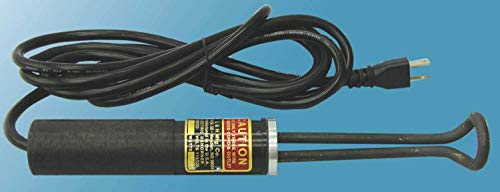
The IDEAL BC698485 model is designed for cattle dehorning and operates on 110 volts, offering compatibility with standard farm power supplies. The device is positioned as a tool that reduces injury to young cattle during dehorning, pointing to careful design considerations for animal welfare. While the product focuses on larger livestock, its electrical compatibility and simple operation can be valuable in mixed-use facilities with more than one species.
Users should evaluate whether cattle-oriented tools are appropriate for their goats, lambs, or calves, given horn size and growth patterns. The IDEAL dehorner provides a balance of power and practicality for farms that require dependable performance with straightforward setup and use. As with all electrified tools, the operator should follow safety protocols to prevent accidental burns or electrical hazards.
Proshine Electric Dehorner

The Proshine dehorner is built for rapid heating and a high temperature range, reporting temperatures exceeding 1140°F. It features a temperature digital display, making monitoring straightforward for precise dehorning. A notable feature is an extra-long 8.2 ft (2.5 m) power cord, which enhances operator reach and safety, especially in larger facilities or outdoor setups. The included insulated bracket aids safe storage and handling when not in use.
With its fast heat-up and clear temperature readouts, Proshine aims to deliver efficient sessions while mitigating the risk of tissue damage from overheating. Operators should combine this tool with proper restraint and restraint devices to maintain animal comfort. The long cord and display support precise control duringBusy dehorning work or clinics that process multiple animals in sequence.
Buying Guide: Key Purchase Considerations
Choosing the right electric dehorner involves weighing several practical factors beyond just price or brand. The following perspectives help buyers balance safety, performance, and animal welfare.
- Horn size compatibility: Inner diameter and tip availability affect which animals you can dehorn effectively. A model offering multiple tips expands versatility across goats, lambs, and calves.
- Heating speed and control: Quick heat-up times save labor, while stable, controllable temperatures reduce tissue damage. Digital displays can improve accuracy and consistency between operators.
- Safety and ergonomics: Insulating handles, durable housings, and secure cords minimize operator risk. Ergonomic design reduces fatigue during busy dehorning sessions.
- Durability and materials: Stainless steel, bronze, and high-temperature resistant components influence longevity in farm conditions. Corrosion resistance is important for long-term use.
- Maintenance and availability of parts: Easy tip changes and replacement parts help maintain uptime. Check if replacement tips and spare parts are readily available from the brand or retailer.
- Electrical requirements: Ensure compatibility with your power supply (120V AC typical in the U.S.). Consider devices with dual voltage options if you work in mixed settings.
- Animal welfare implications: Use the tool according to veterinary guidelines to minimize pain and stress. Combine dehorning with proper restraint and, when appropriate, veterinary oversight.
When evaluating options, align the tool’s capabilities with your herd size, animal age distribution, and facility layout. For smaller farms, a lighter, fast-heat model with a digital display can simplify daily routines. For clinics or larger operations, durability, modular tips, and reliable heat recovery between animals become critical. Always follow manufacturer instructions and local animal welfare regulations to ensure humane handling throughout the procedure.