Choosing the right grass seed for dry, sandy soil can dramatically improve lawn health with less water and maintenance. The following selections are tailored for sun exposure, drought tolerance, and lower fertility environments typical of sandy substrates. Each product highlights resilience in low-moisture conditions, ease of care, and suitability for various sun and shade patterns. Below is a quick summary of five top options, followed by detailed sections and a practical buying guide.
| Product | Brand | Ideal For | Key Benefit |
|---|---|---|---|
| JRK Sandy Soil Grass Seed Mix – 10 lbs | JRK SEED | Sandy, low-moisture areas | Moisture-efficient mix for sun and partial shade |
| JRK 4 Fescue, Low Grow No Mow | JRK SEED | Sandy soils, ground cover, low maintenance | Low mowing, drought-tolerant performance |
| Pennington Kentucky 31 Tall Fescue | Pennington | Durable home lawn in hot summers | Thick blades with strong heat and rain tolerance |
| Pennington Smart Seed Sun and Shade Mix | Pennington | Sun and moderate shade scenarios | Balanced mix with optimized germination and growth |
| Scotts Turf Builder Rapid Grass Sun and Shade Mix | Scotts | Problem areas needing fast establishment | 2X faster growth with fertilizer in mix |
This article focuses on American lawns with dry, sandy soil conditions where water conservation is a priority. The selections below emphasize drought tolerance, soil adaptation, and reasonable maintenance requirements. Each product is assessed for sun exposure, weed resistance, and establishment speed to help you compare options effectively.
JRK Sandy Soil Grass Seed Mix

The JRK Sandy Soil Grass Seed Mix is specifically formulated for sandy substrates with limited moisture. It performs well in full sun and partial shade, reducing maintenance demands. The seed blend emphasizes moisture efficiency and rapid establishment, making it a practical choice for lawns that require drought-conscious care. Fertilize twice a year to support steady growth and root development in challenging soil types.
JRK 4 Fescue Low Grow No Mow
This fescue-based mix is ideal for sandy soils and ground cover with minimal maintenance. It offers good drought tolerance and requires little mowing when fertility and moisture are controlled. Bare ground preparation enhances results, and the blend supports resilience in dry conditions while maintaining an attractive, dense turf.
Pennington Kentucky 31 Tall Fescue

Kentucky 31 Tall Fescue is a long-standing turf option known for durability in home lawns. The tall fescue blades provide a robust appearance, and the variety is tolerant of hot summers and heavy rainfall. This makes it well-suited for sandy soils where root depth and drought resilience are beneficial for maintaining a cohesive lawn with fewer stress signs during dry spells.
Pennington Smart Seed Sun and Shade Mix
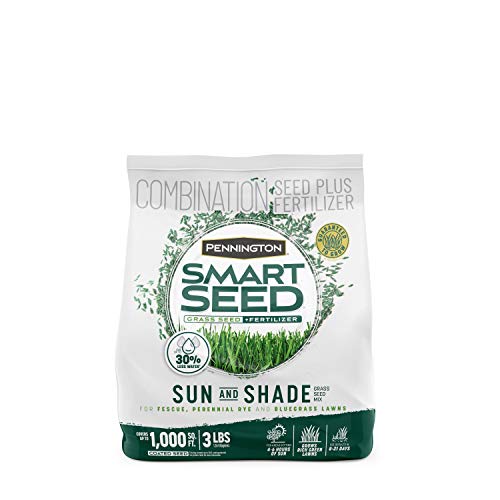
This smart seed blend combines Tall Fescue, Perennial Ryegrass, Kentucky Bluegrass, and Fine Fescue to handle sun and moderate shade. It’s designed for areas that experience sun in some parts and partial shade in others, with enough fertilizer content to support establishment and ongoing health in drier soils. The mix balances drought tolerance with faster establishment compared to some single-species blends.
Scotts Turf Builder Rapid Grass Sun and Shade
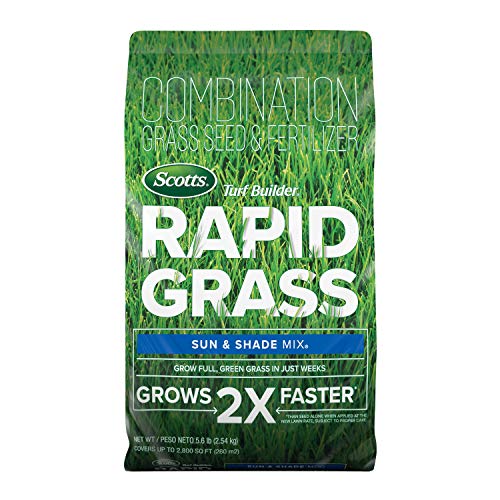
Scotts Turf Builder Rapid Grass Sun & Shade delivers rapid establishment by combining seed with fertilizer and soil improver. It’s designed to thrive in both full sun and dense shade, offering resilience in varied light conditions often found with sandy soils. The product aims to jump-start a healthier lawn in weeks, making it a practical option for improving bare or stressed patches without intensive maintenance.
Jonathan Green Fast Grow Grass Seed

Jonathan Green Fast Grow is a cool-season seed mix designed to quickly fill problem areas and establish a dense, attractive lawn. It germinates in as little as 7-10 days and performs well from full sun to medium shade. For dry sandy soils, this mix provides a rapid turfing option that reduces bare patches and improves overall lawn stability, though it is best used in appropriate seasonal windows for cool-season grasses.
Scotts EZ Seed Patch & Repair

Scotts EZ Seed Patch & Repair combines seed with mulch, fertilizer, tackifier, and a protective layer to help seed stay in place and germinate in challenging conditions, including sun, shade, and slopes. It’s well-suited for repairing bare spots in sandy soil where erosion and moisture loss can hinder germination. This product supports quick patching and a more uniform lawn recovery path.
Buying Guide: Key Purchase Considerations
- Soil compatibility: For dry sandy soil, look for blends specifically labeled for sandy or drought-prone conditions. These mixes emphasize moisture-efficient seed types and root-friendly blends.
- Sun exposure: If your lawn receives full sun, choose heat-tolerant mixes (fescues and tall fescues) that resist heat stress. For partial shade, select sun-and-shade blends with fine fescues or ryegrasses to maintain coverage.
- Establishment speed: If rapid establishment is important, consider products marketed for quick germination or rapid growth. However, quick growth often requires adequate moisture management and fertilization.
- Maintenance expectations: Some blends require mowing, while others are designed for low maintenance. Evaluate your mowing preferences and select accordingly (e.g., low-grow no-mow options vs standard blends).
- Fertilizer content: Blends that include starter fertilizer or soil improvers can help seed establish faster, especially in poorer sandy soils. Balance fertilizer needs with local lawn care guidelines.
- Drought resilience: Prioritize drought-tolerant species like tall fescue and certain fine fescues. These grasses generally cope better with limited water and sandy drainage characteristics.
- Price and coverage: Compare per-pound or per-square-foot coverage to determine value. Higher-density blends may offer better long-term results in challenging soils.
- Preparation: Bare ground or degraded soil often needs preparation—soil aeration, grading, and seeding at the right depth. Prepare the seedbed to improve germination rates and seed-to-soil contact.
- Maintenance plan: For dry seasons, plan a watering schedule that supports seed germination and root establishment. Sandier soils tend to dry out faster, so targeted irrigation is crucial in the first weeks after sowing.
- Seasonality: Cool-season blends germinate best in spring or fall in many parts of the U.S., while warm-season options are better in warmer regions. Align timing with local climate patterns for optimal results.
These guidance points help compare products not just on price or appearance, but on how well they adapt to dry, sandy soil and regional climate differences. When selecting a seed mix, prioritize blends with proven performance in arid or drought-prone settings and those that align with your local sunlight and maintenance preferences.