Zone 6 gardeners face cold winters and varying summers, so selecting trees with reliable cold hardiness, disease resistance, and manageable size is key. Below are five well-suited options drawn from reliable suppliers. They span edible fruit trees, evergreens, and ornamental varieties to support diverse landscape goals—from shade and windbreaks to fresh fruit and color throughout the seasons.
| Tree / Plant | Hardiness / Zone | Notes |
|---|---|---|
| KIEFFER PEAR Tree | Zones 4-9 | Edible pear with broad adaptability. |
| Colorado Blue Spruce Tree Plug Seedlings | Zones 2-7 | Dense evergreen windbreak or privacy screen. |
| 2 Ann Magnolia Trees | Zone 5-9 | Fragrant flowering trees with ornamental appeal. |
| White Cherry Tree Live Plant | Zones 3-7 | Sweet and tart fruit with early-season blossoms. |
| Pakistan Mulberry Trees (2-Pack) | Generally suitable for warmer zones | Fast-growing fruit-bearing starter plants. |
KIEFFER PEAR Tree
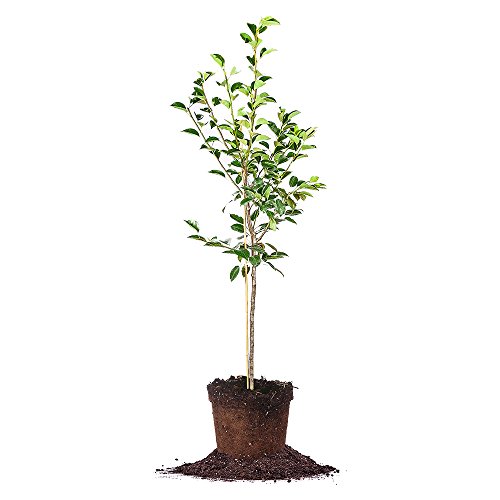
Originating from pear cultivators dating back to the 1870s, the Kieffer Pear is a cross between sand pear and Bartlett varieties. It combines a wide growth range with sweet fruit and a relatively low maintenance profile. The plant is supplied with a special fertilizer and planting guide, enhancing establishment. The tree is suitable for zones 4 through 9, making it versatile for Zone 6 landscapes seeking edible fruit with a classic pear flavor. Proper sun exposure and well-drained soil support fruit quality and annual yields.
Colorado Blue Spruce Tree Plug Seedlings
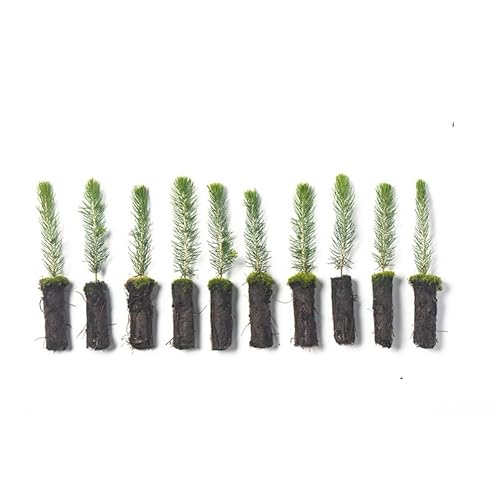
The Colorado Blue Spruce is celebrated for its silvery-blue needles and dense, pyramidal form. Sold as 6-12 inch plugs, these seedlings provide a quick start for windbreaks, privacy screens, or ornamental evergreens. They adapt well to Zone 6 climates when planted in full sun with well-drained soil. This evergreen offers year-round visual interest and provides a durable, natural barrier against wind and noise. Early establishment supports steady growth with a pleasing conical silhouette as it matures.
2 Ann Magnolia Trees

The 2 Ann Magnolia Trees feature fragrant, showy blooms and a strong upright habit. A staple in many landscapes, these trees typically reach 10 to 15 feet tall with an 8 to 10-foot width, adding spring color and year-round structure. They are well-suited for Zone 6 gardens with sun to partial shade and well-drained soil. Magnolia trees provide an elegant focal point and can serve as a neighborhood-sized symbolic presence in residential yards.
White Cherry Tree Live Plant

The White Cherry Tree offers a sturdy, cold-hardy option with fragrant blossoms in early spring and fruit that can be harvested by early summer. This tree is suitable for Zone 6 and nearby zones, thriving in full sun with well-drained soil. White cherries provide attractive seasonal interest, including spring blossoms and edible fruit for fresh eating, baking, or preserves. Proper pruning and pest monitoring support a healthy, productive tree over time.
Pakistan Mulberry Trees (2-Pack)

The Pakistan Mulberry trees arrive as two young plants, 6-8 inches tall, shipped without pots to reduce environmental impact. These fruiting trees are known for fast growth and sweet, juicy mulberries. While their hardiness and best zones are broader, Zone 6 gardeners can successfully establish them with well-drained soil and full sun. They offer an appealing option for edible landscapes and wildlife-friendly gardens, with fruit production typically increasing in subsequent seasons.
Buying Guide: Key Purchase Considerations For Zone 6
- Hardiness and climate compatibility: Choose trees with reliable Zone 6 performance, or broader zones that include Zone 6. Cross-check local winter lows and typical summer highs to balance growth rate with survival likelihood.
- Sun exposure and soil: Most fruiting trees and evergreens prefer full sun (6+ hours) and well-drained soil. In heavier soils, consider soil amendments or raised beds to improve drainage and root health.
- Growth rate and mature size: Plan for landscape space by noting expected height and width at maturity. fast-growing species can quickly fill space but may require more pruning and maintenance.
- Fruit production and maintenance: Edible options like pear and mulberry require pruning, pest management, and sometimes pollinator considerations. Magnolia and cherry varieties contribute seasonal color and fragrance with varying fruit outcomes.
- Root systems and container suitability: Plug seedling options are ideal for quick establishment in the ground, while container-friendly varieties offer flexibility for patios or smaller yards.
- Pest and disease resilience: Select varieties with known resistance or lower susceptibility to common Zone 6 pests and diseases to reduce maintenance and chemical inputs.
- Maintenance and accessibility: Consider pruning access, proximity to structures, and irrigation needs. Mulberry and pear trees benefit from routine pruning to maintain shape and fruit quality.
- Wildlife and ecological value: Evergreen choices provide year-round structure and shelter, while fruiting trees support pollinators and local fauna when planted with complementary species.