Protecting plants from frost, pests, and harsh weather is essential for a thriving garden. Floating row covers offer a lightweight, breathable barrier that can extend your growing season. Below are five top picks that balance coverage, durability, and ease of use for American gardens. Each entry includes a quick look at what makes it stand out and how it suits different gardening needs.
| Product | Brand | Size | Fabric | Why It Stands Out |
|---|---|---|---|---|
| Valibe Plant Covers Freeze Protection 10 ft x 30 ft | Valibe | 10 x 30 ft | 0.9 oz/sq yd polypropylene | Lightweight, large coverage; good for early-season germination and frost protection |
| Valibe Plant Covers Freeze Protection 10 ft x 30 ft (1.5 oz/yd²) | Valibe | 10 x 30 ft | 1.5 oz/sq yd polypropylene | Thicker, stronger warmth retention with similar size |
| FARAER Plant Covers Freeze Protection 7×10 ft | FARAER | 7 x 10 ft | 1.0 oz/sq yd polypropylene | Rectangular, easy to cut; excellent wind and frost protection |
| JUNKOGO Plant Freeze Protection Cover 7×25 ft | JUNKOGO | 7 x 25 ft | 0.9 oz/sq ft non-woven fabric | Wide area coverage with flexibility for different crops |
| KLEWEE Plant Covers Freeze Protection 10 x 50 ft | KLEWEE | 10 x 50 ft | 1.05 oz/yd² polypropylene | Extra large, thicker and UV stabilized for durability |
Valibe 0.9oz Row Cover: Large, Breathable Frost Shield
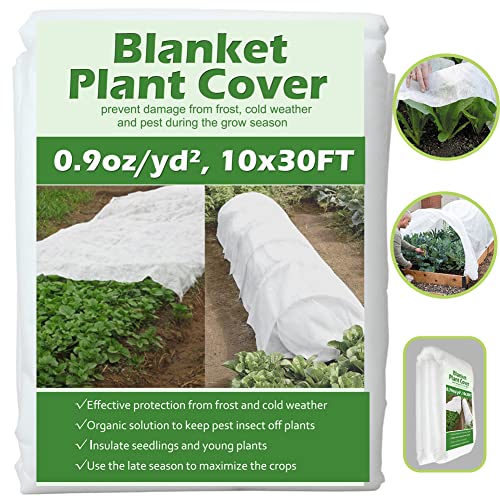
Valibe’s 10×30 ft floating row cover uses lightweight 0.9 oz/sq yd non-woven polypropylene. It is designed to protect vegetables, shrubs, and seedlings from frost while still allowing sunlight and air to reach the plants. The large area makes it suitable for rows, beds, and even small plant groups. Lightweight design ensures easy handling and storage between uses. It is described as suitable for germination support and early-season growth, helping extend the growing season with minimal material weight.
Valibe 1.5oz Row Cover: Extra Warmth For Cold Nights
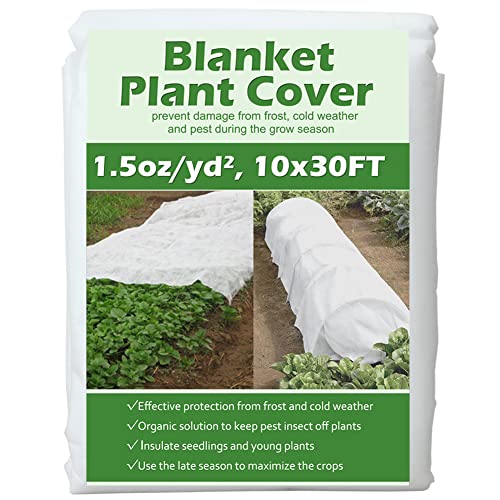
This version uses a thicker 1.5 oz/sq yd non-woven polypropylene fabric for increased warmth and improved wind resistance while maintaining breathability. Its 10×30 ft footprint remains ideal for larger plantings and seedling trays. The product description emphasizes its usefulness for germination and extending the growing season by protecting plants from frost, cold winds, and sun exposure during extreme conditions.
FARAER 7×10 Ft Frost Protection Cover

FARAER offers a compact 7×10 ft floating row cover with a 1.0 oz/sq yd fabric. It’s designed to transmit light while trapping warmth, acting as a windbreak for young transplants. The fabric is thick enough to extend the growing season and protect herbs, perennials, strawberries, and other tender crops through early spring and late fall. It can be cut to fit standard bed widths and stored flat when not in use.
JUNKOGO 7×25 Ft Frost Cloth Cover

JUNKOGO provides a long 7×25 ft frost protection cover made from 0.9 oz/sq ft non-woven material. It shields vegetables, fruit trees, and potted plants from frost, wind, and pests while remaining breathable to prevent overheating. The kit-friendly design supports cutting to fit and can be secured with stakes or weights. It is presented as a reliable option for extending the growing season, especially for larger row setups or raised beds.
KLEWEE 10×50 Ft Frost Blanket

KLEWEE’s 10×50 ft cover is notably larger, ideal for expansive row setups. It uses a 1.05 oz/yd² spun polypropylene fabric, offering extra warmth and tear resistance compared to lighter materials. The fabric is UV stabilized and reusable, with 2% UV protective agents. It can be cut to fit and layered for additional insulation, making it versatile for extending seasons in fall and spring while protecting against frost, snow, and wind.
Buying Guide: Key Considerations And Comparisons
Product selection depends on climate, crop type, and garden layout. Consider these factors when choosing a floating row cover:
- Fabric weight and durability: Lighter fabrics (0.9 oz) are easier to handle but offer less warmth; heavier versions (1.05–1.5 oz) provide better insulation and wind resistance, though they can be less breathable.
- Size and coverage: Larger covers reduce the number of pieces but can be harder to secure; measure beds and rows to pick the right footprint (e.g., 7×10 ft vs 10×50 ft).
- Breathability and light transmission: Most fabrics transmit 70–85% of light; ensure your choice won’t overly shade seedlings or impede growth.
- Durability and reuse: UV-stabilized fabrics last longer and protect against sun damage; thicker fabrics tolerate repeated use.
- Ease of setup: Kits with hoops, clips, and stakes simplify installation and seasonal removal; consider whether you already own legacy hoops.
- Compatibility with crops: For tall or sprawling plants, a larger, flexible cover that can be draped over supports is beneficial.
- Storage and maintenance: Foldable materials store flat; avoid prolonged sun exposure during storage to extend life.
Across these options, intended use matters: early-season germination, extended fall growth, or winter protection for perennials. Larger, thicker covers are ideal for larger plots or more fragile crops, while lighter, easy-to-handle fabrics suit hobby gardens and smaller beds. When evaluating, balance coverage area, ease of installation, and the specific climate risks you face in your region.