The right plants can transform a backyard pond into a thriving, low-maintenance focal point. From floating greenery that helps balance nutrients to rooted species that anchor the edges, a thoughtful plant selection supports water quality, wildlife, and year-round interest. The following picks offer a range of textures, colors, and growth habits suitable for American backyards, helping you filter the water naturally while adding beauty and shade for pond life.
Summary at a glance:
| Product | Brand | Key Benefit |
|---|---|---|
| 5 Live Water Hyacinth Plants | Generic | Floating filtration, rapid coverage |
| Premium Water Lily Lotus Seeds | EcoBioEco | Easy-to-grow lotus-like blooms for ambiance |
| Bulk Pickerel Rush Live Plants | Generic | Vertical interest, natural filtration |
| Pond Guy Planting Soil | The Pond Guy | Robust rooting medium for deep growth |
| Lily Pads (Rainflow) | RAINFLOW | Floating leaves, decorative habitat |
Floating Hyacinths for Quick Water Health

Live water hyacinths are compact, floating aquatic plants that bring quick coverage to pond surfaces. The included package contains five fresh plants with buoyant bulbs and vibrant green leaves ready for immediate pond use. They naturally absorb excess nutrients, helping to regulate algae growth while providing shade for pond fish. These plants require no soil—just place them on the water and let them multiply as conditions allow. They’re an excellent option for rapid surface coverage and natural filtration, especially in warmer, sunlit ponds.
Care considerations include avoiding overcrowding to maintain oxygen exchange and ensuring they aren’t planted in waters with heavy pesticide runoff. In cooler climates, hyacinths may slow growth or die back in winter, but they typically reemerge with the arrival of warmth. For best results, place them in a calm area with gentle current and plenty of light. Regularly monitor water clarity and nutrient levels as the plants establish themselves.
Lotus-Style Seeds For A Serene Water Garden
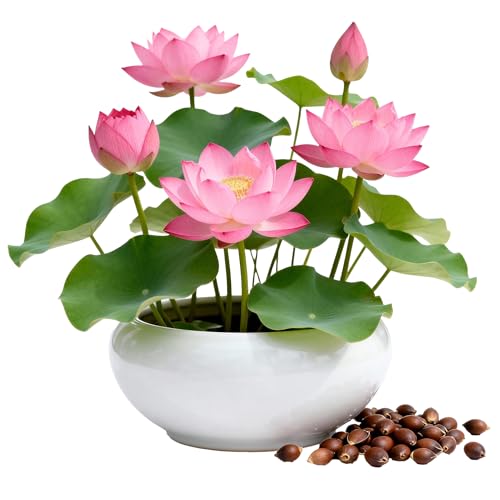
Premium lotus seeds from EcoBioEco offer a versatile option for introducing iconic aquatic blooms to ponds, bowls, or bonsai containers. The set emphasizes a high germination rate and strong viability, helping new plants establish quickly and display blooms as they mature. These seeds are described as ideal for a range of aquatic gardens, from backyard ponds to indoor water features, making them suitable for gardeners seeking both aesthetic appeal and wildlife-friendly habitat.
Growing lotus seeds generally requires patience and consistent moisture. Start seeds in a shallow, well-lit area with warm temperatures, then gradually transition to deeper water as seedlings develop. The resulting plants can provide broad, round leaves and striking flowers, contributing a sense of tranquility and natural beauty to a pond edge or reflective water surface. For best outcomes, maintain balanced nutrition and protect developing roots from disturbance during the early stages.
Pickerel Rush For Vertical Interest And Filtration

Pickerel rush adds vertical drama with purple-blue flower spikes and lance-shaped green leaves, a strong choice for pond edges and water gardens. These mature plants typically reach 2-3 feet in height and spread to create natural filtration and shade, which can help keep water cooler and reduce algae. Planting depth is important: position the crown 2-6 inches below the water surface in containers with heavy garden soil to support stable growth and robust root systems.
When integrating pickerel rush, consider spatial planning to prevent crowding near the shoreline while still delivering the layered visual effect. They provide habitat for pond life and can complement floating plants by offering a textured contrast to broad lily pads. Regular pruning of spent foliage will encourage new growth and maintain an attractive, balanced appearance in the water garden.
Planting Soil For Thriving Aquatic Gardens

The Pond Guy planting soil is a premium aquatic media designed to promote prolific growth and long-lasting flowering for lilies, lotuses, bog plants, and other decorative aquatic species. The loamy composition helps trap oxygen and supports beneficial microbe colonies, while avoiding common pond issues like clouding, floating, or clumping. This soil provides balanced nutrition with a stable base for root systems, contributing to healthier plants over time.
Application tips include preparing a clean bed, avoiding contamination with peat or compost that can cloud water, and using the soil in combination with appropriate containers or planting zones. For best results, layer soil beneath planted specimens to encourage vertical growth and ensure roots have access to nutrients without disrupting surface water clarity. Regularly monitor plant health to adjust feeding or planting depth as needed.
Lily Pad Leaves For A Classic Water Garden Look

The Rainflow six- or eighteen-piece lily pad set offers a naturalistic floating plant option with EVA-made leaves that mimic real lotus pads. These floating leaves add a decorative touch while providing shade and habitat for pond life. The sets come in multiple sizes to fit ponds of various dimensions, and the lightweight, durable design makes them easy to deploy and reposition as the garden evolves.
Floating pads are relatively low maintenance but should be inspected for wear and tear, especially after winter or heavy weather. They work well as accents to live plants and can help minimize algae by shading the water surface. For best results, pair lily pads with rooted marginals or deeper-water species to create layered interest and maintain diverse microhabitats for fish and invertebrates.
Buying Guide: Key Purchase Considerations And Comparisons
- Pond size, depth, and light: Taller, shade-tolerant species like pickerel rush thrive in edges and shallower zones, while floating plants excel in sunlit, open water. Plan a mix that matches depth zones and light exposure.
- Water quality goals: Floating plants (hyacinth, lily pads) help absorb nutrients and reduce algae; rooted plants (pickerel rush, marginals) stabilize shores and provide habitat. Choose a combination to balance filtration and aesthetics.
- Maintenance and growth rate: Fast-growing floating plants can quickly dominate a pond; ensure you have space to manage spread or select species with slower growth if you prefer a long-term balance.
- Climate compatibility: Most listed plants thrive in temperate climates with warm summers. Consider overwintering strategies for colder regions, such as bringing potted plants indoors or selecting hardy varieties.
- Planting methods: Floating plants require minimal setup, while rooted species prefer containers or defined planting beds. The Pond Guy soil supports rooted growth, preventing water clouding, while seeds (lotus) offer a long-term growth path with proper germination care.
- Wildlife suitability: Many pond plants attract pollinators, provide shade, or create habitat for aquatic life. Assess local wildlife goals—whether you want more birds, beneficial insects, or fish shelter—and select plants accordingly.
- Maintenance routine: Regular monitoring of nutrient levels, trimming of dead growth, and occasional feeding help keep plants healthy. Visual variety is also important for year-round interest and water quality.
- Safety and environmental impact: Use pond-safe soil and avoid fertilizers that can cause harmful runoff. Choose non-invasive species or regions where plants won’t outcompete native vegetation if you have natural streams nearby.
In summary, a balanced pond planting plan leverages floating plants for immediate filtration and shade, rooted varieties for vertical structure and nutrient uptake, and specialty options like lotus seeds or decorative pads to tailor aesthetics to your landscape. By combining these selections thoughtfully, you can create a dynamic, healthy, and visually appealing backyard pond that supports wildlife and provides year-round enjoyment.