Finding the right nesting box for ducks involves considering size, materials, drainage, and accessibility for ducklings. The following selections focus on wood and plastic options designed to withstand outdoor conditions, promote dry nesting spaces, and help ensure easy cleaning. Below is a quick buying guide followed by detailed product highlights and a concise comparison table of the five best options for American duck owners.
| Product | Brand | Key Benefit | Best For |
|---|---|---|---|
| Woodlink WD1 Wood Duck Nesting Box | Woodlink | Waterproof cedar, easy-open front | Wetland locations |
| Amcortn Duck House | Amcortn | Ladder-like duckling exit, durable wood | Outdoor ponds |
| 2 Wood Duck Nesting Boxes | Generic | Swing-open design, built-in ladder | Multi-box setups |
| JCS Wildlife Cedar Wood Duck Nesting Box | JCs Wildlife | Predator guard, clean-out door | Waterfront or marsh edges |
| Made in USA Premium Pine Duck House | Applewood Outdoor | High-grade pine, duck-friendly dimensions | Tree-dwelling ducks |
Woodlink WD1 Wood Duck Nesting Box

The Woodlink WD1 nesting box is designed for wetland habitats, using kiln-dried inland red cedar for durability in moisture-prone environments. It features chromate screws and a front with a 4 x 3-inch oval entrance hole for easy access by wood ducks. The design prioritizes weather resistance and a clean-out-friendly front, helping managers maintain sanitary nesting spaces for breeding season.
Amcortn Duck House

The Amcortn duck house is sized at 17x10x10 inches, designed to attract tree-dwelling ducks with a 3×4 inch entrance opening. It includes drainage holes to keep the interior dry and hygienic. Built from quality wood, it’s constructed to withstand outdoor conditions and provides a duckling-friendly environment with a built-in “ladder” feature that helps ducklings exit safely when ready to explore.
2 Wood Duck Nesting Boxes
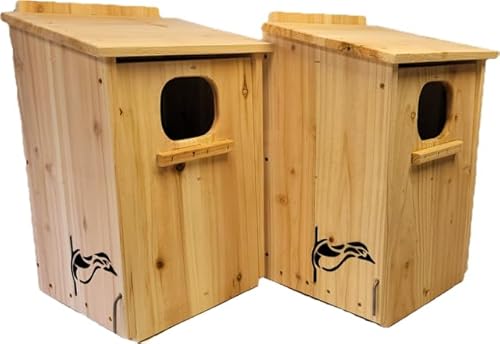
This pair of wood duck nesting boxes uses an easy swing-open design for quick seasonal cleaning. A built-in hardware cloth ladder helps ducklings climb out, while vent holes and a space gap above the front panel ensure proper ventilation and moisture control. The dual-box setup is ideal for doubling nesting capacity in limited space.
Nesting Boxes for Duck-Friendly Use
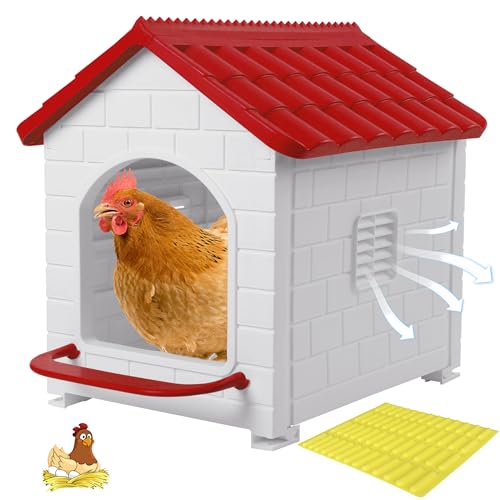
Although marketed as a multi-poultry nesting solution, this plastic single-compartment box offers weatherproofing and ventilation features suitable for ducks and other waterfowl. Its weather resistance and simple maintenance design make it a practical choice for mixed poultry setups where ducks share nesting space with chickens.
JCS Wildlife Cedar Wood Duck Nesting Box

The JCs Wildlife cedar nesting box is built with a predator guard, a 4″ oval entrance hole, and an easy-open clean-out door. Its cedar construction is resilient to weather, and the clean-out feature simplifies seasonal maintenance, supporting a healthy nesting environment along lakes, rivers, or marshes.
Applewood Premium Pine Wood Duck House

This Made in USA duck house uses premium pine wood with a drain-friendly floor and an entrance opening sized 3×4 inches to attract wood ducks and hooded mergansers. It emphasizes natural wooden aesthetics, durability in outdoor conditions, and a built-to-last build with a duckling-friendly exit ladder feature to support young birds leaving the nest safely.
Buying Guide: Key Purchase Considerations
- Material and durability: Cedar offers natural decay resistance and weather protection; pine provides sturdy, affordable options. Choose timber treated for outdoor use or high-quality plastics for easy cleaning.
- Entrances and ventilation: A 3×4 inch or 4 inch oval entrance is common for wood ducks; ensure adequate ventilation to prevent moisture buildup inside the box.
- Drainage and cleanliness: Look for ground-level drainage or a clean-out access door to facilitate seasonal maintenance and hygiene for hatchlings and eggs.
- Duckling accessibility: Features like built-in ladders or gentle exit paths reduce stress on ducklings as they begin to explore outside the nest.
- Placement considerations: Install near wetlands, ponds, or marshy edges away from heavy predators. Elevation and protective cover improve nesting success.
- Maintenance: Easy-open fronts and clean-out doors save time during routine maintenance, ensuring nesting sites remain inviting year after year.
- Number of boxes: In shared habitats, multiple boxes with staggered entrances help reduce nesting competition and protect eggs from predators.
These selections reflect a balance between traditional wooden nesting boxes and more contemporary plastic designs, each tuned for duck behavior, climate resilience, and ease of upkeep. When selecting, consider your local climate, predator presence, and the specific duck species you aim to attract. The right box can improve nesting success, hatchling survival, and overall habitat health for waterfowl in American backyards and managed wetlands alike.