Bermuda grass is a popular choice for hay and pasture in warm climates due to its drought tolerance, rapid growth, and resilience. This guide highlights top Bermuda seed options aimed at hay production and reliable grazing. Each selection includes drought resilience, establishment potential, and suitability for hot southern conditions, helping farmers and ranchers compare options for forage quality and yield.
| Product | Brand | Notes |
|---|---|---|
| Outsidepride Forage Bermuda Seeds | Outsidepride | Early spring growth, multiple cuttings, Yellow Jacket coating |
| Giant Bermuda Grass Seed (Coastal Bermuda Alternative) | Dibbs Farms | Coastal alternative for hay, dense resilient pasture |
| Scotts Turf Builder Grass Seed Bermudagrass with Fertilizer and Soil Improver | Scotts | Drought-tolerant, root-building nutrition, full sun use |
| The Andersons Rio Bermuda Premium Grass Seed | The Andersons | Dark green, fine blade, strong establishment |
| Scotts Turf Builder Rapid Grass Bermudagrass | Scotts | 2x faster growth with fertilizer blend, for overseeding |
Outsidepride Forage Bermuda Seeds

Outsidepride Forage Bermuda Seeds are a perennial option designed for quick spring green-up and multiple harvests. These seeds are drought-tolerant and adaptable to a broad range of climates and soils, making them suitable for hay production in regions with variable rainfall. The Yellow Jacket seed coating enhances germination under limited irrigation, supporting establishment and early forage yield for rotational grazing and haymaking.
Key features include early spring growth, high yield potential, drought tolerance, regional adaptability, and a specialized seed coating that aids germination. Suitable for farmers seeking multiple cuttings every 4–6 weeks, especially in pasture systems that require rapid establishment and dependable forage supply.
Giant Bermuda Grass Seed (Coastal Bermuda Alternative)

The Giant Bermuda Grass Seed from Dibbs Farms offers a coastal Bermuda alternative that is well-suited for hay production in coastal or near-coast regions. It emphasizes a dense, resilient pasture capable of withstanding grazing pressure. This option is designed to establish quickly and create a robust forage stand that supports hay quality and yield in warmer climates with moderate to high temperatures.
Scotts Turf Builder Grass Seed Bermudagrass with Fertilizer and Soil Improver
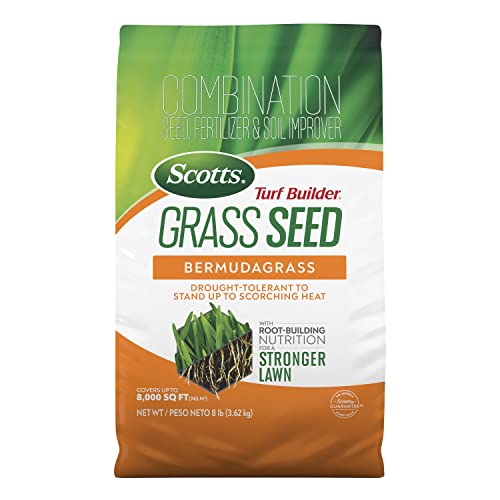
This Scotts blend combines bermudagrass seed with fertilizer and soil improver, delivering drought tolerance and root-building nutrition. It is designed for full sun and high durability, making it suitable for establishing new pastures or overseeding existing fields where hay production is a priority. The combination helps support faster germination and sturdier stands under heat stress.
The Andersons Rio Bermuda Premium Grass Seed

The Andersons Rio Bermuda Premium Grass Seed emphasizes dark green color, fine blade texture, and dense stands. It features a relatively quick establishment window, with germination typically occurring in 7–21 days while maintaining adequate moisture. This option balances appearance, traffic tolerance, cold tolerance, and spring green-up, supporting hay production systems that require reliable establishment in full sun.
Scotts Turf Builder Rapid Grass Bermudagrass

Scotts Turf Builder Rapid Grass Bermudagrass combines seed and fertilizer for accelerated growth, helping establish a full, green lawn faster than seed alone. While marketed for lawn use, its drought tolerance and robust performance in full sun also translate well to large hay and pasture projects where rapid stand establishment and dependable resilience are needed for grazing and hay production.
Buying Guide
Key considerations when selecting Bermuda grass seed for hay include climate and soil type, drought tolerance, establishment rate, forage yield, and grazing management. Consider regional adaptability to ensure the seed thrives in your specific conditions, from coastal plains to inland pastures. For hay production, prioritize seeds with rapid germination and multiple cutting potential, as well as coatings or coatings that improve germination under limited irrigation. For pastures that endure heavy grazing, assess root development, density, and frost tolerance to sustain year-round forage. Seed coatings, disease resistance, and compatibility with rotational grazing practices are additional factors to weigh. Compare product data on germination rates, expected yield windows, and establishment time to align with your hay harvest schedule and workload.