Sulfur sprays are a trusted option for controlling fungal diseases and maintaining soil acidity in a range of garden plants. This guide highlights top sulfur-based products available on Amazon, covering organic options, soil treatments, and foliar sprays. Each selection is evaluated for effectiveness against common issues like rust, powdery mildew, leaf spots, and related problems. Below you’ll find quick comparisons, product details, and practical buying advice to help you choose the right sulfur spray for your specific plants and climate.
| Product | Brand | Form | Use |
|---|---|---|---|
| Sulfur Plant Fungicide MICRONIZED Spray OR DUST | Bonide | Fungicide (spray or dust) | Fungicidal protection for leaves and fruit |
| BONIDE 142 Sulfur Plant Fungicide | Bonide | Powder/Granular (4 lb) | Controls rust, leaf spot, powdery mildew; versatile) |
| Elemental Sulfur For Soil – 90% Purity | GARDENWISE | Powder (soil amendment) | Lower soil pH; soil acidifier |
| True Organic Prilled Sulfur | True Organic | Prilled sulfur | Lower soil pH; supports flowering and fruiting |
| Plant Disease Control Spray – Thyme Oil | FortaGrow | Liquid spray | Natural fungicidal spray; broad disease prevention |
Bonide Sulfur Plant Fungicide MICRONIZED Spray Or Dust

Bonide’s sulfur-based product offers versatility with a micronized formulation suitable for foliar sprays or dust applications. Designed to combat a range of fungal issues, it is commonly used on ornamentals, vegetables, and fruit-bearing plants. The micronized particles improve coverage and adherence on leaf surfaces, helping to suppress rust, powdery mildew, and other common fungal threats. For best results, apply as directed during conditions conducive to fungal growth and repeat as recommended by label instructions.
BONIDE 142 Sulfur Plant Fungicide

This Bonide formulation is a sulfur-based fungicide designed to control a broad spectrum of fungal diseases on fruits, vegetables, and ornamentals. It is approved for organic gardening use on many crops and is effective against rust, leaf spots, and powdery mildew. The product’s multi-crop compatibility makes it a practical option for diverse home gardens, including fruit trees and leafy greens. Follow label directions for dosage and timing to maximize disease suppression while minimizing plant stress.
Elemental Sulfur For Soil – 90% Purity
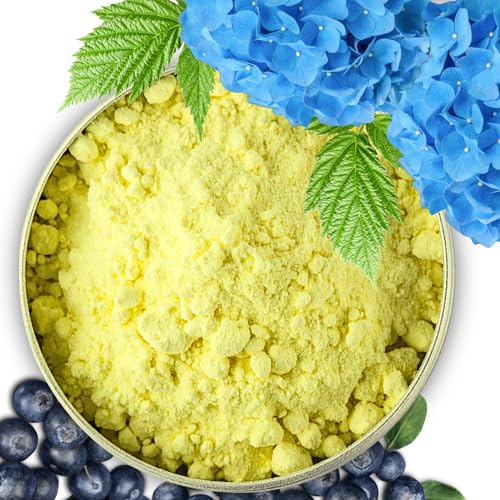
GardenWise Elemental Sulfur is a pure soil amendment designed to acidify soil, which can improve the availability of micronutrients for acid-loving plants such as blueberries, hydrangeas, azaleas, and rhododendrons. This product is particularly useful when growing plants that prefer slightly acidic conditions. It can be applied directly to the soil or dissolved for foliar use in some cases, providing flexibility for different gardening setups. Regular soil testing helps determine the appropriate application rate.
True Organic Prilled Sulfur

True Organic Prilled Sulfur is a granular form designed to lower soil pH and support robust flowering and fruiting. The prilled texture allows for uniform distribution within the soil, ensuring even contact with root zones. This product is particularly suitable for crops that require consistent pH management and improved micronutrient availability. It offers a long-lasting effect, with the potential to improve soil health and plant vigor over time when used as part of an integrated soil-management plan.
FortaGrow Plant Disease Control Spray – Thyme Oil

FortaGrow’s Plant Disease Control Spray uses thyme oil as its active ingredient. This plant-based formulation targets common fungal and bacterial diseases, offering a natural alternative to synthetic fungicides. It provides contact protection, helping to stop disease spread on contact. The product is marketed as safe for indoor and outdoor use, and is described as pet- and family-friendly when used as directed. This option is well-suited for gardeners seeking a natural spray with minimal synthetic inputs while maintaining protective coverage against powdery mildew, botrytis, and related issues.
Buying Guide: Key Purchase Considerations
- Target diseases and plants: Choose a sulfur spray based on the diseases you encounter (powdery mildew, rust, leaf spots) and the types of plants you grow (vegetables, fruits, ornamentals). Some products are formulated for foliar use, others for soil application.
- Form and application: Micronized liquids and ready-to-use sprays offer straightforward foliar protection, while prilled or powdered sulfur works well as a soil amendment for pH control. Consider your gardening setup (containers vs. in-ground, climate) when selecting a form.
- Organic and safety considerations: If you garden with organic goals, verify label approvals for organic farming. Also, check whether the product is safe for households with children and pets and follow all safety guidelines during mixing and application.
- Soil pH management: Elemental sulfur products lower soil pH, which benefits certain plants but can affect others. Soil tests help determine if and how much sulfur you should apply for optimal nutrient availability.
- Frequency and timing: Sulfur treatments are often seasonal, aligning with disease pressure and plant growth stages. Plan applications around weather conditions that favor disease spread and ensure adequate airflow to reduce fungal buildup.
- Compatibility with other products: If you already use copper, lime, or other pesticides, check compatibility charts before mixing. Some products can be used in rotation to reduce resistance and maintain efficacy.
- Environmental impact: Avoid over-application near water sources to prevent runoff. Use the minimum effective rate and adhere to label directions to protect beneficial organisms and the broader ecosystem.
- Long-term soil health: For pH-sensitive crops, combine sulfur use with regular soil monitoring, mulching, and timely watering to maintain soil structure and microbial balance.