Choosing the best material for a greenhouse is essential to ensure a thriving environment for your plants. This guide explores various durable and functional options, including polycarbonate panels, shade cloths, plastic sheeting, and weed barriers, each providing unique benefits from UV protection to weather resistance. Below is a summary table showcasing top products designed to meet different greenhouse needs.
| Product | Material Type | Features |
|---|---|---|
| Hotop Polycarbonate Greenhouse Panels | Double-layer Polycarbonate | Waterproof, UV Protected, Cuttable, Clear Coverage |
| Kesfitt Garden 70% Shade Cloth | HDPE Polyethylene Shade Net | 70% Sunblock, Anti-fading, Reinforced Grommets, Breathable |
| Sinimaka Polycarbonate Twin-wall Panels | Twin-wall Polycarbonate | Impact Resistant, Weatherproof, UV Blocking, High Light Transmission |
| Tapix Plastic Sheeting 6 Mil | Polyethylene Plastic Film | Heavy Duty, UV Protected, Moisture Barrier, Large Coverage |
| TUFFIOM Weed Barrier Fabric | PP Woven Fabric | UV-Resistant, Weed Control, Air and Water Permeable, Eco-friendly |
Hotop 6 Pcs Polycarbonate Greenhouse Panels

The Hotop polycarbonate panels are ideal for those seeking a durable and clear covering for their greenhouses. Made from sturdy polycarbonate material, these panels resist breaking and falling, ensuring long-lasting protection for plants. The double-layer design adds strength and insulation, optimizing the greenhouse environment.
Useful features include the ability to cut the panels to fit various greenhouse shapes, though professional cutters are recommended due to the hardness of the material. The panels offer a bright, transparent cover, enhancing sunlight penetration while maintaining waterproof protection essential for plant health.
Kesfitt Garden 70% Shade Cloth

This 70% shade cloth by Kesfitt is designed for gardeners looking to control sunlight and heat in their greenhouse or outdoor garden. Made from UV-protected HDPE polyethylene, it blocks 70% of sunlight and offers 100% anti-fading properties for extended durability.
The product’s reinforced grommets and strong corner stitching provide enhanced wind and rain resilience. Its breathable mesh structure allows for ventilation, reducing heat buildup and enabling rainwater drainage, making it highly adaptable to extreme weather conditions.
Sinimaka 10 Pack Twin-wall Polycarbonate Panels

The Sinimaka polycarbonate panels offer a twin-wall design that excels in impact resistance and thermal insulation. These panels withstand harsh weather ranging from extreme cold (-40°C) to intense heat (120°C), suitable for year-round greenhouse use.
The high transparency of the panels lets in 89% of natural light while blocking 99.9% of harmful UV rays. Their double-layer construction diffuses sunlight evenly, promoting healthy plant growth by preventing harsh direct sunlight damage.
Tapix Heavy Duty Plastic Sheeting for Greenhouses

Tapix’s polyethylene plastic sheeting provides a flexible solution for greenhouse coverage or temporary plant enclosures. Measuring 10 feet by 25 feet with a 6 mil thickness, it acts as a moisture barrier, protecting plants from harsh weather elements while allowing light penetration.
This plastic film is UV-protected, which helps reduce material degradation over time. Its heavy-duty construction ensures it can withstand wear and tear during projects or seasonal greenhouse set-ups, making it a practical choice for gardeners on a budget.
TUFFIOM Heavy Duty Weed Barrier Fabric
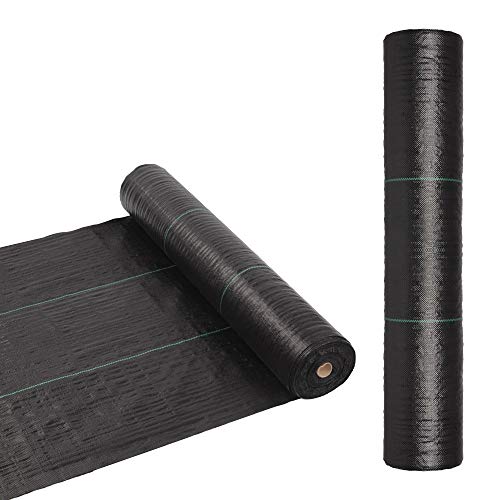
The TUFFIOM weed barrier fabric is an excellent material for greenhouse floors or surrounding beds to prevent weed growth while allowing water and air penetration. Made from heavy-duty polypropylene woven material, it offers durability and substantial weed control.
As an environmentally friendly option, it does not use harmful chemicals and maintains soil moisture retention. The UV-resistance ensures longevity in outdoor conditions, supporting healthy greenhouse plant growth by reducing competition from weeds.
Buying Guide for Greenhouse Materials
Material Durability and Strength
When selecting greenhouse materials, prioritize those that withstand local weather conditions. Polycarbonate panels offer impact resistance against hail and debris, while polyethylene plastics and fabrics vary in thickness and tear resistance. Look for reinforced features like grommets and cross-stitched corners on shade cloths for enhanced durability under wind stress.
Light Transmission and UV Protection
Transparent materials such as polycarbonate panels allow significant natural light, essential for photosynthesis. Double-wall panels diffuse light to avoid plant scorching. Shade cloths vary in sun blockage percentages (40%-70%), so pick based on your plant light needs while ensuring 100% UV protection to prevent harmful exposure.
Ventilation and Weather Adaptability
Proper airflow in greenhouses reduces overheating and humidity buildup. Mesh-style shade cloths and breathable fabrics allow excellent ventilation, making them suitable for hot or rainy climates. Waterproof plastic sheeting may restrict airflow but offers superior moisture protection. Consider your climate and plant requirements when choosing between breathable and waterproof materials.
Customization and Installation
Materials like polycarbonate panels can be cut to fit customized greenhouse shapes but may require professional tools due to hardness. Shade cloths and plastic films typically come in large panels or rolls, allowing easy scaling. Reinforced grommets facilitate secure installation, an important factor for long-term garden setups.
Environmental and Eco-Friendly Considerations
Choosing materials without toxic chemicals that harm soil and plant health benefits your garden ecosystem. Fabrics like the TUFFIOM weed barrier are chemical-free and reusable. UV stabilization prolongs product life, reducing replacement frequency and waste.