Creating a striking red-accent aquascape begins with choosing the right freshwater plants. Red varieties add dramatic depth, contrast, and warmth to any community tank. The selected options below highlight live red plants, plus robust red-root floaters that brighten the surface and invite natural light to reach deeper layers. Each entry includes key features to help you compare growth habits, light needs, and how they fit into mixed-species setups.
| Product | Plant Type | Notes |
|---|---|---|
| Aquarigram 30+ Leaves Red Root Floaters | Red Root Floater | Healthy floating carpet, bonus mystery plant |
| Red Root Floater Live Aquarium Plants, Phyllanthus Fluitans | Red Root Floater | 40+ leaves; needs moderate to high light |
| 6 Red Live Aquarium Plants Bundle | Red/ Purple Stem Plants | Mix of red-toned stems; random selection |
| 30+ Leaves Red Root Floaters | Phyllanthus Fluitans | Red Root Floater | 30+ leaves; includes mystery plant |
| Potted Red Flame Sword | Red Flame Sword | Live potted plant; transitions to red |
Aquarigram 30+ Leaves Red Root Floaters

Overview: A batch of red root floaters designed to deliver 30 or more leaves in each shipment. The plant is well-suited to forming a floating mat that shades the water surface, helping to regulate light penetration for lower-lying stems and roots. A bonus mystery plant adds an extra element of surprise for enthusiasts who enjoy expanding their collection. These floaters can help reduce ammonia and other nutrients by absorbing compounds as part of a balanced aquarium ecosystem.
Care notes: Red root floaters prefer moderate to bright lighting and a gentle water flow. They do best when the water surface is not overly agitated. In higher light, leaves can take on deeper red tones, while still providing beneficial shade and oxygen exchange. Regular trimming keeps the mat from becoming too dense, ensuring adequate light reaches deeper plants.
Red Root Floater Live Aquarium Plants (40+ Leaves)
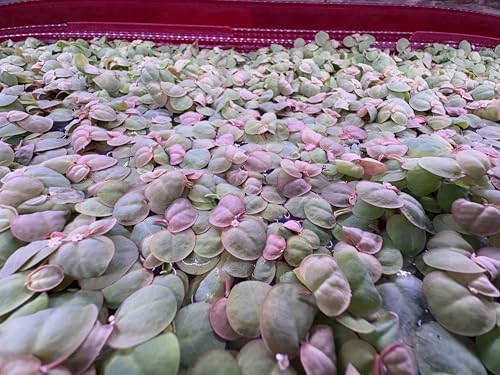
Overview: This 4-ounce cup houses a thriving collection of Red Root Floater leaves, offering a dense display of red-purple undersides against green tops. It creates a striking floating carpet and contributes to a balanced aquarium by absorbing nutrients from the water column. The product supports easy acclimation for beginners and seasoned aquarists alike when provided with sufficient light and gentle water movement.
Care notes: Adequate light is essential to maintain the red coloration. Avoid heavy surface agitation; a calm water surface helps the roots access dissolved nutrients while the leaves capture light for photosynthesis. Growth is typically rapid in well-lit tanks, which may require periodic thinning for continued health.
6 Red Live Aquarium Plants Bundle

Overview: A curated bundle showcasing red-toned stems across multiple species, offering a visually bold red-to-purple palette. The package emphasizes vertical interest and shelter for fry or small invertebrates, while delivering a cohesive red theme. Plants are randomly selected within the bundle, so each box offers a unique combination of red hues and shapes.
Care notes: Provide bright to moderate lighting and stable nutrients for best color expression. Red and purple plants benefit from consistent iron supplementation and balanced fertilizers. High-light setups may accelerate growth but require steady water parameters to preserve plant health and coloration.
30+ Leaves Red Root Floaters | Phyllanthus Fluitans
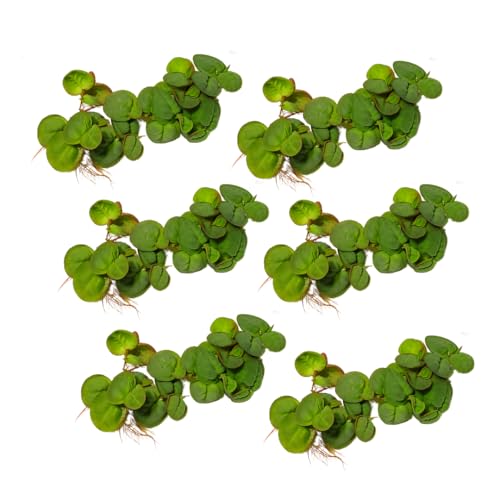
Overview: Another robust Red Root Floater option delivering 30+ leaves with a free mystery bonus plant. The combination supports a strong surface canopy that moderates light intensity for deeper aquatic plants while contributing to a balanced, nutrient-absorbing plant community.
Care notes: As with other floaters, consistent light is key to maintaining red coloration. Avoid excessive surface disruption, since it can hinder photosynthesis at the leaf level. Regular trimming helps keep the floating mat manageable and prevents shading of submerged plants that require light.
Potted Red Flame Sword

Overview: A live potted Red Flame Sword plant, shipped in a 2″ pot and typically reaching 6-8″ upon arrival. The plant starts green with red accenting and gradually develops a vivid red coloration as it acclimates to the aquarium environment. Ideal for tall background areas and mid-to-back plantings in community tanks.
Care notes: This sword plant grows best in nutrient-rich substrates and stable lighting. It prefers moderate to high light and regular fertigation to encourage the red pigment development. Ensure snail-free shipment and acclimation to minimize stress during transition to your tank.
Buying Guide: Key Purchase Considerations
- Lighting and growth: Red plants typically express their color best under moderate to high light. If your tank has low light, opt for varieties that tolerate shade or focus on red-root floaters to maximize color while keeping care simple.
- Growth form and placement: Floating red root floaters provide surface shading and nutrient uptake, while red sword and stem plants add vertical structure. Mix floating and rooted plants to create depth and contrast.
- Water chemistry and nutrients: Red taxa often respond to stable pH, adequate trace minerals, and regular fertilization. Iron-rich substrates or root tabs help rooted red plants; floaters rely on water column nutrients and light.
- Compatibility: Choose species compatible with your fish and invertebrates. Floaters and swords generally suit community tanks, but verify any sensitivity to surface agitation or specific water conditions.
- Maintenance needs: Floating mats require pruning to prevent shading of deeper plants. Potted and rooted plants benefit from occasional substrate replenishment and trimming for shape and vigor.
- Aesthetic goals: Decide whether you want a dense floating coverage, tall vertical accents, or a mix of both to create focal points and color pops throughout the aquarium.
In summary, the selection above covers live red root floaters and rooted red varieties that suit American freshwater tanks with varying lighting setups. Each option contributes color, texture, and ecological benefits, helping aquarists achieve a balanced, vibrant red-themed aquascape.