Choosing the right tow-behind seeder or spreader can simplify overseeding and lawn repair, making even large jobs quick and even. This guide reviews five reliable options from well-known brands that are easy to attach to a tractor or mower and provide consistent coverage. Each entry highlights capacity, ease of use, and build quality to help you pick a model that fits your yard size and material needs.
| Product | Brand | Capacity | Key Benefit |
|---|---|---|---|
| John Deere 130-lb Capacity Tow-behind Lawn Spreader | John Deere | 130 lbs | Durable polyethylene construction with simple manual operation |
| Agri-Fab 45-0288 175 lb Tow-Behind Lawn & Garden Drop Spreader | Agri-Fab | 175 lbs | Large hopper with broad coverage for seeds and fertilizers |
| Agri-Fab 45-0492 44″ Tow-Behind Lawn Sweeper | Agri-Fab | 28 cu. ft bag | Efficient leaf/grass pickup to prepare seedbeds |
| Agri-Fab 45-0320 42″ Tow-Behind Lawn Sweeper | Agri-Fab | 12 cu. ft | Compact width with adjustable brush height |
| Agri-Fab 45-0546 52″ Tow-Behind Lawn Sweeper | Agri-Fab | 26 cu. ft | Wide reach for faster yard cleanup and seedbed prep |
John Deere 130-lb Tow-Behind Spreader

The John Deere spreader features a 130-pound capacity for seed, fertilizer, or ballast, making it suitable for medium to large yards. Its polyethylene construction resists rust and weathering, helping it hold up through repetitive seasons. The design emphasizes straightforward manual operation, allowing homeowners to apply seeds evenly without complicated controls. When paired with compatible seed mixes, this model supports overseeding and repair projects with predictable distribution and minimal maintenance.
Agri-Fab 45-0288 175 lb Drop Spreader
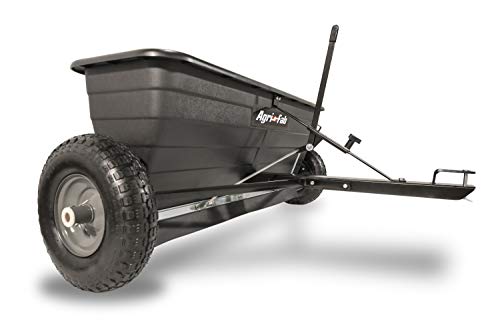
Designed for lawn and garden tasks, this Agri-Fab drop spreader carries up to 175 pounds, suitable for seed, fertilizer, and compatible lawn products. A 40,000-square-foot coverage estimate supports mid- to large-area overseeding projects. The model is built for pulling behind a lawn tractor, and its hopper provides consistent flow to ensure even seed distribution. The American-made construction emphasizes durability and long-term use, making it a practical choice for homeowners with substantial turf repair needs.
Agri-Fab 45-0492 44″ Tow-Behind Lawn Sweeper
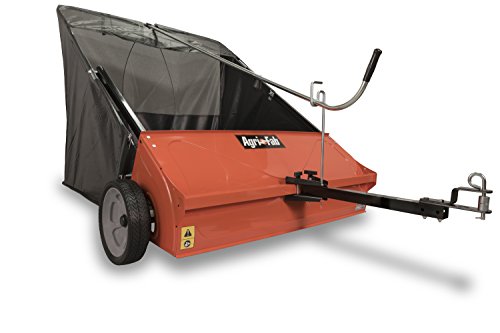
This lawn sweeper helps prepare seedbeds by removing debris and thatch from the soil surface, promoting better seed-to-soil contact. With a 28 cubic-foot flow-through bag, it reduces the frequency of dumps during cleanup. While primarily a debris cleaner, the smoother, cleaner seedbed it creates can improve germination and seed establishment for overseeding projects. The 5:6 brush-to-wheel ratio offers strong pickup efficiency for typical lawn debris.
Agri-Fab 45-0320 42″ Tow-Behind Lawn Sweeper
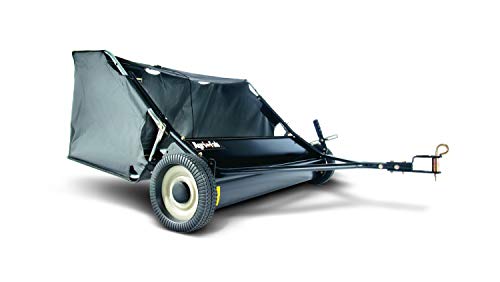
Featuring a 42-inch sweep width, this Agri-Fab sweeper helps clear leaves and grass clippings from seedbeds to improve germination environments. The 12-cubic-foot bag capacity is adequate for moderate cleanup, and the adjustable brush height lets you tailor the pickup depth to avoid disturbing new seeds. Construction emphasizes reliability for regular lawn care cycles and seasonal maintenance tasks.
Agri-Fab 45-0546 52″ Tow-Behind Lawn Sweeper

This 52-inch sweeper delivers wide-area coverage with a 26-cubic-foot hopper, reducing the time spent gathering debris before overseeding. Semi-pneumatic wheels and metal pinion gears provide durability for frequent yard cleanup. The unit’s ability to penetrate and lift grass clippings and small twigs supports efficient seedbed preparation, helping ensure seeds reach the soil more evenly after a clean surface is created.
Buying Guide: Key Considerations For Tow-Behind Seeders And Sweepers
Purpose and yard size: For small yards, a spreader with moderate capacity works well, while larger lawns benefit from higher hopper volumes and broader sweeper widths to reduce reloading frequency.
Material compatibility: Ensure the spreader supports seed types you use (e.g., overseeding blends, fertilizer, or soil amendments). Check that the hopper’s flow is steady and adjustable to avoid run-off or clumping.
Hitch compatibility: Most tow-behind units attach to tractors or riding mowers. Verify compatibility with your machine’s hitch type and weight capacity to prevent strain on the towing vehicle.
Durability and maintenance: Look for durable housings, rust resistance, and simple maintenance routines. Polyethylene bodies resist corrosion, while metal gears should be robust and serviceable.
Ease of use: Features like simple manual controls, adjustable brush heights (for sweepers), and convenient dumping mechanisms reduce the time spent on setup and cleanup.
Coverage and efficiency: Higher capacity and wider sweeps mean fewer refills and faster completion, but weigh this against storage space and transport weight.
Versatility: If you plan to tackle several lawn tasks (dethatching, debris removal, and overseeding), consider owning a mix of spreaders and sweepers to cover different needs in one season.