Transforming a bare flower bed into a vibrant, thriving focal point starts with choosing the right plants. From easy-to-grow mixes that attract pollinators to raised-bed friendly varieties and reliable fertilization, there are options for every climate and sun exposure. This guide highlights five top picks that suit American gardens, along with practical buying considerations to help you select seeds, live plants, or kits that fit your space and maintenance level.
Summary table of chosen products:
| Product | Brand | Key Benefit | Type |
|---|---|---|---|
| LUSH&DEW Cut Flower Seed Bank | LUSH&DEW | 32 heirloom varieties for raised beds; high germination | Seed Bundle |
| Groundio Wildflower Seeds Hummingbird & Butterfly Mix | Groundio | 24 varieties; attracts pollinators; no fillers | Seed Mix |
| Sow Right Seeds Coleus Rainbow Mix | Sow Right Seeds | Vibrant foliage for colorful beds; versatile outdoors | Seed Pack |
| Osmocote Smart-Release Plant Food | Osmocote | Balanced nutrients for steady growth | Fertilizer |
| DIIYIV Raised Garden Bed Kit | DIIYIV | Durable, spacious beds for vegetables and flowers | Garden Bed Kit |
LUSH&DEW Cut Flower Seed Bank
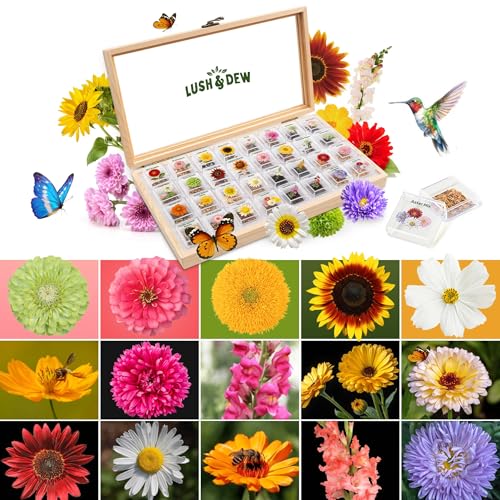
The LUSH&DEW seed bank provides a curated selection of 32 non-GMO varieties, including Zinnia, Sunflower, Cosmos, and more. Packaged in color-printed seed containers, these heirloom seeds are designed to perform well in raised beds and outdoor borders. The compilation supports biodiversity by creating pollinator-friendly habitats and is suitable for USDA zones 3-10. The kit emphasizes high germination rates and an easy planting experience with included gardening guides, making it a practical choice for seasonal color in flower beds.
Key features include: France-grown or USA-sourced non-GMO seeds, a diverse mix that supports pollinators, and suitability for raised garden beds. Gardeners can expect a colorful display across multiple seasons with manageable maintenance, particularly in full sun areas. The emphasis on easy-to-follow guides helps hobbyist gardeners achieve solid germination and robust growth without specialized equipment.
Sow Right Seeds Coleus Rainbow Mix

The Coleus Rainbow Mix is a vibrant foliage-focused seed option ideal for shaded or partially shaded flower beds. Coleus plants display a spectrum of leaf colors—from bright yellows and greens to deep maroons—adding dramatic contrast against flowering borders. This non-GMO heirloom mix tends to thrive in zones 4-10 and grows 18-30 inches tall, with a spread of 8-12 inches. Germination is typically achieved in 10-14 days at warm soil temperatures, making it a fast addition to beds that lack color depth in mid to late bloom seasons.
Key considerations include: choosing a sun exposure that favors coleus (partial shade is often best), spacing recommendations to avoid crowding, and noting that coleus is a short- to mid-season performer that benefits from regular moisture. The Rainbow Mix stands out for eye-catching foliage—an easy way to extend color in a bed beyond flowering plants.
Costa Farms Peace Lily

The Peace Lily is a versatile option for shaded sections of flower beds or adjacent borders, offering elegant white blooms and year-round greenery. While commonly grown indoors, Peace Lilies can be placed in sheltered outdoor beds in mild climates or used near entrances for a refined focal point. Beyond aesthetics, Peace Lilies are known for air-purifying qualities, helping to create a healthier microclimate around the bed area. This plant adapts well to partial shade and consistent watering, making it a reliable accent in mixed borders.
Considerations include: climate suitability, protection from harsh midday sun in hot regions, and ensuring proper drainage. The Peace Lily adds a refined vertical element to bed designs and pairs well with flowering perennials for contrast between pure white blooms and colorful petals.
Scotts Super Bloom Water-Soluble Plant Food
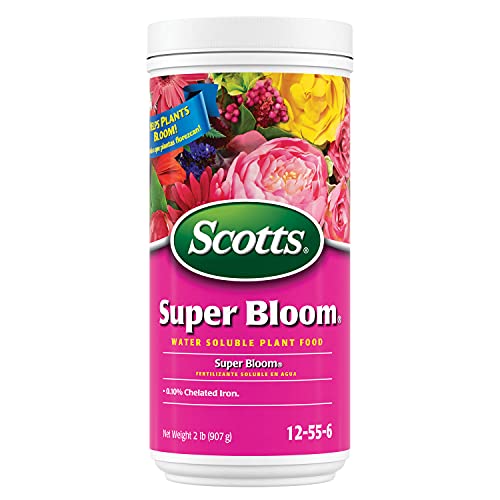
This water-soluble fertilizer delivers a quick nutrient boost with a high phosphorus content (NPK 12-55-6) designed to encourage blooming in outdoor flowers and fruiting plants. The product supports rapid uptake, allowing plants in flower beds to display larger, more robust blossoms with regular applications every 1-2 weeks during peak growth. It’s suitable for use in beds, containers, and garden borders, making it a versatile option for ongoing color in a bed design.
Key factors to keep in mind include density of application, compatibility with other soil amendments, and ensuring even distribution for uniform bloom. For beds that rely on seasonal color, this fertilizer can help maximize flower production during peak growing times.
Ivydale Artificial Plants Monkey Grass

For gardeners seeking a low-maintenance option with consistent color year-round, artificial greenery like Ivydale Monkey Grass provides a no-water, no-fuss alternative. The set includes 10 pieces of white faux monkey grass, designed with UV-resistant plastic to withstand outdoor conditions. While not a living plant, these accents can fill gaps in beds that require structure, texture, or a longer blooming visual until real specimens mature. Leaves are adjustable, simulating a natural look without ongoing care.
Considerations include ensuring placement in sheltered areas to minimize wind damage and using artificial greenery to complement live plants, rather than replacing them entirely. This option is useful for showcasing year-long color in shaded or dry zones where live plant maintenance is challenging.
Groundio Wildflower Seeds Hummingbird & Butterfly Mix

This mix emphasizes pollinator-friendly blooms with 24 varieties spanning annuals and perennials. Groundio highlights a high germination rate and no filler, delivering a seed pack that covers a substantial garden area (roughly 194 square feet) with plants reaching 12 to 48 inches tall. The mixture is designed to germinate in 5-10 days and begin flowering in 35-75 days, making it a strong choice for a dynamic, wildlife-supporting flower bed across several growing seasons.
Key considerations include: matching the mix to sun exposure, preparing soil ahead of sowing, and planning for succession to maintain color. This option is especially appealing for gardeners seeking a naturalistic look with frequent pollinator visits throughout spring and summer.
Buying Guide: Key Purchase Considerations For Flower Bed Plants
When selecting plants for flower beds, consider these factors to optimize success and reduce maintenance over time:
- Growing conditions: Assess sun exposure, soil type, and drainage. Choose varieties that match those conditions for the bed’s location, whether full sun, partial shade, or moisture levels.
- Maintenance level: Seed mixes and perennials may require different care. Seed kits offer seasonal color with ongoing sowing, while live plants or artificial accents provide instant or durable results respectively.
- Bloom time and color: Plan for continuous color across seasons by mixing early, mid, and late-season bloomers. Include foliage accents (like coleus) to extend visual interest when flowers are scarce.
- Pollinator support: If biodiversity is a goal, choose nectar-rich flowers that attract bees, butterflies, and hummingbirds. Groundio’s mix, for instance, is designed with pollinators in mind.
- Soil fertility and feeding: Use a balanced fertilizer like Osmocote to support steady growth, especially in beds with heavy feeding plants. Avoid over-fertilizing to reduce excessive leaf growth at the expense of blooms.
- Durability and climate: For outdoor beds, choose seeds and plants rated for your USDA zone, and consider weather tolerance for heat, cold, and humidity.
- Bed design and spacing: Plan plant heights and spread to prevent crowding. Taller varieties go toward the back or center, with shorter plants in front for visibility and accessibility.
- Water management: Incorporate drip irrigation or consistent but moderate watering, particularly in raised beds where soil can dry slower or faster depending on sun exposure.
- Longevity vs. annuals: Perennials offer long-term structure, while annuals deliver seasonal bursts. A combined approach yields ongoing color with manageable upkeep.
- Aesthetic balance: Mix bloom shapes and leaf textures to create depth. Foliage-focused plants (like coleus) provide contrast even when flowers aren’t at their peak.
By weighing these considerations, homeowners can curate a flower bed that looks vibrant across seasons, supports local pollinators, and aligns with their gardening effort and budget. The included products cover a range of approaches—from seed banks and wildflower mixes to raised bed kits and accent plants—so readers can tailor a plan to their space and taste.