Goats benefit from slow-feeding solutions that mimic natural grazing. The following square bale feeders are designed to reduce waste, protect teeth, and encourage steady consumption. This guide reviews five popular options, highlighting construction, feed openings, and durability to help you choose the right feeder for goats and other ruminants.
| Product | Key Benefit | Opening / Size |
|---|---|---|
| Aoneky Bale Hay Net | Fits square bales and uses knotless netting | 1 inch opening |
| Tough 1 Slow Feed Square Bale Net Black | Simple slow-feeding design for dry lots | Standard square bale opening |
| Hay Chix Hay Nets for Horses | Premium nylon, easy fill, minimizes waste | 1 1/4″ holes |
| Tough 1 Slow Feed Square Bale Net Royal | Durable, arena-ready slow feed | 1.75″ style openings |
| Derby Originals Superior 4-Sided Slow Feeder | 4-sided access for even grazing | 1.75″ square openings |
style=”margin-top: 28px;”> Aoneky Bale Hay Net

The Aoneky Bale Hay Net is designed to accommodate square bales sized at 36x18x18 inches. It uses 3mm black nylon knotless netting with a 1 inch opening to promote slow feeding. The 1.5 inch dimension is noted for average feed, offering a balance between accessibility and regulation of intake. This option is suitable for everyday goat feeding in pens or small pastures.
Key considerations include mesh durability, ease of handling, and how well the net fits typical square bales on your property. Knotless construction reduces wear on teeth and gums while limiting rope fray. For goat users, the 1 inch opening provides steady grazing without allowing rapid gobbling, helping manage digestive comfort and hay waste.
Recommended uses: small to medium flocks in barns or outdoor runs, where a compact, square-bale-compatible net is preferred. Always inspect the netting for signs of wear and replace promptly if fraying appears in high-traffic areas.
style=”margin-top: 28px;”>Tough 1 Slow Feed Square Bale Net Black

From Tough 1, this slow-feeding square bale net offers a practical option for dry lots or arenas. It is specifically noted as not recommended for horses wearing shoes, which is a consideration if you share spaces with larger equines. The design emphasizes controlled consumption to prevent overeating and reduce hay waste, aligning with goat feeding goals in mixed-herd setups.
Considerations include net openness, durability under mechanical stress, and suitability for goat mouths. The square bale format helps with neat storage and consistent bale sizing, while the slow-feed concept discourages rapid consumption. Regular inspection for wear and tear around the knot points is advised to maintain safety for curious goats.
Ideal use scenarios include fenced pens or exercise areas where goatherds want predictable hay usage and less waste. This option pairs well with routine hay audits and can be combined with other hay management practices to optimize digestion and intake for goats.
style=”margin-top: 28px;”>Hay Chix Hay Nets for Horses
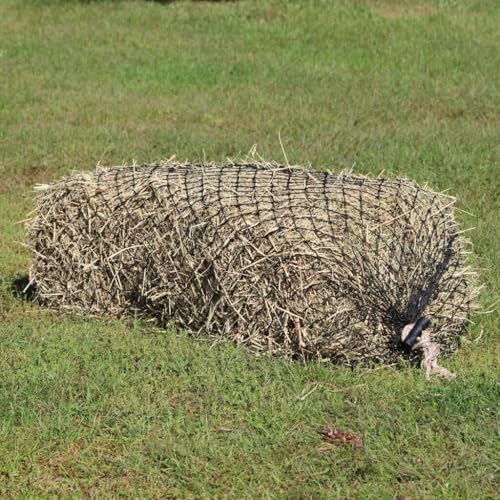
Hay Chix Hay Nets feature a square bale design with 2-string bales up to 70 lbs and 1 1/4 inch holes. Made from UV-treated marine-grade nylon, this net is built for durability and outdoor exposure. It minimizes hay waste by promoting slower grazing, making it suitable for goats that benefit from extended feeding times.
Key considerations include material quality, closure system, and maintenance. The patented closure (Rope & Hoggle) aids in secure filling, reducing distractions during feeding. The mesh size promotes a steady pace of consumption and can be used for goats, sheep, llamas, and alpacas in addition to horses. Durability and ease of cleaning are important for long-term use, especially in sunny, dusty environments.
Usage tips: ensure the netting accommodates the bale size in your storage area, and consider pairing with stall or pen substrates that reduce hay spillage during feeding. Regularly check for sun damage to the nylon and replace if stiffness or tears appear.
style=”margin-top: 28px;”>Derby Originals Superior 4-Sided Slow Feeder

The Derby Originals Superior 4-Sided Slow Feeder uses a patented 4-sided nylon web design to enable feeding from any side, reducing the risk of material rips and tears. With 1.75 inch square openings, it is designed to hold 2-3 flakes of hay in a typical setup. The bottom construction emphasizes durability and dust management, supporting longer bale life in busy goat habitats.
From a purchasing perspective, consider how easily the bag can be stuffed with hay, how resilient the bottom is under ground contact, and how well the 4-sided access distributes feeding pressure. The design is aimed at minimizing waste, promoting even grazing, and supporting gastrointestinal health by preventing gulping and rapid intake. A warranty note provides added assurance for ongoing goat use.
Suitable for pens, runs, and pasture edge setups, this feeder is best for goat herds that require a robust, all-weather feeding solution with straightforward upkeep and reliable performance over time.
style=”margin-top: 28px;”>Buying Guide: Key Purchase Considerations For Goat-Friendly Square Bale Feeders
- Feeder type and bale compatibility: Ensure the feeder is designed for square bales sized similarly to yours (e.g., 36x18x18 inches). Some nets are also compatible with round bales, but square-specific models tend to fit more snugly in fixed pens.
- Mesh size and feeding rate: A smaller opening (around 1 inch to 1.25 inches) slows consumption effectively, reducing hay waste and supporting digestion. Larger openings may reduce the grazing time and waste management benefits.
- Durability and materials: Knotless nylon nets and UV-stable fabrics endure outdoor exposure. Look for reinforced stitching and sturdy borders to withstand chewing and abrasion from goat mouths and rough handling.
- Ease of use and maintenance: Consider filling mechanisms, closure systems, and how easy it is to remove and clean the feeder. Quick-fill closures save time in daily chores and help reduce hay loss during refilling.
- Safety and mouth health: Knotless designs reduce wear on teeth and gums. Avoid excess rough edges or frayed netting that could injure goats during feeding.
- Weather resistance: All-season performance is desirable for outdoor pastures. Materials that resist sun, rain, and cold help extend feeder life with minimal maintenance.
- Multi-animal adoption: Some feeders support goats, sheep, and other livestock, offering flexible usage in mixed herds. Check the product’s stated compatibility to ensure it meets your herd’s needs.
- Warranty and support: A solid warranty can provide peace of mind for long-term investments in herd feeding infrastructure.