Finding the right grass seed for shaded lawns helps you establish a lush, even turf where sunlight is scarce. The selections below emphasize shade tolerance, quick germination, and maintenance efficiency. Each option is designed to thrive under trees, near structures, or in areas with limited sun exposure, so you can enjoy a green, healthy lawn all season long.
| Product | Brand | Shade Adaptation | Germination / Establishment |
|---|---|---|---|
| Jonathan Green (10622) Black Beauty Dense Shade Grass Seed | Jonathan Green | Shade tolerant | 14–21 days |
| Pennington Smart Seed Dense Shade Grass Mix | Pennington | Thick shade tolerance (Tall Fescue & Fine Fescue) | Healthy establishment with contained fertilizer |
| Scotts EZ Seed Patch & Repair Sun and Shade | Scotts | Sun and shade capability; bare spots repair | Expands with seed, fertilizer, mulch, and tackifier |
| Pennington Kentucky 31 Tall Fescue | Pennington | Durable for mixed sun/shade environments | Sturdy establishment in hot summers and rains |
| X-Seed Ultra Premium Shady Lawn | X-Seed | Heavy shade adaptable | All-in-one seed and fertilizer blend |
These selections emphasize shade tolerance, dark green color, and quick establishment. The table above highlights core attributes to help you compare at a glance and choose the best fit for your lawn’s light conditions and maintenance preferences.
Jonathan Green Black Beauty Dense Shade Seed (1 lb)

Features emphasize shade tolerance for areas with limited sunlight. The mix aims to produce a dark green, dense lawn and supports quick establishment. Germination occurs in roughly two to three weeks, making it suitable for mid-season lawn repair and new turf in shaded zones. Endophytes provide potential health benefits to the grass, contributing to robust root systems and turf resilience in cool-season climates.
Pennington Smart Seed Dense Shade Grass Mix (7 lb)
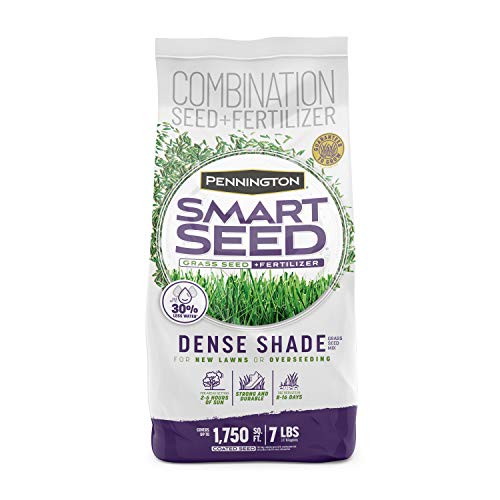
This blend combines Tall Fescue and Fine Fescue to thrive in shady conditions. It helps grow thick, green grass in sun-deprived lawn areas and includes a balanced fertilizer to support successful lawn establishment. Suitable for lawns shaded by trees or structures, it emphasizes resilience against common shade-related growth challenges.
Scotts EZ Seed Patch & Repair Sun and Shade
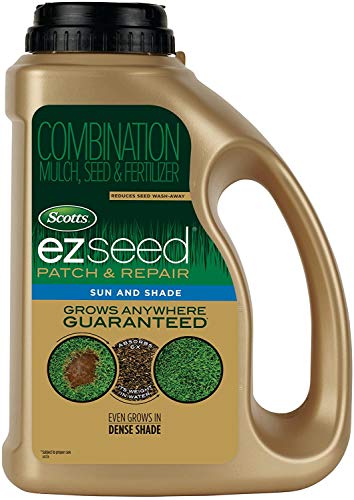
EZ Seed Patch & Repair extends the seed, mulch, and fertilizer concept into a repair solution for bare spots and shade-affected areas. The product includes a tackifier to improve seed retention and protectant to aid seedling safety. It is designed to perform in tough conditions, including full sun and dense shade, and slopes where erosion could occur. This makes it a convenient choice for patching irregular lawn damage.
Pennington Kentucky 31 Tall Fescue (7 lb)

Kentucky 31 Tall Fescue is noted for its durability and economical appeal. It produces thick blades that perform well in hot summers and heavy rainfall, making it a strong choice for lawns that receive variable sun exposure. The tall fescue type tends to establish a deep root system, contributing to drought tolerance and resilience in shade-adjacent zones where grass growth can slow.
X-Seed Ultra Premium Shady Lawn Grass Seed Blend

The Shady Lawn blend combines multiple cool-season grasses to tolerate heavy shade. Its composition includes creeping red fescue, Chewings fescue, perennial ryegrass, and Kentucky bluegrass, aiming for dense coverage with reduced maintenance. It also functions well in poorer soils and supports installation projects that call for less fertilizer and water, aligning with eco-friendly lawn care goals.
Buying Guide: Shade-Friendly Grass Seed Considerations
- Shade tolerance and light availability: Different seed blends handle varying shade levels. Assess whether your lawn receives dappled light under trees or dense shade for most of the day to choose the right mix.
- Germination speed and establishment: Faster germination reduces weed intrusion and speeds up a usable lawn. Look for products with germination windows around 14–21 days.
- Soil and moisture conditions: Some blends perform better in poor soils or drier climates, while others require more moisture. Consider your irrigation capacity and soil type before selecting.
- Maintenance needs: Fescues often require less mowing and fertilizer than more aggressive warm-season mixes. If you want a low-maintenance option, prioritize shade-tolerant fescue-heavy blends or all-in-one seed-and-fertilizer products.
- Repair and patching capability: For lawns with bare or damaged spots, products that include mulch, tackifier, and fertilizer can simplify restoration—especially in shady zones where recovery may be slower.
- Climate compatibility: Cool-season grasses typically perform well in temperate American regions, while warm-season varieties may struggle in shade-heavy zones during winter. Align seed choices with your climate zone.
- Cost and coverage: Larger bags can provide better value per square foot. Estimate your lawn area and compare bag sizes to ensure you select a seed with adequate coverage for shade areas.
- Seed quality and endophytes: Some blends include endophytes that support root health and pest resistance. This can contribute to a sturdier turf in challenging light conditions.