For a lush, healthy lawn, understanding soil chemistry is essential. This guide highlights five high-quality soil test kits that help American homeowners quickly gauge pH, nutrients, and overall soil health. Each option offers clear results, reliable methods, and practical recommendations to support lawn care and landscaping goals. Read on to compare features, usability, and how each kit can inform your fertilization plan.
| Product | Key Benefit | Best For |
|---|---|---|
| MySoil Soil Test Kit | Professional lab accuracy with 13 nutrient measurements | Serious lawn care and mixed lawns |
| Rapitest Soil Test Kit (Luster Leaf) | Fast at-home results with color comparators and LED readout | Quick checks and plant-specific pH guidance |
| NewTest Soil Test Kit | 40 tests across 4 parameters, beginner-friendly | Regular monitoring and learning soil science |
| Pawfly 4 in 1 Soil Test Kit | Four-parameter testing with fast results | Comprehensive lawn and garden monitoring |
| MySoil 2 Pack | Dual kit for broader sampling and quick lab-like results | Multiple areas or seasons |
MySoil Soil Test Kit
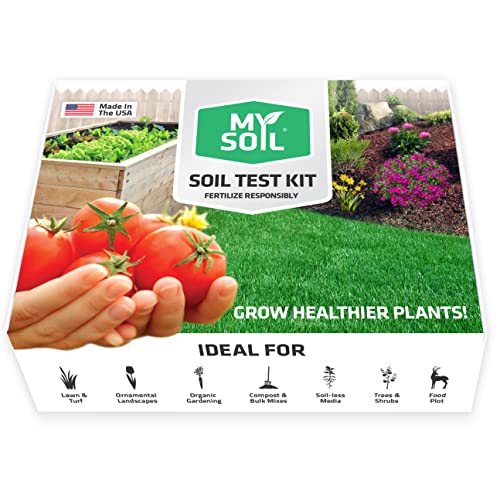
MySoil offers a professional-grade, mail-in lab analysis that measures 13 plant-available nutrients, including Nitrogen and pH. Results typically arrive in 6-8 days, providing tailored recommendations for lawn, turf, and garden scenarios. The kit supports testing diverse soil types and conditions—from lawns to compost and hydroponic setups—making it a strong choice for detailed lawn nutrition planning.
Rapitest Soil Test Kit For Gardens, Lawns, And More
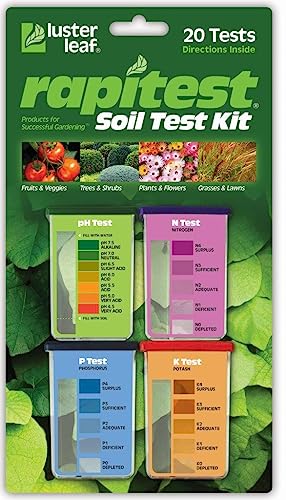
This Luster Leaf kit uses an uncomplicated capsule system with patented color comparators and LED-based results, enabling quick at-home measurements of pH, Nitrogen, Phosphorus, and Potassium. It comes with enough components for multiple tests across several spots, which helps homeowners get a broader sense of soil variability across lawns and beds.
NewTest Soil Test Kit

NewTest provides a 40-test kit across four parameters: pH, Nitrogen, Phosphorus, and Potassium. Designed for beginners and seasoned gardeners alike, it includes step-by-step instructions and enables independent testing up to ten times per parameter. The emphasis is on clarity and actionable results to support lawn nutrition planning without needing lab submission.
Pawfly 4 In 1 Soil Test Kit

Pawfly’s kit targets pH, nitrogen, phosphorus, and potassium with 40 tablets and 20 testing strips for ongoing monitoring. It provides fast, visible results within minutes and covers a wide range of soil conditions typical for lawns, garden beds, and containers. It is designed for regular use to track changes over the growing season.
MySoil Soil Test Kit 2 Pack

This two-pack option doubles sampling capacity for broader lawn assessments or seasonal comparisons. The kit shares the same core strengths as the single MySoil offering, delivering professional-grade lab-like analysis that emphasizes 13 nutrient measurements and practical recommendations to guide lawn and landscape management.
Buying Guide: Key Purchase Considerations And Comparisons
Accuracy and method: Decide between mail-in professional testing (often more precise for 13+ nutrients) and at-home kits (fast, convenient, good for trend tracking). Lab-based analyses typically deliver longer turnaround but richer data; home kits favor quick adjustments.
Parameters tested: If you maintain a lawn, prioritize pH, nitrogen, phosphorus, and potassium. Some kits also report micronutrients or establish specific plant-need guidelines, which can influence fertilizer decisions.
Number of tests: For larger lawns or multiple zones, choose kits with multiple tests per pack or a long run of tests to monitor soil changes across seasons.
Ease of use: Look for clear instructions, color charts, and digital readouts. Simpler kits work well for routine maintenance, while more detailed kits suit or complement lawn-care plans.
Time to results: Laboratorial analyses provide results in days, whereas at-home kits offer same-day or next-day feedback. Consider your timeline for applying amendments.
Cost and value: While price matters, evaluate per-test cost and durability of components, along with the usefulness of the returned data for your lawn plan.
Support and guidance: Some brands offer tailored recommendations based on test results. This can help translate numbers into actionable steps like fertilizer types, application rates, and irrigation tweaks.
Environmental considerations: Choose kits that minimize waste and promote sustainable lawn care through precise nutrient application and better soil understanding.
Overall, the best choice depends on your lawn size, desired depth of data, budget, and how actively you want to manage soil health.