Choosing the right valve is essential for efficient irrigation, reliable zoning, and long-term system durability. This guide reviews five widely used irrigation valves, covering features like flow control, compatibility, durability, and ease of maintenance. Whether you manage a home lawn, a garden, or a larger landscape, these valves address common needs such as precise water delivery, simple servicing, and compatibility with standard irrigation components.
| Product | Brand | Key Benefit | Typical Use |
|---|---|---|---|
| Orbit Sprinkler System 1-Inch NPT Jar Top Valve 57461 | Orbit | Easy servicing; filter scrubber; reliable 24 VAC solenoid | Residential sprinkler zones |
| Hunter PGV 1″ Electric Sprinkler Valve | Hunter | Built-in flow control; robust construction; compatible with 24V timers | Lawn, garden, commercial |
| Drip Irrigation Valves NRWRTY 25PC-1/4″ | NRWRTY | Budget-friendly set; 1/4″ tubing compatibility; durable plastic | Drip irrigation systems |
| Orbit 57250 2-Valve Heavy Duty Preassembled Manifold | Orbit | Multi-zone expansion; preassembled for fast installation | Multi-zone installations |
| Gardrip 5 Pack 1/2 Inch Drip Irrigation Valve | Gardrip | 5 valves; 1/2″ tubing; adjustable flow | 1/2″ drip systems |
Orbit Sprinkler System 1-Inch NPT Jar Top Valve 57461
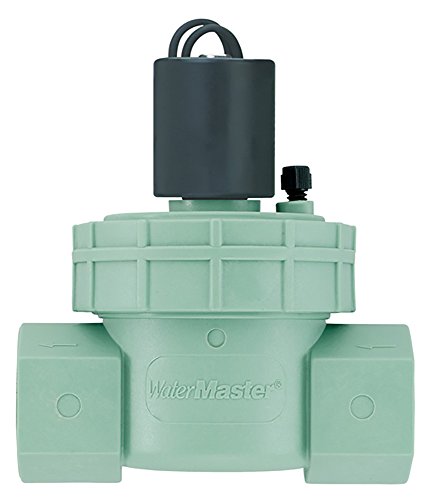
Orbit’s 57461 jar-top valve is a 1-inch NPT valve designed for sprinkler and drip irrigation zones. The 24 VAC solenoid includes manual actuation for troubleshooting or test runs, and a built-in scrubber filter helps keep the diaphragm free from debris. The PVC construction accommodates common 3/4-inch and 1-inch female threaded fittings, making it a versatile choice for standard residential systems. Jar-top lids facilitate straightforward service and diaphragm maintenance, reducing downtime during repairs or cleaning. This valve aims to balance reliability with ease of maintenance in medium-scale irrigation setups.
Hunter PGV 1″ Electric Sprinkler Valve
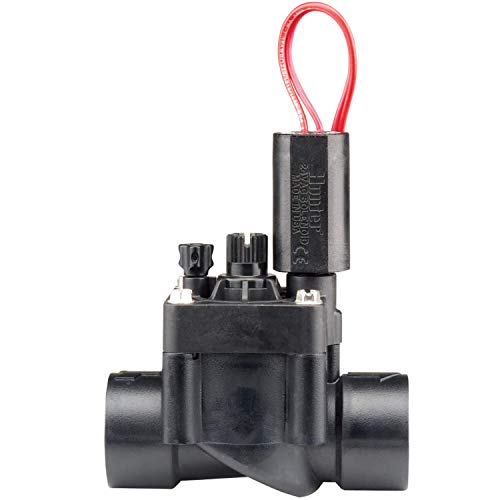
The Hunter PGV valve integrates flow control with a 1″ NPT female threading and a 24V AC electric solenoid. It is designed for precision control across irrigation zones, helping to minimize overwatering and water waste. The valve is built to withstand typical residential and commercial use, making it a dependable option for lawns and gardens. The standard 24V input supports compatibility with many common irrigation timers, enabling smooth automation and zone activation. For installations needing reliable, programmable zone control with robust construction, the PGV line is a widely recommended choice.
Drip Irrigation Valves NRWRTY 25PC-1/4
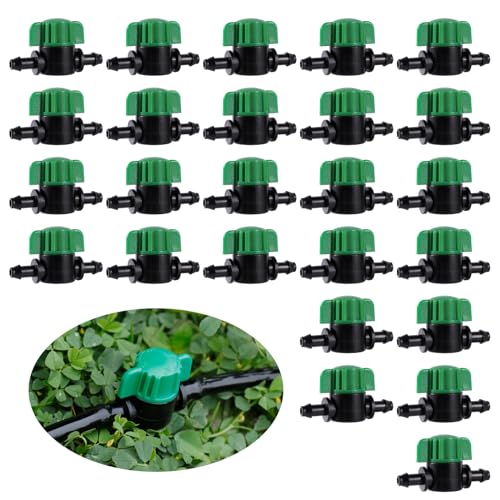
This NRWRTY set contains 25 pieces of 1/4-inch barbed shut-off valves, ideal for drip irrigation tubing. The valves are designed to fit standard 1/4″ drip line tubing and offer straightforward flow control to balance water delivery across plants. Made from durable plastics, they resist rust and provide long-term performance in outdoor environments. The one-piece design emphasizes reliability in tight spaces such as planter beds or container setups, making it a practical option for building or expanding drip systems without complex assembly.
Orbit 57250 2-Valve Heavy Duty Preassembled Manifold

The Orbit 57250 preassembled manifold enables the creation of single or multi-zone valve systems with ease. It features swivel unions that ensure a watertight seal and simplify expansion by adding additional valves or drip filters and pressure regulators. The manifold uses premium L-Series valves with internal bleeds and 24 VAC solenoids, supporting a professional-grade installation. This option suits developers or homeowners planning scalable irrigation layouts, especially when a neat, centralized control point is desired in a valve box.
Gardrip 5 Pack 1/2 Inch Drip Irrigation Valve

The Gardrip five-pack provides 1/2″ inline shut-off valves designed for 1/2″ drip tubing (.570-.620″ ID). The valves offer adjustable flow control, enabling gardeners to slow, regulate, or stop water delivery to individual lines. The one-piece construction emphasizes durability and ease of use, making these valves a practical budget-friendly choice for homeowners upgrading or expanding drip irrigation networks. Their compatibility with standard 1/2″ tubing supports quick integration into existing systems and containers, gardens, or raised-bed installations.
Buying Guide: Key Considerations for Irrigation Valves
- Valve type and flow control: Choose between solenoid-driven irrigation valves for automated systems and manual or inline shut-off valves for simple, low-maintenance setups. Consider built-in flow control features for zone precision and water efficiency.
- Size and threading: Match valve size to your system’s hose or pipe diameter and the threading standard (1/2″, 3/4″, 1″). Ensure compatibility with PVC or hose fittings and existing manifolds for a seamless install.
- Voltage and timer compatibility: Most residential valves use 24V AC solenoids. Confirm compatibility with your irrigation controller or timer to ensure reliable zone activation and scheduling.
- Durability and materials: PVC and high-impact plastics resist weathering, debris exposure, and corrosion. For heavy-use or commercial landscapes, look for robust diaphragms and filters to reduce clogging and maintenance.
- Maintenance and serviceability: Jar-top and similar accessible designs simplify diaphragm replacement and cleaning. Filters and bleed screws improve longevity by enabling easy cleaning and flushing.
- System expansion: If planning future zones, select a modular setup or preassembled manifolds that simplify adding valves without extensive retrofitting.
- Cost vs. value: While 1/4″ drip valves are inexpensive per unit, assess total system cost, including fittings, tubing, and controls. Higher upfront investment in durable valves can reduce maintenance over time.
- Application fit: Drip versus sprinkler valves have different tolerances and flows. Drip valves are optimized for low flow and precise distribution, while sprinkler valves handle higher flow and shorter response times.
In irrigation projects, selecting the right valve hinges on system size, whether you need automated scheduling or manual control, and how easy it is to service and expand. The options above cover a spectrum from compact drip systems to larger, multi-zone installations, providing a practical path toward efficient, scalable watering across lawns, gardens, and landscapes.