Choosing hardy palms for pots means focusing on drought tolerance, cold hardiness, and ease of care. The following selections cover a range of environments—from bright indoor spaces to sheltered outdoor patios. Each option is well-suited to pots and can adapt to varying climates with minimal fuss. Below is a quick overview of the five featured palms and their key traits.
| Product | Brand | Pot/Size | Notable Benefit |
|---|---|---|---|
| Windmill Palm Tree – 4-Inch Pot | American Plant Exchange | 4-Inch | Cold hardy, drought tolerant |
| Ponytail Palm Live Plant – 12-22 Inches | Costa Farms | 12-22 Inches tall | Beginner-friendly, indoor resilience |
| Chamaedorea Elegans Parlor Palm – 4″ Pot | CTS Air Plants | 4-Inch | Low maintenance, air purifying |
| Windmill Palm Tree – 10-Inch with Pot | American Plant Exchange | 10-Inch | Cold hardy, dramatic fronds |
| Parlor Palm Live Plant – 14-18 Inches | Costa Farms | 14-18 Inches | Air purifying, tropical look |
Windmill Palm Tree – 4-Inch Pot
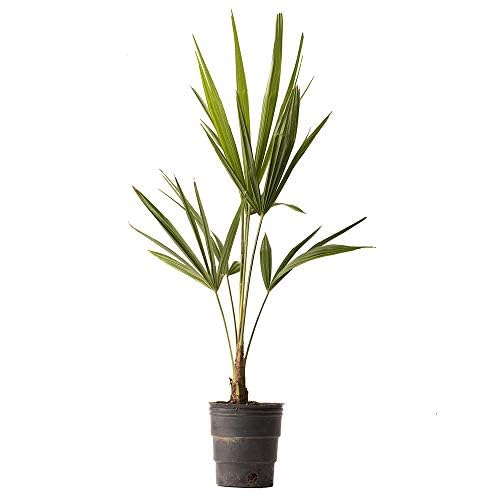
The Windmill Palm from American Plant Exchange is a compact, cold-hardy option ideal for pots on patios or near entryways. Gardeners in USDA zones 7–11 will find it resilient to temperature fluctuations. This palm features classic fan-shaped fronds and requires low to moderate maintenance, making it suitable for beginners and seasoned growers seeking a tropical accent with limited upkeep.
Key features include nursery-grade quality, reliable cold tolerance, and drought resistance. When grown in a pot, ensure sharp drainage and consider a light, well-draining soil mix. During extreme cold spells, provide protection or move container palms indoors if temperatures drop below freezing. Regular watering is recommended to keep soil evenly moist but not waterlogged.
Windmill Palm Tree – 2 Pack of 4” Pots
This 2-pack offers the same Windmill Palm benefits in a versatile, budget-friendly option for growers who want multiple specimens. The palm’s drought tolerance and cold-hardiness in suitable climates make it a strong landscape and container choice. Place the pots in bright, indirect light and protect from freezing temps when used outdoors in colder regions.
Ponytail Palm Live Plant in Decorative Pot

The Ponytail Palm is a striking indoor-friendly palm with a thick, sculptural trunk and a graceful crown of leaves. It thrives with minimal attention, making it a popular beginner plant. In a decorative pot, it serves as a conversation piece and can tolerate variable indoor light conditions. Water sparingly, allowing the soil to dry slightly between waterings to prevent root rot.
Its bold silhouette adds a calm, tropical feel to homes or offices. The plant’s tolerance for neglect makes it suitable for busy environments. For best results, position near a bright window but away from direct sun that could scorch the leaves. Humidity and temperature should be kept consistent to prolong growth and health.
Chamaedorea Elegans Parlor Palm – 4″ Pot

The Parlor Palm is a classic starter palm, widely appreciated for its forgiving nature. It tolerates a range of light levels, from bright indirect light to lower ambient light, with slower growth in dimmer spaces. It’s also known for air-purifying qualities, contributing to a healthier indoor environment. Regular but light watering helps maintain steady moisture without overwatering.
In pots, Parlor Palms benefit from a bright spot with indirect sun. Use a well-draining potting mix and provide adequate drainage to prevent water buildup in the pot. With consistent care, this palm can become a long-lived indoor staple, bringing a touch of tropical elegance to desks, living rooms, and foyers.
Parlor Palm Live Plant – 14-18 Inches

The Costa Farms Parlor Palm in a larger pot provides a lush, tropical focal point for living spaces or offices. Its dense fronds help soften interiors while providing a decorative, evergreen touch. As an indoor air purifier, this palm contributes to a healthier environment when placed in areas with good light and steady temperatures. Water consistently to keep the soil lightly moist, and adjust watering frequency based on the season and indoor humidity levels.
Parlor Palms are known for longevity, often thriving for decades with proper care. To maximize growth, rotate the plant occasionally for even light exposure and trim any yellowed fronds to maintain a tidy appearance. The plant’s elegant, arching fronds make it a versatile addition to shelves, corners, or entryways.
Buying Guide: Key Considerations For Selecting Hardy Palms For Pots
When choosing palms for pots, consider climate, indoor or outdoor placement, pot size, and maintenance demands. The following points compare common options and help readers select the best fit for their space.
- Cold hardiness and climate compatibility: Windmill Palms tolerate cooler temperatures in USDA zones 7–11, while other palms may require protection in freezing weather. Assess local winter conditions and container placement before choosing outdoor options.
- Light requirements: Parlor and Areca Palms generally prefer bright, indirect light indoors but can tolerate moderate shade. Ponytail Palms tolerate lower light indoors but grow more slowly with insufficient light. Outdoor palms may need filtered sunlight in containers to prevent leaf scorch.
- Watering and drainage: Palms in pots require well-draining soil and pots with drainage holes. Overwatering can lead to root rot, especially in indoor settings. Establish a watering routine based on pot size, plant size, and environment.
- Soil and repotting: Use a light, well-draining palm mix or a generic potting mix amended with perlite or sand for improved drainage. Re-pot as roots fill the container, typically every 2–3 years for larger specimens.
- Maintenance and growth habit: Some palms, like the Ponytail Palm, have striking architectural forms and require less frequent care, while others may demand more regular pruning of old fronds to maintain aesthetics.
- Indoor air quality benefits: Several palms, including Parlor Palms, can help filter indoor air pollutants, offering a functional advantage beyond aesthetics.
- Container choices: Choose pots with sufficient depth to accommodate root growth and a stable base to prevent tipping, especially for tall, top-heavy varieties.
In summary, the best palm for your pot often balances climate resilience with maintenance ease. The Windmill Palm offers outdoor robustness; Ponytail and Parlor Palms deliver indoor versatility; and larger Parlor and Windmill options provide dramatic focal points for patios or living spaces. Consider your space, light, and watering routine to select a palm that thrives in a pot and complements your overall landscape or interior design.