Choosing the right potting soil is essential for thriving container vegetable gardens. The following selections are versatile, long-lasting, and tailored for raised beds, containers, and indoor setups. Each product emphasizes nutrient delivery, moisture retention, and plant-friendly formulations to support root development and steady harvests.
| Product | Brand | Highlights |
|---|---|---|
| Burpee Premium Organic Potting Mix | Burpee | All-natural mix with coconut coir; feeds up to 3 months; OMRI Listed |
| Miracle-Gro Potting Mix For Container Plants (16 qt, 2-Pack) | Miracle-Gro | Feeds up to 6 months; easy-to-use, two bags per pack |
| Miracle-Gro Organic Outdoor Potting Mix (16 qt) | Miracle-Gro | Quick-release fertilizer; OMRI Listed; outdoor use |
| Back to the Roots 100% Organic Potting Mix | Back to the Roots | PEAT-FREE; upcycled materials; better moisture control |
| Espoma Organic Raised Bed Mix (1.5 cu ft) | Espoma | Earthworm castings and myco blend; ideal for beds and containers |
Note: The list above focuses on potting mixes suited for vegetables in containers, with consideration for organic options, moisture retention, and ease of use in American home gardens.
Burpee Premium Organic Potting Mix For Containers

Burpee’s organic premium mix combines plant food with coconut coir to support seed and root growth for vegetables, herbs, and flowers. It is OMRI Listed for organic use and is designed for containers or raised beds. The mix feeds plants immediately and provides a slow-release nutrient boost for up to three months, helping maintain steady growth between waterings. Coconut coir helps retain moisture, which is particularly beneficial for potted vegetables that need consistent hydration in warm climates. For container gardens aiming for steady harvests, this mix offers a balanced blend of organic components and sustained nutrition.
Miracle-Gro Potting Mix For Containers (16 qt, 2-Pack)

This Miracle-Gro potting mix is engineered for container plants, including vegetables, flowers, and shrubs. The 2-pack provides two 16-quart bags, sufficient to fill multiple containers such as 12-inch pots. It is designed to feed container plants for up to six months, yielding more blooms and sustained color. Instructions suggest filling containers about one-third with potting mix, placing the plant, and topping off with soil. This product emphasizes ease of use and consistent nourishment for long periods, which is helpful for busy gardeners seeking less frequent feeds and reliable growth in container settings.
Miracle-Gro Organic Outdoor Potting Mix (16 qt)

Designed for outdoor container plants, this Miracle-Gro mix includes a quick-release natural fertilizer and supports feeding for up to two months. The product uses peat sourced from certified producers and is OMRI Listed for organic use. It’s compatible with a wide range of outdoor container plants—from vegetables and herbs to flowers and perennials—making it a versatile choice for balcony gardens, patios, and small raised beds. Gardeners seeking an outdoor-ready mix with straightforward feeding timelines may find this option appealing.
Back to the Roots 100% Organic Potting Mix (12 Quart)
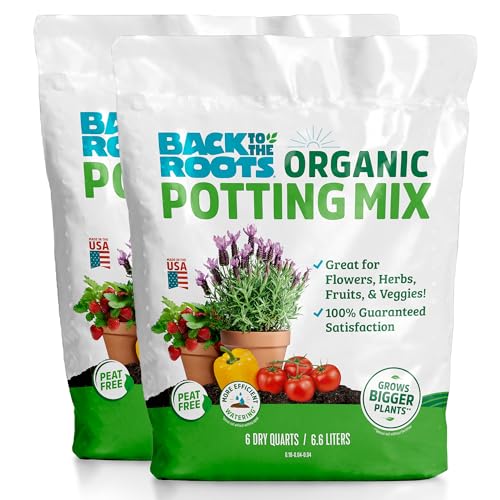
Back to the Roots offers a 100% organic, peat-free potting mix made from upcycled plant matter and wood fines sourced in the United States. The blend emphasizes a lighter carbon footprint while remaining versatile for herbs, vegetables, fruits, and flowers. The mix incorporates yucca extract for moisture control and dolomitic limestone for pH balancing, supporting healthier roots and more stable growth. This option suits gardeners prioritizing sustainability without sacrificing performance in containers and raised beds.
Espoma Organic Raised Bed Mix

Espoma’s Organic Raised Bed Mix is crafted for vegetable gardens in raised beds and large containers. The blend features natural ingredients enriched with earthworm castings, alfalfa meal, kelp meal, and feather meal, plus a Myco-Tone mycorrhizal blend. This combination aims to improve nutrient availability, soil structure, and microbial activity, promoting robust root systems and healthier plants. While marketed for raised beds, its versatility makes it suitable for deep containers that need a premium organic base for vegetable cultivation.
Buying Guide: Key Purchase Considerations
- Container size and drainage: Choose a mix that complements your pot size and ensures drainage to prevent root rot. Larger containers require a soil blend with good aeration and moisture retention without compacting.
- Organic vs. conventional: If you prefer organic gardening, verify OMRI listing and natural fertilizers. Organic mixes tend to emphasize sustainable ingredients but may have slower initial nutrient release.
- Moisture management: Coconut coir and yucca extracts improve moisture retention, helping plants tolerate dry spells. For arid climates, prioritize blends with water-holding components.
- Nutrition and fertilizer timing: Some mixes include slow-release or quick-release fertilizers. Plan your feeding schedule around plant type (vegetables often benefit from steady nutrients).
- pH balance and minerals: pH impacts nutrient uptake. Some blends include limestone or dolomitic limestone to stabilize pH, beneficial for leafy greens and root crops.
- Peat-free options: If you aim to reduce peat usage, consider peat-free blends that use coco coir, composted materials, or upcycled components, such as Back to the Roots.
- Climate and plant type: Outdoor, indoor, and raised-bed applications may require different formulations. For vegetables, pick a blend that supports root development and tidy moisture levels for consistent yields.
- Sustainability and sourcing: Look for blends with responsibly sourced ingredients and minimal environmental impact. Mycorrhizal fungi can improve nutrient uptake, especially in dense container setups.
- Cost and availability: Two-pack or larger bags may offer better value for bulk container gardens. Availability in local stores or online can influence your choice based on shipping and convenience.
Across these options, the best choice depends on container size, climate, and your preference for organic ingredients versus added fertilizers. For consistent results with vegetables in containers, a balanced mix that supports moisture retention, aeration, and steady nutrient supply generally yields the most reliable harvests.