Choosing a reliable water system for plants helps keep greens thriving while freeing you from daily watering chores. This guide compares five highly capable automatic irrigation kits that support a range of pot counts and setups—from compact indoor shelves to larger balcony gardens. Each option emphasizes consistent moisture delivery, simple programming, and flexible power choices to suit different living spaces and schedules.
| Product | Brand | Key Benefit |
|---|---|---|
| Automatic Plant Waterer Indoor Self Watering System for 15 Potted Plants | beday | High-capacity, stable water pressure for 15 pots |
| RAINPOINT Large Display Automatic Plant Waterer | RAINPOINT | Cycle & soak mode; broad programmable range |
| Blumat Classic Self-Watering Stakes | Blumat | Self-watering stakes with siphon technology |
| [2025 Upgraded] Automatic Watering System for 15 Potted Plants | moistenland | Custom schedules; up to 70% water savings |
| Chtoocy Automatic Plant Waterer for 30 Potted Plants | Chtoocy | Dual-pump zones; flexible vacation mode |
Beday Automatic Plant Waterer For 15 Pots

The beday system offers a Butler-grade watering concept designed for hands-off plant care. It provides precise hydration across up to 15 pots, delivering steady pressure to distant pots from the water source. Programmable settings allow you to schedule daily watering, so when you return home you’ll find a thriving green space. This kit emphasizes reliability and ease of setup, making it suitable for homeowners planning trips or busy workweeks.
RAINPOINT Automatic Plant Waterer With Large Display
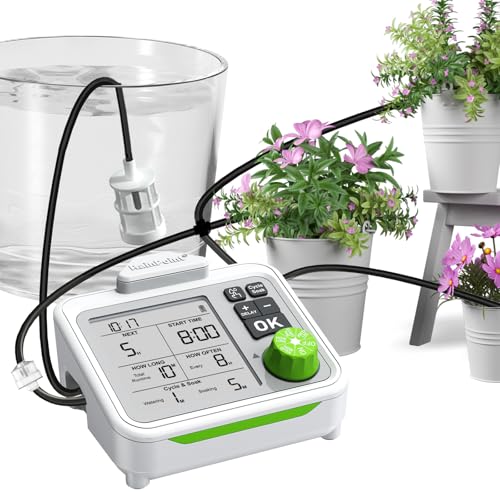
RAINPOINT’s unit features a cycle-and-soak setting that divides irrigation into shorter cycles with soak periods, improving soil saturation and reducing water use. The system supports up to 20 pots and provides an intuitive display for quick programming. It also includes manual and delay watering options, helpful for adapting to changing weather or indoor humidity. This model balances automation with user-friendly controls for diverse plant collections.
Blumat Classic Self-Watering Stakes

Blumat stakes use a siphon-based ceramic cone system to deliver water gradually as soil moisture drops. These stakes are compatible with indoor and outdoor setups and rely on a reliable capillary action to hydrate root zones. They’re ideal for gardeners seeking a low-tech, maintenance-light option that continuously supports plant health without electronics or batteries.
Moistenland 2025 Upgraded Automatic Watering System

Moistenland’s upgraded kit emphasizes customizable schedules and water savings. The system directs water straight to the root zone, reducing waste and helping prevent overwatering. It’s designed to support up to 15 potted plants and includes batteries-compatible power options, so schedules aren’t disrupted by power outages. The flexible timing and flow controls make it a strong option for diverse plant types and busy households.
Chtoocy Dual-Pump Automatic Plant Waterer
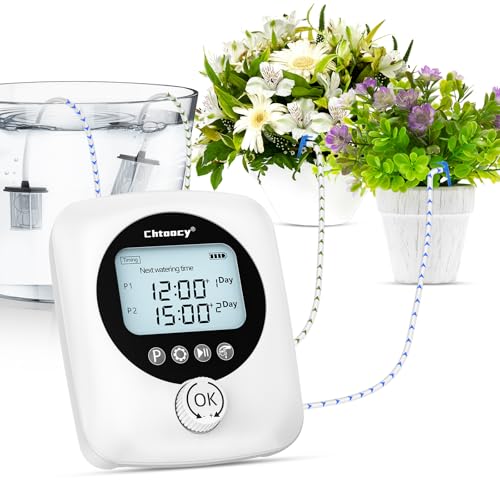
The Chtoocy system uses dual-pump zone control to water up to 30 potted plants, delivering a high flow rate to ensure all plants receive adequate moisture. It offers flexible scheduling, including frequent cycles for delicate plants and longer intervals for drought-tolerant varieties. The device supports vacation watering with programmable start times and frequency, making it a versatile choice for mixed indoor environments.
Buying Guide: What To Consider When Picking an Automatic Plant Watering System
- Pot count and layout: Choose a model that supports the number of pots you have and the spatial arrangement of your plants. Some systems are better suited for a row of pots, while others can manage clusters or multiple shelves.
- Water delivery method: Drip emitters, siphon stakes, and cycle-and-soak modes each suit different soil types and plant needs. Consider soil moisture, drainage, and root depth when selecting.
- Programming flexibility: Look for adjustable start times, watering durations, and frequencies. A system with manual watering and delay options helps respond to seasonal changes and rainy days.
- Power options: Systems vary from USB or Type-C power to battery backup and solar charging. For remote or basement setups, a dual power source can prevent interruptions.
- Water efficiency: Features like cycle-and-soak, targeted root watering, and anti-backflow valves help minimize waste and runoff. If water is scarce, prioritize units with precise control.
- Ease of setup and maintenance: Simple installations with clear instructions save time. Check for included hoses, fittings, filters, and extensions compatible with standard garden setups.
- Indoor vs. outdoor suitability: Some kits are rugged for balcony or greenhouse use, while others excel in climate-controlled interiors. Consider exposure to sun, heat, and rain when choosing.
Across the options, most systems aim to deliver consistent moisture, reduce overwatering risk, and free time for other hobbies or duties. When evaluating trade-offs, balance the number of plants you want to water with the level of automation you’re comfortable managing. For larger collections, a dual-pump or cycle-and-soak configuration may offer the best combination of coverage and efficiency.