Beekeepers face a persistent challenge: protecting hives from Varroa mites while keeping bees healthy and productive. The following selections highlight trusted, science-based options—from thymol-based gels to oxalic acid strips and professional-grade miticides. This guide compares products on effectiveness, usage, and bee safety to help you choose the right approach for your apiary.
Summary of chosen products:
| Product | Brand | Key Benefit | Usage Note |
|---|---|---|---|
| Apiguard — Thymol Gel Treatment | Vita BeeHealth | Plant-based, flexible timing | Apply when supers are off |
| Varroxsan Oxalic Acid Strips — Slow-Release | Vita BeeHealth | Long-lasting mite control | Hang between frames |
| Apivar Strips — Easy-Rip Strips | Foxhound Bee Company | High efficacy with slow-release | Active any season |
| Apivar 2.0 — New Formula Strips | Foxhound Bee Company | Faster drop, reduced chemicals | Langstroth/Dadant adaptors |
| Varroxsan Oxalic Acid Strips — 60 Strips | Vita BeeHealth | Extended control, easy use | Can be stored and deployed as needed |
| Formic Pro — Mann Lake Formic Pro | Formic Pro | Residue-free, natural approach | Extended shelf life |
| Varroa Easy Check Mite Tester | Foxhound Bee Company | Accurate mite counts | Use for monitoring first |
Note: The products listed here focus on medically supported mite control methods suitable for American beekeeping practices. Always follow label directions and local regulations when applying any treatment.
Vita Bee Health Apiguard — Natural Varroa Mite Treatment

Apiguard uses plant-based thymol to deliver a controlled vapor, providing a natural approach to Varroa management. This product is designed for flexible timing—apply when supers are off and without stringent temperature or airflow requirements. The technology enables steady thymol release, aiming to minimize stress on the colony while maintaining mite suppression. The formulation is widely trusted by professional and hobbyist beekeepers for hive health protection during critical periods of the season.
Varroxsan Oxalic Acid Strips — 20 Strips
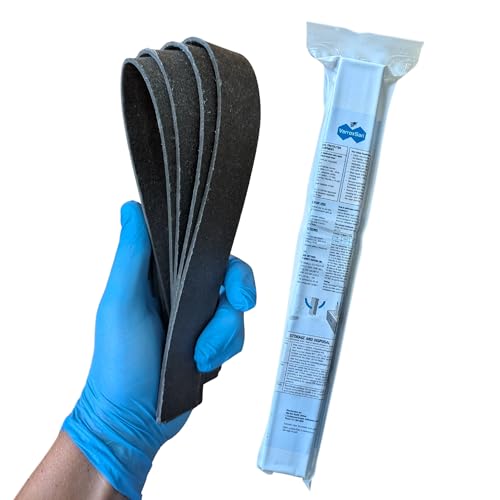
These oxalic acid strips provide a long-term mite control solution, with a simple “hang between frames” placement. Available in multiple pack sizes, Varroxsan strips deliver oxalic acid dihydrate in a matrix that is designed to be bee-friendly and compatible with honey supers and organic beekeeping. Expect a sustained effect over several weeks, reducing mite loads with minimal handling and without mixing.
Apivar Strips Varroa Mite Treatment — 12 Pack

Apivar is a widely used, effective varroa control method featuring slow-release amitraz. It remains a top choice for both backyard and commercial operations. The strips are designed for year-round use when the colony is active, with no specific airflow, temperature, or feeding constraints. Reported mite reductions commonly fall in the high double digits when used correctly, making this a staple in many apiaries.
Apivar® 2.0 New Formula — 4 Packs

The 2.0 version updates Apivar with a redesigned formula to improve speed and efficacy while reducing chemical load. It works across seasons without imposing temperature restrictions, and its pre-cut lines are tailored for Langstroth and Dadant frames, simplifying placement. The result is quicker mite drop and easier integration into routine hive management.
Apivar Strips Varroa Mite Treatment — 60 Pack

A larger supply of Apivar strips supports larger operations or ongoing annual mite management programs. The product maintains the same slow-release amitraz mechanism, with high efficacy and the flexibility to treat multiple colonies without frequent reordering. It is suitable for producers managing many hives or seasonal peak periods when mite pressure is elevated.
Varroa Easy Check Mite Tester

Monitoring mite levels is a critical part of mite management. The Varroa Easy Check tester provides a quick, reliable sampling method with three measuring techniques and a patent-protected design. It helps beekeepers determine when intervention is necessary and track treatment effectiveness over time.
Buying Guide: Key Purchase Considerations
- Effectiveness and mites targeted: Different products target mites in various ways (thermal vapor, slow-release chemical strips, surface-contact formulations). Consider your hive size, mite pressure, and seasonal timing to select the right method.
- Bee safety and brood impact: Some treatments may affect brood or honey production. Oxalic acid strips and thymol-based gels are often chosen for bee-friendly profiles, whereas some amitraz-based products require careful handling and rotation to prevent resistance.
- Ease of use and hive compatibility: Instruments like Apivar strips fit Langstroth and Dadant frames; ease of placement reduces labor and stress on the colony. Check packaging for number of strips and recommended hive counts.
- Seasonality and timing: Flexible timing options help align treatment with honey flow and brood cycles. Some products can be used year-round with minimal constraints, while others require supers to be off or specific weather windows.
- Residue and honey safety: Consider whether a treatment leaves residues in honey or wax. FormicPro and oxalic-acid-based products are designed to minimize residues, though local regulations may vary.
- Storage and shelf life: Extended shelf life and easy storage support flexible planning. Cards or packs that store well reduce waste and ensure readiness for peak mite seasons.
- Monitoring integration: Using mite testers to gauge infestation levels helps optimize treatment timing and measure success. Combine a monitoring program with preventive treatments for best results.
- Resistance management: Rotate between product types when possible to reduce resistance development. Avoid relying on a single treatment method year after year.
For beekeepers seeking a balanced mite-management plan, a combination approach is common: monitor with a mite tester, apply a thymol or oxalic-acid-based treatment during appropriate windows, and rotate products across seasons to maintain effectiveness while safeguarding hive health. Always consult product labels and state or local beekeeping guidance to ensure compliant, safe usage within your apiary.