Sorghum seeds offer a versatile option for home gardens, from syrup production to grain for baking. This guide highlights five high-potential sorghum seed options, covering heirloom varieties, open-pollinated lines, and non-GMO seeds suitable for American gardeners. Each picks emphasizes germination reliability, growth potential, and practical uses in edible syrups, flours, or forage.
| Product | Brand | Seed Count |
|---|---|---|
| Sweet Sorghum Seeds 300pcs | BuggyBeds | 300 seeds |
| Sweet Sugar Cane Sorghum Seeds (500 Seeds) | CZ Grain | 500 seeds |
| Mennonite Sweet Cane Sorghum – 100 Seeds | Thresh Seed Co. | 100 seeds |
| Wheatland Heirloom Sorghum/Milo – 100 Seeds | Thresh Seed Co. | 100 seeds |
| Hale Habitat & Seed Grain Sorghum – 5 lbs | Hale Habitat & Seed | 5 lbs |
Note: Each product features non-GMO or open-pollinated characteristics in line with traditional cultivation. The selections cover various growth habits and end uses, from syrup production to flour-making potential, helping gardeners choose based on climate tolerance and intended harvest outcomes.
Sweet Sorghum Seeds 300pcs
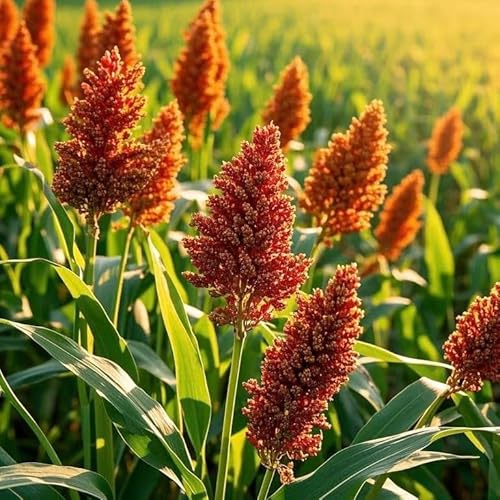
The Sweet Sorghum Seeds from BuggyBeds are described as easy to grow and suited for a range of climates and soils, making them a practical option for both new and experienced gardeners. The 300-seed pack is positioned for high-yield potential, with the seeds marketed as non-GMO to maintain traditional sorghum characteristics. Gardeners can expect sturdy stalks capable of producing sweet harvests with proper spacing and sun exposure. Consider planting in well-drained soil with consistent moisture during emergence to maximize germination rates and stalk development.
Sweet Sugar Cane Sorghum Seeds (500 Seeds)

This CZ Grain offering presents heirloom, open-pollinated sorghum seeds that are Non-GMO. Guidance notes suggest planting into well-drained soil with shallow sowing at about 1/2 inch deep. The description highlights multiple potential uses—syrup, grain, and forage—while acknowledging ornamental value. For gardeners focused on syrup production or edible grain, maintaining open pollination can help preserve traditional traits across generations. Germination typically appears within several days under warm conditions.
Mennonite Sweet Cane Sorghum – 100 Seeds
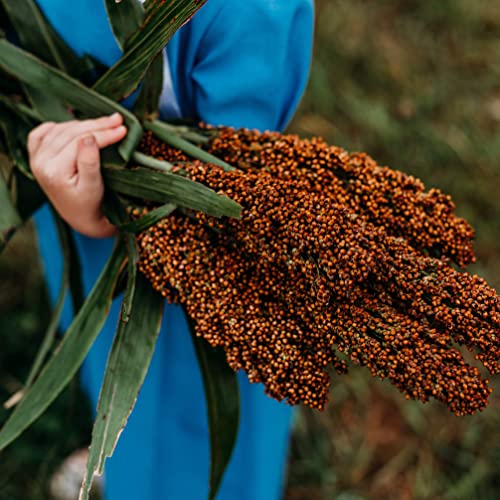
Thresh Seed Co.’s Mennonite Sweet Cane Sorghum is noted for its traditional open-pollinated lineage and tall stalks suitable for syrup production. The 100-seed packet emphasizes heritage cultivation, offering a historical farming perspective alongside modern home gardening. As with other sorghums, harvest timing and stalk maturity influence syrup yield, with a need for careful moisture management and sun exposure to encourage robust stalk development and juice quality.
Wheatland Heirloom Grain Sorghum – 100 Seeds

Wheatland Heirloom Sorghum from Thresh Seed Co. is described as a rare heirloom, open-pollinated option with 100 seeds per packet. The description notes the potential to grind seeds into flour or use them as livestock feed, reflecting dual-use practicality. This variety has historical significance and is aligned with regions where sorghum has traditional relevance, offering a dependable option for gardeners seeking a heritage crop with multiple end-uses.
Hale Habitat & Seed Grain Sorghum Seed, 5 lbs

This 5-pound bag from Hale Habitat & Seed is positioned as certified seed for maximum growth and attractant. With an estimated coverage of about half an acre per bag, it targets larger garden plots or small agricultural setups. The product emphasizes seed quality and germination reliability, making it a practical choice for gardeners planning syrup production or cereal-grade grain. The boxed presentation supports straightforward planting and measurable yield expectations with proper field conditions.
Buying Guide
- Open-pollinated vs. non-GMO: Open-pollinated varieties maintain genetic diversity across generations and are easier to seed-save, while non-GMO seeds avoid genetic modifications for gardeners seeking traditional traits.
- End use considerations: If syrup is the goal, prioritize taller stalks and sugar content; for baking or flour, consider seeds suited to milling and gluten-free applications.
- Climate and soil: Sorghum generally tolerates heat and drought better than many grains, but well-drained soil and consistent moisture support better germination and yield. Choose a variety aligned with your regional climate.
- Planting depth and spacing: Most sorghum seeds germinate in 3–5 days under warm conditions. Plant about 1/2 inch deep in rows with adequate spacing to reduce competition and promote robust stalks.
- Harvest timing: Syrup production depends on juice quality from mature stalks, while grain harvest occurs once seeds reach full maturity. Monitor stalk height, grain hardness, and moisture content to decide optimal harvest windows.
- Seed quantity and planning: For home gardens, start with mid-range seed counts (hundreds) to allow for thinning and replacement, especially in variable weather.
- Storage and longevity: Store seeds in a cool, dry place in labeled containers to maintain germination rates for future seasons.