The right sickle can turn tedious weed pulling into a swift garden task. This guide highlights durable, sharp, and ergonomic options ideal for cutting grass and clearing undergrowth. Each selection balances blade design, handle comfort, and build quality to suit homeowners, hobbyists, and small-scale landscapers. Read on to compare five top-rated sickles and learn how to choose the best tool for your yard work.
Product Overview
| Product | Brand | Blade Type | Handle | Best For |
|---|---|---|---|---|
| YEELOR Weeding Sickle | YEELOR | Double-edged blade (straight and wavy) | Long stainless steel | Lightweight weed removal and root pulling |
| Japanese Weeding Sickle Hoe Nejiri Kama | TOYPOPOR | Carbon steel, sharp edge | Hardwood handle | Root-level cutting and deep weeding |
| KEYI Steel Grass Sickle | KEYI | Hard steel blade | Wooden handle | Multi-use grass and weed cutting |
| Japanese Weeding Steel Grass Sickle | 豊稔光山作 | Japanese steel | Not specified | Premium Japanese craftsmanship |
| TOYPOPOR Carbon Steel Grass Sickle | TOYPOPOR | Carbon steel blade | Wooden handle | Slim, durable digging and mowing |
YEELOR Weeding Sickle: Dual-Edge Long-Handle
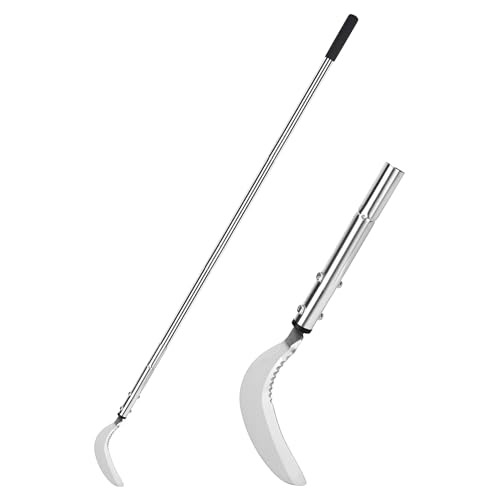
YEELOR’s weeding sickle combines a high-strength stainless steel handle with a double-edged blade. The straight edge excels at soft grasses, while the wavy edge handles tougher vegetation. The long, sturdy design reduces arm fatigue, and the blade tips enable pulling weeds from the roots. Available in multiple lengths, this tool emphasizes durability and straightforward maintenance, making it suitable for prolonged garden tasks and routine weed management.
TOYPOPOR Nejiri Kama Weeding Sickle

The Nejiri Kama design places the blade close to the ground, enabling precise root-level cuts. Constructed from high-carbon steel, the blade keeps a sharp edge with regular maintenance. The wooden handle provides a secure grip, and the blade shape supports shaving soil and uprooting weeds without excessive bending. This tool is favored for detailed ground work and clean weed removal in beds and borders.
KEYI Steel Grass Sickle

KEYI’s Weeding Sickle emphasizes versatility with a durable steel blade and a wooden handle. The blade’s sharpened edge delivers strong cutting power for grass, vines, weeds, and edging tasks. Its ergonomic, lightweight design helps reduce hand and wrist strain during longer sessions, making it a practical option for regular garden maintenance and multi-purpose yard work.
Japanese Weeding Steel Grass Sickle

Made in Japan, this weeding tool blends traditional craftsmanship with modern steel quality. The blade uses high-quality Japanese steel for sharp, efficient cutting. The tool pairs heritage with performance, appealing to users who value precision and long-term edge retention for garden beds and border maintenance.
Z & G Billhook Sickle Garden Tool

This billhook-style sickle offers a robust blade designed for brush clearing and light tree pruning. Its heavy-duty construction makes it suitable for cutting thicker weed stems and light undergrowth. The tool combines a practical size with a powerful blade, making it a strong choice for yard cleanup and seasonal clearing tasks.
TOYPOPOR Carbon Steel Grass Sickle

This 15-inch sickle features a carbon steel blade with a wooden handle, designed for durable cutting of soft weeds and light vegetation. The crescent-shaped edge provides a slim profile ideal for narrow borders and raised beds. Regular cleaning and oiling help prevent rust and maintain edge performance over time.
Buying Guide: Key Purchase Considerations
Selecting the right sickle involves weighing blade design, leverage, and durability against your yard’s needs. Consider these factors to match your tasks with the best tool:
- Blade design: Double-edged or curved blades excel at different tasks. Straight edges cut soft grasses cleanly, while curved or wavy edges tackle tougher weeds and root pulling more efficiently.
- Blade material: Carbon steel offers sharpness and edge retention but requires maintenance to prevent rust. Stainless steel resists corrosion but may dull more quickly in heavy use.
- Handle ergonomics: Long handles reduce back strain, especially for ground-level weeding. Look for wooden or fiberglass grips with balanced weight for comfort.
- Weight and leverage: Lighter tools minimize fatigue, but some tasks benefit from heavier blades for deeper cuts. Choose a weight you can control with steady wrists and elbows.
- Maintenance needs: Keep blades sharp with a sharpening stone and oil blades after use to prevent rust. Dry thoroughly after wet work to extend life.
- Safety and storage: Keep blades covered or sheathed when not in use. Store in a dry area to protect the blade edge and longevity.
- Intended tasks: For beds and borders, prioritize precision and edge control. For heavy brush, a billhook-style tool provides more power.
Across the selections, users can expect tools that address a range of weeding scenarios—from light lawn edging to root-level weed removal. Durability, edge retention, and ease of use are consistent themes, with several models offering specialized ground-level or stand-up operation to reduce bending and fatigue.