Tomatoes thrive with the right spectrum, duration, and intensity of light. This article highlights five popular indoor lighting options designed to support tomato growth from seedlings to fruiting. Each product section includes setup benefits, spectrum features, and timer controls to fit busy schedules and varying growing stages. A practical buying guide follows to help you compare performance, energy use, and ease of use.
| Product | Brand | Key Spectrum | Timer | Dim Levels |
|---|---|---|---|---|
| LEOTER Grow Light | LEOTER | Full Spectrum + Red/Blue | 3H/9H/12H | 10 |
| LBW Grow Light | LBW | 214 LEDs: Cold White, Warm White, Red | 4H/8H/12H | 6 |
| GooingTop LED Grow Light | GooingTop | 6000K White with Red | 4/8/12H | 5 |
| LORDEM Grow Light | LORDEM | Full Spectrum 380-800nm | 4/8/12H | 4 |
| LBW Latest Grow Light | LBW | 214 LEDs, Full Spectrum | 3/6/12H | 6 |
Summary: The featured lights emphasize full-spectrum output that mimics natural sunlight, adjustable timer options for automatic operation, and multiple brightness or spectrum modes. Users growing tomatoes indoors often prefer full-spectrum or a mix of red and blue wavelengths to support vegetative growth and fruiting. All five selections offer reliable mounting or stands, with various heights and angles to accommodate different growing spaces.
LEOTER Grow Light for Indoor Plants
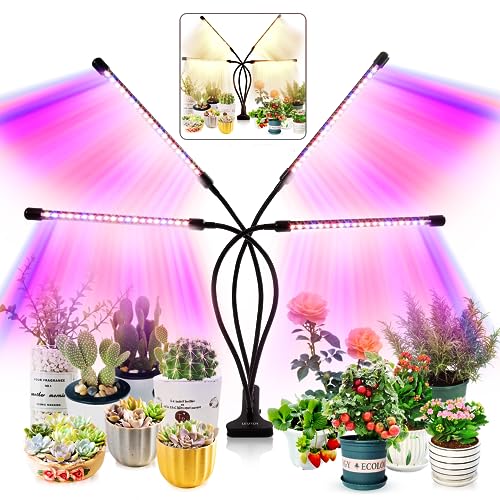
LEOTER’s upgrade features 80 LEDs arranged for 380nm-800nm full spectrum plus dedicated red and blue channels. This combination supports seedling rooting, vegetative growth, and fruiting stages. The circular memory timer allows automatic on/off cycles—3 hours (blue), 9 hours (green), or 12 hours (red)—facilitating consistent daily light exposure. A 10-dimming level system lets growers tailor intensity to plant stage and pot size. The gooseneck design offers flexible positioning to optimize coverage for tomato plants in small spaces.
Why it matters for tomatoes: Full spectrum plus targeted red/blue light accelerates photosynthesis and flowering. The timer helps busy growers maintain a steady photoperiod, while adjustable brightness reduces waste energy when plants are small. Consider mounting height to avoid heat concentration on young leaves and to ensure even canopy coverage as tomato vines expand.
LBW Grow Lights for Indoor Plants Full Spectrum

LBW’s stand-mounted design uses 214 LED chips across cold white, warm white, red, and natural light LEDs to simulate natural sunlight. With high PPFD data, the light supports efficient photosynthesis for tomatoes at all stages. The built-in 4/8/12-hour timer schedules daily lighting automatically, while six brightness levels enable precise control over light intensity. The stand with adjustable height contributes to long-term versatility as tomato plants grow taller or spread their canopy across a shelf or table.
Considerations for tomatoes: The mix of whites and reds helps maintain a balanced spectrum for both vegetative growth and fruit set. The tall stand design can be advantageous for larger tomato plants; however, ensure the stand is stable on the surface you use. Energy use remains a factor, so selecting the right timer and brightness level helps optimize daily consumption without compromising growth.
GooingTop LED Grow Light
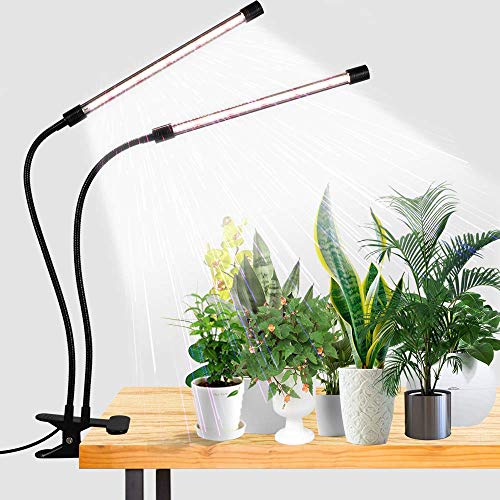
GooingTop’s clip-style grow light features 6000K white LEDs with a supplementary set of red LEDs. The color temperature and high color rendering index (near 95) make it suitable for indoor garden tasks beyond plant care, including reading or workspace lighting. It includes a 3-mode timer with 4, 8, and 12-hour cycles, enabling steady day-night scheduling for tomato plants. A flexible gooseneck and clamp offer versatile placement options on desks, shelves, or plant pots.
tomato growers should note: The 6000K white light supports vegetative growth well, while the red LEDs assist flowering and fruiting as plants mature. The unit’s compact size is ideal for seedling trays and small pots, but tomato plants may require multiple units or a taller setup to cover larger canopies. Power options via USB or wall plug add convenience for different room configurations.
LORDEM Grow Light, Full Spectrum
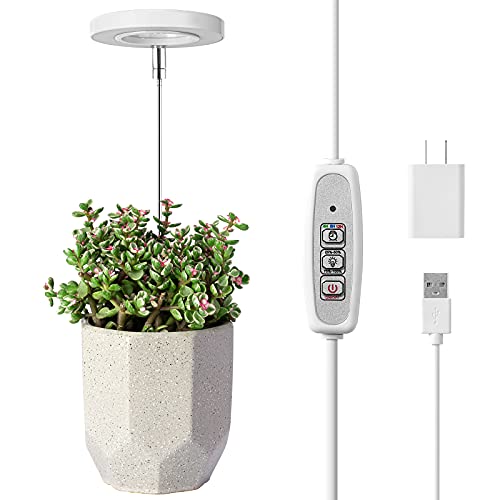
LORDEM’s full-spectrum LED plant light delivers 380-800nm, designed to support all growth stages, including tomatoes. An integrated auto on/off timer with 4/8/12-hour options ensures consistent day-night cycles without manual adjustments. The product emphasizes a stylish halo-like design that blends with home decor while delivering high PAR output, promoting efficient photosynthesis for better foliage and fruit set. The timer sequencing can help gardeners maintain a stable photoperiod even during travel or fluctuating schedules.
Practical notes for tomatoes: The broad spectrum helps seedling establishment and robust vegetative growth, which in turn supports stronger fruiting later. The halo design is more of a decorative element, so ensure the light provides adequate canopy coverage for larger tomato plants. Consider pairing with a second unit if growing in a multi-tier setup or with taller plants that require higher light intensity at the top leaves.
LBW Latest Grow Light for Indoor Plants

LBW’s latest model continues the brand’s focus on full-spectrum output with 214 LED chips across multiple color channels. The 3/6/12-hour timer cycles support flexible scheduling, and six brightness levels enable nuanced control for different life stages of tomato plants. The design emphasizes heat management and a sturdy, spacious footprint for broader coverage, helping ensure that the lower leaves get adequate light for healthy growth and fruit development.
Tips for tomato setups: When using high-PSF lighting, monitor leaf temperature and ensure proper ventilation to prevent heat buildup. Use adjustable stands or mounts to keep the light evenly distributed across the plant canopy as tomato plants expand. If space is limited, consider rotating plants or using multiple units to achieve uniform coverage across the entire plant height.
Buying Guide: Key Considerations for Tomato Growing Lights
- Full-spectrum vs. targeted spectrum: For tomatoes, a full spectrum or a mix of red and blue wavelengths supports both vegetative growth and fruit set. Look for lights offering 380-800 nm ranges or clearly labeled red/blue channels.
- Intensity and coverage: Tomato plants benefit from higher light intensity as they mature. Check PPFD ratings and ensure the fixture covers the canopy area you plan to light. Adjustable height and wide-angle emitters help with even coverage.
- Photoperiod and timers: Automatic on/off timers reduce manual duty and stabilize daily light exposure. Common options are 4/8/12-hour cycles; choose models that fit your schedule and location.
- Height and mounting: Stand-alone lamps, clip-ons, or tripods offer different placement options. For tomatoes, ensure the light can be positioned above the tallest foliage without causing leaf burn.
- Energy efficiency: Compare wattage to output and consider long-term running costs. LED units effectively balance power consumption with light intensity.
- Durability and heat management: Durable housings and good heat dissipation extend lifespans, particularly for longer photoperiods. Fans and heat sinks can help in hotter rooms.
- Grow space and scalability: If you have a limited space, compact clip lights may suffice for seedlings or small plants. For mature tomato plants, larger stands or multi-light setups may be necessary.
- Ease of use and maintenance: Look for easy assembly, reliable timers, and simple brightness controls. Washable lenses and sturdy stands reduce maintenance over time.
- Safety and warranty: Ensure the product has certified safety ratings and an accessible warranty in case of early failures or defects.