Zone 7 climates offer long growing seasons and ample sun, rewarding gardeners with vibrant blooms and sturdy foliage. This guide highlights five of the best sun-loving shrubs that perform well in Zone 7, delivering color, texture, and fragrance. Each pick is known for strong performance in full sun, seasonal interest, and relatively easy maintenance. Whether you’re building a foundation planting, creating a privacy screen, or adding a focal point, these shrubs provide reliable color and structure throughout the year.
| Product | Key Benefit |
|---|---|
| October Magic Ruby Camellia | Ruby blooms October through early winter |
| Encore Azalea Autumn Royalty | Reblooming pink-purple flowers across seasons |
| Purple Diamond Loropetalum | Evergreen with purple foliage and pink ribbon blossoms |
| Sweet Viburnum Shrub | Fast-growing privacy and fragrant spring bloom |
| Abelia Grandiflora | Semi-evergreen with year-round interest |
October Magic Ruby Camellia

The October Magic Ruby Camellia is a medium-sized flowering shrub that reaches up to about 5 feet tall. It thrives in USDA zones 7-9 and prefers well-drained acidic soil with partial shade to full sun. Its standout feature is ruby-colored blooms that appear from October into early winter, providing strong seasonal color when many perennials have finished. For Zone 7 landscapes, planting this camellia in a sheltered, sunny spot can maximize bloom display and reduce frost damage. Regular mulching and soil pH management help maintain vigor in sunnier exposures.
Encore Azalea Autumn Royalty
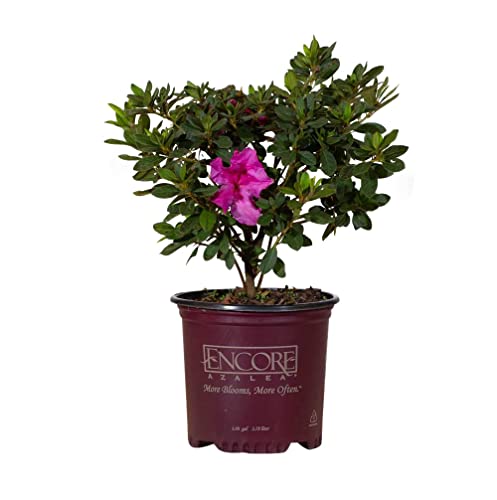
Encore Azalea Autumn Royalty offers reblooming purple flowers across multiple seasons, bringing long-lasting color to sunny or slightly shaded zones. This evergreen shrub typically grows to about 4.5 feet wide by 4 feet tall, making it suitable as a foundation planting, in mass for a privacy screen, or as a focal point near entryways. The cultivar is known for its dense growth and minimal pruning requirements; pruning after spring bloom helps promote future flowering. It attracts butterflies and bees while maintaining year-round structure in Zone 7’s sunniest spots.
Purple Diamond Loropetalum

The Purple Diamond Loropetalum is an evergreen shrub renowned for striking purple foliage and delicate pink ribbon-like blooms. Mature plants typically reach 5-6 feet wide and 4-6 feet tall, making it a strong candidate for a bold focal point or a structured hedge. Hardy in USDA Zones 7-10, it performs well in full sun to part shade, provided the soil is well-drained. Its year-round color provides contrasting texture when paired with lighter flowering shrubs, and its evergreen leaves maintain visual interest through winter.
Sweet Viburnum Shrub

Perfect Plants Sweet Viburnum Shrub provides fast growth and a fragrance-filled spring bloom. Suitable for zones 8-10 but adaptable to Zone 7 with adequate moisture and sun, it can form a rapid privacy screen or garden backbone. The plant’s strong growth habit makes it ideal for hedges and borders, and its nectar-rich flowers attract pollinators. In hot, sunny areas, ensure consistent moisture and well-drained soil to prevent leaf scorch. It’s a solid option for homeowners seeking a reliable, fragrant addition to a sunny landscape.
Abelia Grandiflora

Abelia Grandiflora is a semi-evergreen shrub that performs well in full sun and well-drained soils, reaching a mature height of 4-6 feet with a similar spread. Its glossy foliage provides year-round interest, and it often features clusters of small, fragrant flowers during the warmer months. This hardy plant tolerates heat and drought better than many ornamentals, making it a versatile choice for Zone 7 landscapes where sun exposure is plentiful. Regular pruning helps maintain compact form and encourages continued flowering.
Buying Guide
Sun and climate suitability
In Zone 7, select shrubs that tolerate full sun and heat, but also appreciate some afternoon shade in extreme heat. Look for plants labeled as hardy in Zone 7 and nearby zones. Soil type and drainage are critical: most of these shrubs prefer well-drained soils and slightly acidic to neutral pH. Mulching helps retain moisture and moderates soil temperature, protecting roots during peak heat.
Bloom time and seasonal interest
Consider how a plant’s bloom time complements your garden’s scheduling. The October Magic Ruby Camellia provides fall-winter color, while Encore Azalea Autumn Royalty offers multi-season flowering. Loropetalum and viburnums add evergreen or fragrant contrast, and abelia provides year-round structure with periodic bloom. A mix ensures ongoing visual interest.
Maintenance and pruning needs
Low-maintenance options like Encore Azalea and Loropetalum benefit from light pruning after flowering to maintain shape and stimulate growth. Viburnums and abelias generally tolerate pruning and respond well to shaping. Avoid heavy fall pruning on Azaleas to prevent removing next season’s buds. Group planting can reduce maintenance by creating cohesive borders.
Size at maturity and spacing
Before planting, verify mature size to prevent overcrowding. The camellia and loropetalum can reach several feet in width and height; abelia and viburnum vary but are manageable in residential beds. Allow adequate spacing to ensure air circulation and reduce disease risk. If space is limited, consider installation of shrub varieties with similar mature sizes in staggered rows.
Wildlife and pollinators
Many of these shrubs attract pollinators. Azaleas and viburnums are particularly appealing to bees and butterflies, while flowering shrubs provide nectar in spring and fall. For wildlife-friendly landscapes, mix flowering varieties with evergreen structure to support birds and beneficial insects year-round.
Color and texture combinations
Pairing purple-leaved loropetalum with pink blooms, or contrasting evergreen textures with fragrant abelia, creates visual interest. Consider foliage color, bloom color, and seasonal length when designing borders. Using a mix of evergreens and flowering shrubs helps maintain garden structure even when some plants are not in bloom.