Choosing clear greenhouse plastic that lasts and passes light evenly can dramatically affect crop yields. The following selections emphasize durability, UV resistance, and strong light diffusion to reduce hot spots while protecting plants. Below are five top options with practical notes to help you compare features, installation needs, and expected performance across seasons.
| Product | Thickness | Size | UV Protection | Light Diffusion / Transmittance |
|---|---|---|---|---|
| PROMORE 6 Mil Greenhouse Plastic Sheeting | 6 mil | 8×25 ft | UV > 20% | Light diffusion > 90% |
| chicarry Greenhouse Plastic Sheeting | 6 mil | 12×25 ft | UV resistant | High light transmittance |
| ZSLTLDU 18 Mil Greenhouse Cover | 18 mil | 14×18 ft | UV resistant | Reinforced anti-tear with clear view |
| VEVOR Greenhouse Plastic Sheeting | 6 mil | 10×25 ft | UV resistant | Clear, light-transmitting film |
| Farm Plastic Supply – Dura Skrim 10 Mil | 10 mil | 6×25 ft | UV resistant | Ultra clear, high strength |
PROMORE 6 Mil Greenhouse Plastic Sheeting

PROMORE’s heavy-duty greenhouse plastic sheeting is engineered from industrial-grade polyethylene. The 6 mil film emphasizes tear resistance for demanding protection and long-term use. Built-in UV blockers filter out over 20% of harmful rays, helping slow film degradation. With light diffusion exceeding 90%, the film transmits most natural light while distributing it evenly to reduce hot spots and promote balanced plant growth.
chicarry Greenhouse Plastic Sheeting

chicarry’s film uses 6 mil clear polyethylene with a 5-layer co-extrusion approach to boost strength and flexibility. The film offers high UV resistance and long-lasting durability, designed to withstand farm and garden conditions. Its design emphasizes even light distribution, keeping the greenhouse warm in cooler weather and supporting earlier harvests by maintaining higher average temperatures and reducing shading losses.
ZSLTLDU 18 Mil Greenhouse Cover
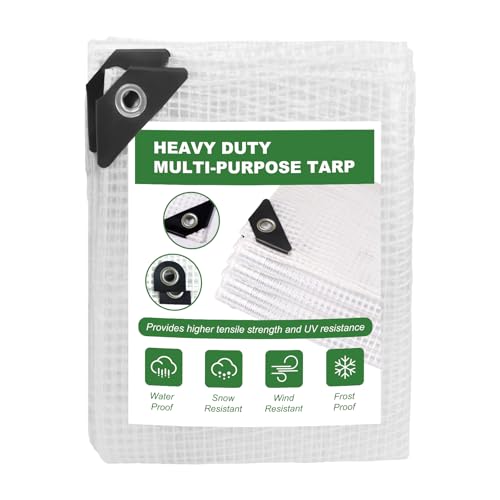
ZSLTLDU offers a heavy 18 mil thick greenhouse cover with UV protection and waterproofing. Its reinforced anti-tear design uses rust-resistant grommets and reinforced rope hems to withstand wind and wear. The thicker profile provides robust protection in harsher climates, while maintaining clear visibility for crops and improved insulation during cold seasons.
VEVOR Greenhouse Plastic Sheeting

VEVOR’s 6 mil clear polyethylene film is designed for hoop houses and garden sheds. The film is UV-resistant to extend service life and features a 10×25 ft size that unfolds easily for quick setup. It helps maintain warmer temperatures in cooler weather and reduces dust accumulation for cleaner plant surfaces, supporting steady growth over multiple seasons.
Farm Plastic Supply – Dura Skrim 10 Mil
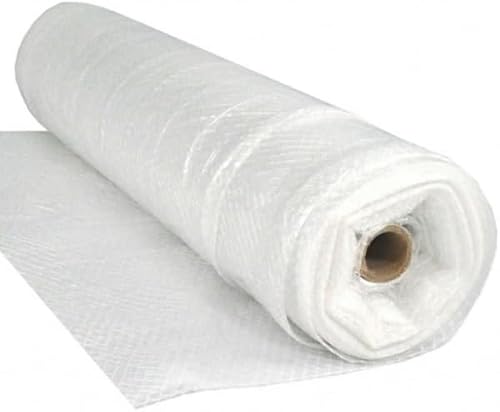
Farm Plastic Supply’s Dura Skrim 10 mil greenhouse film combines a heavy-duty polyethylene film with scrim reinforcement for high strength and flexibility. It’s UV resistant to reduce aging and degradation and is designed for hoop houses and longer-term installations. The film’s ultra-clear appearance supports strong light transmission, helping crops reach their potential across varied seasons.
Buying Guide: Key Purchase Considerations
- Thickness and durability: Thicker films (6–18 mil) offer greater tear resistance and longer lifespans, particularly in windy or cold climates. Heavier films may require sturdier framing and stronger fasteners.
- UV resistance: UV inhibitors slow material degradation from sun exposure. Look for products that specifically cite UV protection to maximize film life and maintain clarity.
- Light transmission and diffusion: High transmittance ensures adequate photosynthesis. Diffusion helps spread light evenly and reduces hot spots that can stress plants.
- Size and fit: Confirm dimensions match your greenhouse footprint. Some films come in rolls suited for hoops; others are ready-to-roll for standard structures.
- Reinforcement and edge construction: Reinforced edges, grommets, and rope hems improve installation security, especially in exposed areas or large greenhouses.
- Ease of installation: Films that are flexible and easy to handle save time during setup and replacements. Consider any tool requirements for installation.
- Longevity vs. cost: Higher thickness and multi-layer structures may have higher upfront costs but reduce replacement frequency, delivering long-term value.
- Climate suitability: For hot summers, films with good heat management and diffusion help prevent scorching while preserving light quality for crops.