Choosing the right polyethylene irrigation tubing can improve water delivery, reduce maintenance, and extend the lifespan of your drip systems. This guide highlights five reliable polyethylene products well-suited for gardens, landscapes, and small farms. Each option supports mainlines or feeder lines, works with emitters, and offers durability in outdoor conditions. Read on to compare features and find the best match for your irrigation layout.
| Product | Size / Length | Use Case |
|---|---|---|
| Raindrip 052020P 1/2-Inch Drip Tubing | 1/2 inch | Main line or feeder line for drip systems |
| Dripworks Drip Irrigation Tube 100′ Roll (3/4″ Mainline) | 3/4 inch, 100 ft | Mainline tubing for drip systems |
| Raindrip 061050 5/8-Inch Supply Tubing | 5/8 inch, 500 ft | Main supply line or dripper line |
| LASCO Mainline Drip Irrigation Tubing | 1/2 inch, 100 ft | Use with 1/2-inch fittings for mainline |
| DripWorks 1/2″ Polyethylene Tubing (100 ft) | 1/2 inch, 100 ft | Mainline supply hose for drip systems |
Raindrip 1/2-Inch Drip Irrigation Tubing
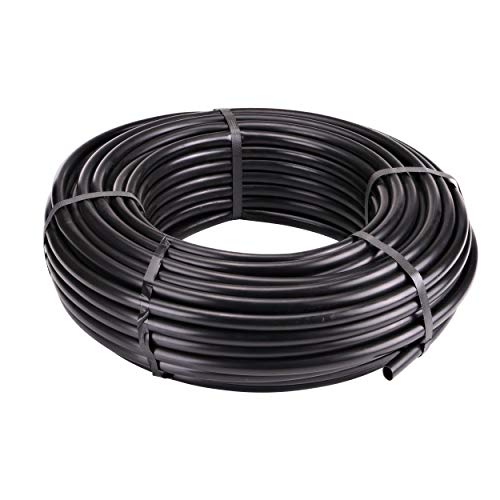
Raindrip 052020P is a 1/2 inch polyethylene irrigation tubing designed for use as a main supply line or feeder line. It is compatible with drip irrigation parts, allowing you to connect to a water source or to install emitters along the run. The tubing supports multiple uses, from trees and shrubs to flower beds, vegetables, and pots. Its durable construction helps withstand outdoor conditions while remaining flexible for easy routing through garden beds.
Cresline Polyethylene Pipe 1″ x 100′ 80 PSI

Cresline 1″ x 100′ polyethylene pipe is a straightforward option for irrigation runs where higher pressure capacity is required. Although labeled for general use, its 80 PSI rating and American-made production emphasize reliability for residential systems. This pipe is suited for longer mainlines or connections to multiple zones, delivering steady water flow with durable performance over time.
Dripworks Drip Irrigation Tube 100′ Roll (3/4″ Mainline)

Dripworks offers a 3/4″ mainline black LDPE tubing roll with a 0.820″ ID and 0.940″ OD, plus a wall thickness of 0.060″. This high-quality tubing is designed for extended field performance and is ideal for large or spreading irrigation zones. The thicker walls help resist damage from soil movement and abrasion while maintaining smooth water flow, supporting longer runs and multiple emitters.
LASCO Mainline Drip Irrigation Tubing (100 ft)
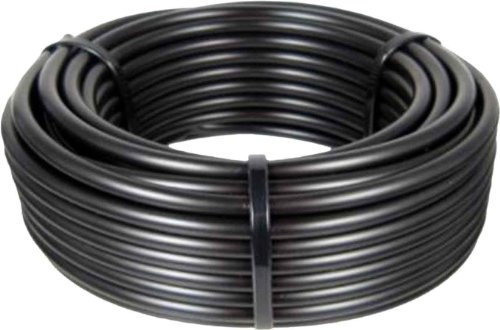
LASCO’s mainline tubing is a 100-foot polyethylene option designed for compatibility with 1/2-inch barb drip fittings or green end fittings. It combines commercial-grade quality with practical length for residential jobs, enabling reliable water delivery across a network of zones without frequent re-runs for replacements or extensions.
DripWorks 1/2″ Polyethylene Tubing (100 ft)

DripWorks offers a 1/2″ polyethylene tubing option available in multiple lengths, including 100 feet. Specifications show a 0.600″ ID and 0.700″ OD, with a maximum recommended pressure of 50 PSI and a flow rate up to 240 GPH (4 GPM). This tubing suits home gardens and greenhouses where reliable, flexible mainline supply is needed for drip systems across varied plantings.
Buying Guide: Key Considerations for Polyethylene Irrigation Tubing
- Size and compatibility: Choose tube inner diameter (ID) and outer diameter (OD) to fit your fittings and emitters. Common sizes include 1/2″, 5/8″, and 3/4″ mainlines. Ensure the tubing works with your drip components and fittings.
- Material and durability: Polyethylene tubing offers UV resistance and flexible handling. Layered or virgin-content tubing can improve longevity in outdoor environments and under temperature fluctuations.
- Pressure rating and flow: Check PSI ratings and flow capacities to ensure the tubing can support your irrigation layout, especially for longer runs and multiple emitters.
- Length and layout: Plan tubing length to minimize joints and splices. Longer, continuous runs reduce potential leak points and improve system efficiency.
- Environment and exposure: Consider outdoor exposure, soil abrasion, and potential rodent or root interference. Thicker walls and UV-stable formulations help resist damage.
- Ease of installation: Look for tubing with clear labeling and compatibility with standard drip fittings. Flexible tubing that resists kinking simplifies routing through beds and around obstacles.
- Maintenance and replacements: Favor tubes that are widely available and standardized, so you can easily source replacements or extensions when expanding or repairing zones.
How to Choose for Different Garden Setups
For small home gardens with pots and raised beds, 1/2″ or 5/8″ tubing is typically sufficient, offering easy handling and compatible emitters. For larger landscapes or zone-based irrigation, 3/4″ or larger mainlines reduce pressure loss and support longer runs. If you plan to replace older tubing, verify compatibility with your existing emitters and connectors to avoid mismatches during installation.
Installation Best Practices
Weigh the layout first: map zones, water source, and connections. Use clamps or barbed fittings for secure connections, verify pressure at the end of each run, and consider filtration to protect emitters. Regularly inspect tubing for sun damage or cracks, especially in exposed areas. When extending an existing system, match the new tubing to the original ID and ensure consistent flow.
Additional Considerations for Irrigation Tubing
- UV exposure: Opt for UV-stabilized tubing to extend life in sunny climates.
- Chemical compatibility: Most irrigation PE tubing is compatible with common fertilizers and water; confirm if you plan to use concentrated solutions.
- Color and visibility: Black tubing reduces algae growth and blends with soil; other colors may be easier to identify in certain layouts.