Scale insects can sap vigor from apples, roses, citrus, and many ornamentals. Horticultural oils offer a descaling, contact-based approach that smothers overwintering eggs and adults, reducing populations without harsh residues. This guide reviews widely available horticultural oils designed to combat scale and related pests, with practical notes on usage, compatibility, and seasonality. We compare concentrated and ready-to-use formats, OMRI-listed options for organic gardens, and multi-purpose oils suitable for year-round protection. The goal is to help American gardeners choose an effective oil that fits their plants, climate, and gardening routine.
| Product | Brand | Format |
|---|---|---|
| Bonide All Seasons Horticultural & Dormant Spray Oil | Bonide | 128 oz Concentrate |
| Bonide All Season Horticultural & Dormant Spray Oil | Bonide | 32 oz Ready-to-Use |
| Monterey Horticultural Oil | Monterey | 32 oz |
| Monterey Horticultural Oil Bundled with Measuring Spoon | Monterey | 1 Gallon |
| Southern Ag Parafine Horticultural Oil | Root 98 Warehouse / Southern Ag | 16 oz |
Bonide All Seasons Horticultural & Dormant Spray Oil (128 oz)
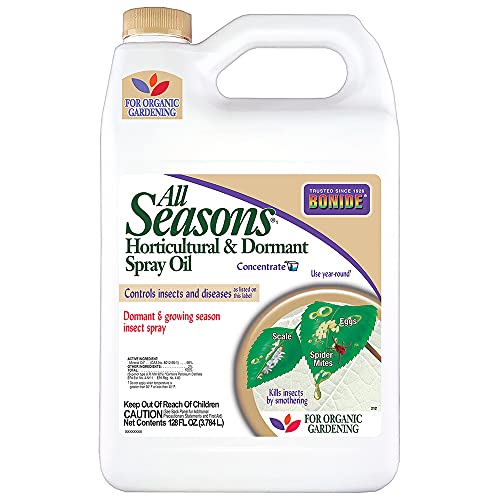
The Bonide All Seasons Horticultural & Dormant Spray Oil Concentrate is designed for year-round insect and disease control. Its active ingredient, refined mineral oil, is approved for organic gardening and organic produce production. The concentrate format supports large-scale treatment plans for lawns and home gardens, enabling application during the growing season to manage scale, powdery mildew, leaf spot, and other common fungal issues. Suitable for a wide range of crops including fruits, vegetables, nuts, and ornamentals, this oil prioritizes broad compatibility and long-term protection.
Bonide All Season Horticultural & Dormant Spray Oil (32 oz)
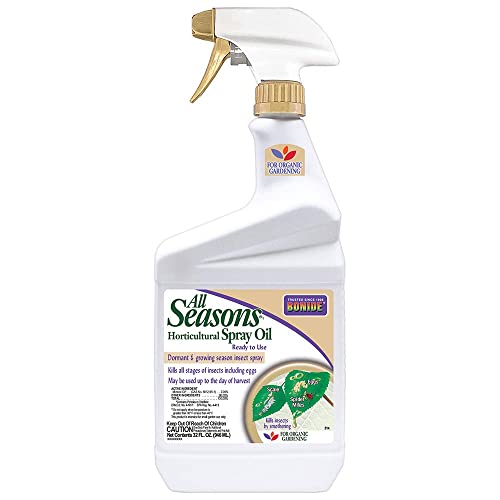
This Ready-to-Use spray provides convenient, ready-to-apply protection against listed insects and diseases. The product emphasizes year-round utility, including dormant-season uses, and is designed to be safe for a variety of plants in home gardens. As a practical option for smaller spaces or quick spot treatments, it simplifies routine protection against scale and other pests without requiring mixing or measuring. It remains compatible with many common ornamentals and food crops when applied as directed.
Monterey Horticultural Oil for Aphids, Mites, Scales

Monterey’s Horticultural Oil targets aphids, mites, scales, whiteflies, and related pests. While marketed primarily for general pest control, it offers an effective line of defense against scale through contact suffocation. The product is suitable for organic gardening and can be used on a spectrum of trees and ornamentals. It’s a flexible option for gardeners seeking an OMRI-listed oil or a product compatible with diverse crops while protecting plant vigor in both dormant and growing seasons.
Monterey Horticultural Oil – Organic (15 oz)

This Monterey spray focuses on inhibiting pests such as aphids, leaf miners, scale, and whiteflies, while supporting foliage protection on a broad set of crops. It is designed for safe use during both dormant and growing seasons, which can help growers maintain consistent pest management. The product notes eggs may not be fully controlled, so integrated pest management with additional measures may be considered for comprehensive protection.
Southern Ag Parafine Horticultural Oil (16 oz)
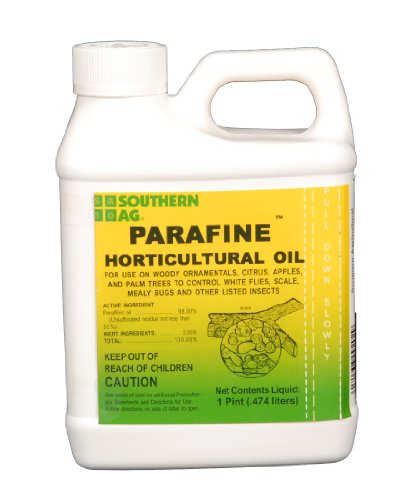
Contains 98% parafinic oil with a 2% emulsifier. This formulation can be used as either a horticultural oil or dormant oil, making it versatile for seasonal management of scale, whiteflies, mealybugs, and spider mites. It is designed for compatibility with a range of plant types and landscapes, supporting both preventive and curative applications when used as directed. The oil’s broad-use profile suits homeowners and professionals managing diverse plantings.
Buying Guide: Key Purchase Considerations
Oil type and purity: Choose refined mineral oil or paraffin-based oils labeled for horticultural use. Higher purity often translates to broader plant compatibility and better pest smothering while minimizing phytotoxic risk when used as directed.
Concentrate vs ready-to-use: Concentrates offer economy for larger areas but require mixing and a sprayer. Ready-to-use options are convenient for small spaces or spot treatments but may be costlier per square foot.
Seasonality and dormancy: Some oils are formulated for dormant-season use, while others are intended for active growth periods. For scale, targeting overwintering eggs and early crawlers with dormant sprays can improve control across seasons.
OMRI listing and organic compatibility: Organic gardeners should prioritize products with OMRI (Organic Materials Review Institute) listings when possible. The active ingredient (refined mineral oil) is widely accepted in organic systems, but always verify labeling for your crop.
Plant compatibility and sprays: Assess crop sensitivity to oil sprays. Some evergreens, citrus, and stone fruits may show temporary leaf burn if applied during high temperatures or midday sun. Follow label directions regarding plant type, frequency, and water temperature.
Coverage and dilution: Evaluate the product’s coverage rate and dilution requirements to estimate how many gallons you’ll need for your garden or orchard. For larger landscapes, a backpack sprayer or tank sprayer can improve application efficiency.
Resistance management: Oils provide immediate contact kill, but they do not leave residues that prevent future infestations. Combine oil treatments with monitoring, scouting, and timed applications for sustained scale management.
In summary, horticultural oils offer a relatively low-risk option for scale control that can be integrated into organic and conventional gardens alike. For most homeowners, a mix of ready-to-use and concentrated options across seasons provides practical coverage for fruit trees, ornamentals, and edible crops while minimizing environmental impact. Always follow label directions, test on a small plant area first, and schedule applications to align with weather and plant growth stages.