When privacy is the priority, laurel trees provide dense foliage, year-round coverage, and manageable growth. This guide showcases laurel-based options and related privacy trees that are well-suited for American yards, from evergreen Ficus Nitida hedges to bay laurels and oaks. Each selection below emphasizes dense canopies, proven hardiness, and practical growing tips for screens, borders, and backyard privacy.
Summary of selected products
| Product | Focus | Typical Use | Notes |
|---|---|---|---|
| 3 Indian Laurel Figs – Live Ficus Nitida | Dense evergreen hedge | Privacy screens, shade | Set of 3 in 2.5” cubes |
| Willow Hybrid Trees For Privacy | Fast-growing visual barrier | Sound/privacy walls | 10 ft/year potential; 9″ cuttings |
| 2 Indian Laurel Figs – Live Ficus Nitida | Compact privacy hedge | Hedges, screens | Set of 2 in 2.5” cubes |
| Pack 2 Sweet Bay Laurel Trees | Herbaceous privacy with fragrance | Containers or ground | Bay leaf aroma |
| Laurel Oak Tree | Large shade canopy | Privacy and shade | Dense evergreen-like canopy |
3 Indian Laurel Figs – Live Ficus Nitida Plant

The product offers a trio of Ficus Nitida plants, each in a 2.5” nursery cube. Ficus Nitida, commonly called Indian Laurel Fig, is a classic choice for privacy hedges due to its dense, glossy foliage and compact growth habit when started in containers or beds. The set includes three healthy live plants, providing an immediate planting option for creating a green wall along a property line or fence. Planting in a staggered row can accelerate a windbreak or visual barrier, especially in small yards where space is limited. Ficus Nitida tolerates a range of soil types and sunny to partially shaded locations, making it adaptable for many climates. This option suits hedges or screens and can be pruned to maintain a formal shape or allowed to form a natural, full canopy.
Key features include a lush canopy that enhances privacy and an inviting, tranquil outdoor ambiance. Dense foliage adds a calming effect to any garden, and the plant’s evergreen nature helps maintain year-round screening. For best results, space plants to achieve a solid cover, monitor for pests in busier urban areas, and provide consistent moisture while establishing roots. Regular pruning can help sustain a uniform hedge height and density over time.
Willow Hybrid Trees for Privacy – Austree Willow Cuttings (10 Cuttings)
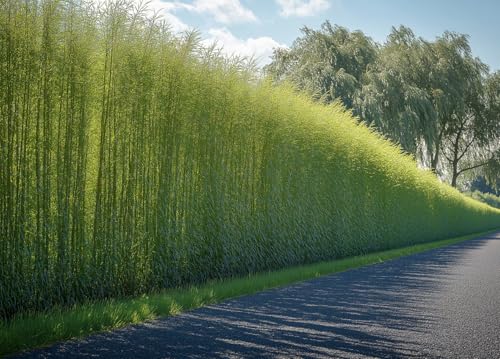
The Willow Hybrid, or Austree Willow, is renowned for rapid growth and dramatic screening potential. Ten cuttings arrive at about 9 inches long and can root quickly in water before transplanting. This option is ideal for homeowners seeking a fast visual barrier against nosy neighbors or street exposure. Growth is vigorous, with tall, arching branches that fill in quickly to create a tapestry of green. For best results, plant in evenly spaced rows with the option to stagger across rows for denser coverage. Given their speed, owners should plan regular pruning to maintain a neat appearance and prevent overgrowth into adjacent spaces. The Willow’s flexible structure makes it a versatile choice for privacy and shade in larger landscapes.
Pros include unmatched early coverage and tolerance to water, though the rapid growth requires consistent maintenance. Consider local climate and soil conditions, and keep in mind that willows may require more water in hot summers. If space is limited, this option might be better as a long-term privacy screen rather than a quick fix.
2 Indian Laurel Figs – Live Ficus Nitida Plant

This listing offers two Ficus Nitida plants in 2.5” nursery cubes, a compact option that pairs well with the 3-plant set for denser hedges or staggered privacy screens. The Ficus Nitida’s evergreen foliage remains vibrant throughout the year, creating a stable, year-round privacy canopy. Like other laurel-based hedges, these plants respond well to pruning and shaping, enabling homeowners to tailor the screen height and density. This option is beneficial for filling in small to medium-sized yards where a robust, evergreen privacy shield is desired without taking up excessive ground area.
Gardeners should ensure consistent moisture during establishment and monitor for pests common to ficus in certain regions. Regular top-dressing with mulch can help regulate soil temperature and moisture, supporting healthier growth in early seasons. As the hedge thickens, consider occasional thinning to promote air circulation and plant health.
Pack 2 Sweet Bay Laurel Trees

Bay laurels offer a distinct fragrance and a practical approach to privacy with edible leaves for cooking. This pack includes two Sweet Bay Laurel trees (Laurus nobilis), typically growing 4 to 9 inches tall at selection. They’re hardy in USDA zones 8-10 and can be container-grown for flexibility. In warm seasons, they tolerate outdoor placement in part shade, while indoor or container options enable year-round privacy in cooler climates. Bay laurels provide a dual benefit: a dense, evergreen screen and an aromatic, culinary herb supply. Regular pruning helps maintain a confined, elegant hedge or specimen tree, and winter protection may extend life in marginal climates.
Consider soil drainage and sun exposure when placing bay laurels. They prefer well-drained soil and protection from harsh winds. Container cultivation allows close planting for a faster privacy hedge, but ensure proper provisioning for container size and root growth to avoid stunting. The scent and evergreen presence make this option appealing for scent-rich landscapes and edible gardens alike.
Laurel Oak Tree

Laurel Oak (Quercus laurifolia) provides a large, dense canopy suitable for substantial privacy and shade. While it is a semi-evergreen to deciduous option depending on climate, the cultivar’s dense foliage still offers significant screening. Native to the southeastern United States, it tolerates wet sites and can adapt to a range of soils, contributing to robust privacy barriers near yards and properties with variable moisture. The oak’s leaves are dark green and typically undulate, with acorns appearing in healthy seasonal cycles. It can be a durable choice for long-term privacy in warmer regions or transitional zones with appropriate care and pruning.
Pros include a strong, enduring screen and a long lifespan. Consider climate compatibility and space, as oaks can become large over time. Regular pruning helps maintain an even canopy, and mulching aids moisture retention in warmer months. For regions with frost risk, ensure you select a cold-hardy variant and provide protection during extreme winters.
5 Laurel Oak Tree Quercus Hemisphaerica Native

This listing features five Laurel Oak Tree seeds, ably expanding privacy options through a native oak lineage. Quercus Hemisphaerica, also known as Darlington Coastal & Sand Laurel Oak, is suited for zones 6-9 and tends to bring a robust canopy, ideal for screening coastal or sandy soils. The broader particularly hardy nature of these oak varieties makes them attractive for homeowners seeking a longer-term privacy solution that can tolerate varied soils and climates. Growth may be slower in the initial years, but the canopy becomes denser as trees mature, offering substantial year-round privacy and landscaping value.
Buying Guide: Privacy Tree Considerations
- Climate and hardiness: Choose species suited to your USDA zone to ensure reliable evergreen presence and growth rates.
- Growth rate and mature size: Fast growers offer quicker privacy, but may require more pruning and space planning; slower growers often need less maintenance but take longer to establish.
- Soil and drainage: Many laurels prefer well-drained soil; waterlogged sites can stress roots and reduce canopy density.
- Light exposure: Full sun to partial shade supports dense foliation. Some laurel species tolerate partial shade better than others.
- Maintenance: Regular pruning sustains screen thickness, height, and health. Mulching and irrigation practices influence establishment success.
- Aesthetics and fragrance: Bay laurels offer scent and culinary use, while ficus and oaks provide different canopy textures and leaf shapes for varied garden designs.
- Wildlife and invasiveness: While many laurels are native or well-behaved, consider local ecosystems and any invasive concerns in your area.
- Container vs. in-ground planting: Containers suit small spaces and seasonal flexibility, while ground planting supports taller, longer-lasting screens.
Across these selections, common advantages include year-round privacy, a dense canopy, and adaptable planting options for hedges, screens, and shaded retreats. When evaluating products for a home landscape, consider immediate screening needs, long-term growth, climate compatibility, and local soil conditions to choose the best fit for your yard.