Edamame is a popular, protein-packed addition to any kitchen garden. Selecting the right edamame seeds can influence yield, flavor, and harvest timing. The following five selections represent reliable, non-GMO options with strong germination, tasty pods, and easy growth in American climates. Use this guide to compare growth habits, pod size, and storage potential so you can plan a productive edamame patch this season.
Summary of chosen products:
| Product | Brand | Key Benefit | Germination & Harvest Notes |
|---|---|---|---|
| Sow Right Seeds – Chiba Green Soybean | Sow Right Seeds | Germinates in 10–14 days; 65–75°F ideal; 65–75 days to maturity | |
| Midori Giant Soybean Seeds – SURVIVAL GARDEN SEEDS | SURVIVAL GARDEN SEEDS | 20–24″ bushy plants; pods with 2–3 seeds; freezes well | |
| Sow Right Seeds – Chiba Green (2nd) | Sow Right Seeds | Same growing profile as first; durable for various zones | |
| Midori Giant Edamame – Isla’s Garden Seeds | Isla’s garden seeds | High-yielding; easy to grow; good for home gardens | |
| KVITER – Midori Giant Edamame | KVITER | 5–10 days to sprout; 80-day harvest window |
Sow Right Seeds Chiba Green Soybean Seeds

These Chiba Green Soybean seeds from Sow Right Seeds offer a traditional, non-GMO option with a robust profile for edamame. The packet weight provides a generous seed quantity, making it suitable for a standard home garden and potential cover-cropping benefits. Deeply rooted plants help improve soil nitrogen, aiding subsequent crops in mixed-bed rotations. Gardeners can expect productive growth in full sun, with plants reaching 1–3 feet tall and spreading 12–16 inches. Pods mature in about 65–75 days, yielding green edamame beans best harvested fresh or dried for storage. The seed count is roughly 40 seeds per packet.
Growing notes:
- Germination usually occurs within 10–14 days when soils reach 65–75°F.
- Plant 1 inch deep, space 4–6 inches apart.
- Climate zones 3–10 are suitable with full sun exposure.
- Pods are best when green, though seeds can be dried for other uses.
Midori Giant Soybean Seeds – SURVIVAL GARDEN SEEDS
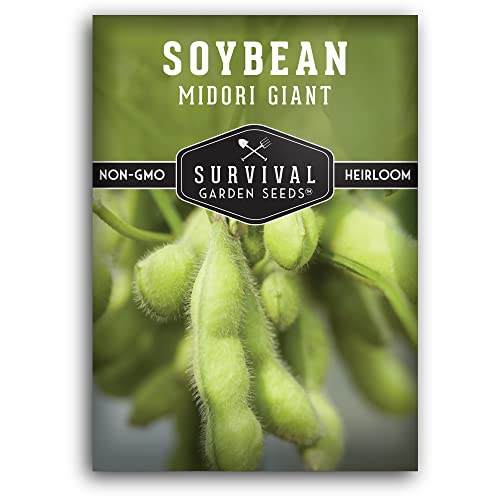
Midori Giant from SURVIVAL GARDEN SEEDS emphasizes high yield and versatility. These non-GMO seeds produce stout, productive bushes that reach about 20–24 inches in height, with an abundance of green pods containing 2–3 seeds each. The variety is ideal for both fresh edamame and extended storage, as pods freeze well for long-term use. Pods are typically ready in a similar window to other market edamame varieties, making this a practical choice for gardeners who want steady harvests through the growing season. The packet includes guidance on saving seeds for future seasons.
Growing notes:
- Soybeans thrive in well-drained soil with full sun.
- Compact growth helps maximize space in small gardens.
- Harvest when beans are tender and green for best flavor; freeze or store for later.
Sow Right Seeds – Chiba Green Soybean Seeds (2)
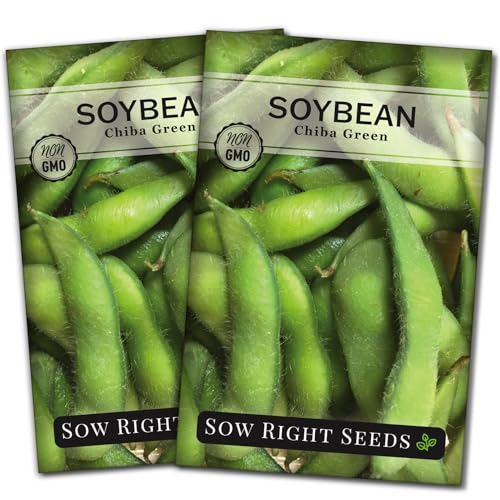
This is another pack of Chiba Green Soybean seeds from the same dependable line, offering continuity for gardeners who want to expand or replace plantings across seasons. The product maintains the same benefits: nitrogen-fixing roots, heat tolerance, and a reliable germination timeline. The 13 g minimum per packet translates into roughly 40 seeds, adequate for a small-to-midsize patch. Gardeners can anticipate plants that reach 1–3 feet tall with a 12–16 inch spread, making this a practical repeat purchase for gardeners who prefer continuity in variety and performance.
Growing notes:
- Germination in 10–14 days at 65–75°F soil temperatures.
- Full sun and proper spacing boost yield and airflow to reduce disease.
- Harvest when pods are green, or dry for shelling-based recipes.
Midori Giant Edamame – Isla’s Garden Seeds

Isla’s Garden Seeds presents a Midori Giant Edamame option focused on large, sweet, and sturdy pods. The variety is well-suited for home gardens seeking reliable yields with a robust, nutty flavor profile. Its high-yielding nature supports frequent harvests across the growing season. The seeds are non-GMO and intended for Glycine max, commonly referred to as edamame, soybeans. Growing is straightforward with ample sunlight and well-drained soil, making it accessible to gardeners of varying experience levels. Pods can be steamed fresh or dried for preservation.
Growing notes:
- Ideal for home gardens seeking a dependable protein crop.
- Pod size and seed count deliver substantial harvests per plant.
- Can be frozen after harvest for long-term storage.
KVITER Midori Giant Edamame Seeds

KVITER’s Midori Giant Edamame seeds emphasize high-yield potential and quick germination. The seeds form substantial, nitrogen-fixing bushes that can reach 24–36 inches tall in favorable conditions. They germinate rapidly, often in 5–10 days at warm temperatures, enabling earlier harvests—commonly around 80 days. The flavor profile leans toward a sweet, nutty vibe that pairs well with a variety of preparations, from fresh edamame to stir-fries and snacks. The seeds are marketed as non-GMO and suited for home gardens in temperate regions.
Growing notes:
- Ensure loamy, well-drained soil and full sun for best results.
- Early germination supports a longer harvest window.
- Pods and seeds can be boiled, steamed, or frozen for later use.
Buying Guide: Key Purchase Considerations
When choosing edamame seeds, gardeners should consider climate compatibility, germination rate, harvest timing, and storage potential. Seed packets that offer clear instructions for saving seeds help gardeners extend their harvest across seasons. Look for varieties described as non-GMO if that aligns with your preferences. The growth habit—typically a compact, bushy plant for most edamame varieties—will influence garden layout and spacing. For those with shorter growing seasons, opt for varieties with shorter days-to-maturity estimates or those noted for quicker germination. Finally, assess pod yield and flavor profile to match culinary goals, whether you prefer earlier harvests for fresh edamame or longer-season varieties for preserved products.
Growing multiple varieties can diversify harvests and reduce crop risk, especially in areas with variable weather. If space is limited, select compact, high-yield options designed for smaller plots. For gardeners aiming to feed a family, choosing seeds with proven yields and sturdy plants helps ensure a reliable supply. Soil preparation and consistent watering are universally important, as edamame responds best to evenly moist, well-drained soil and full sun. By aligning seed selection with climate, space, and culinary goals, you can maximize both yield and flavor in your home edamame garden.