Zone 6 gardeners enjoy four distinct seasons, so selecting fruit trees that endure cold winters and cool springs while delivering reliable yields is essential. This guide highlights five well-suited options from trusted brands, focusing on trees that thrive in Zone 6 climates and offer manageable care, good fruit quality, and dependable harvests. The selections cover pears, peaches, and apples to provide a diverse backyard orchard.
| Product | Brand | Hardiness Notes | Typical Use |
|---|---|---|---|
| KIEFFER PEAR Tree | PERFECT PLANTS | Zones 4-9 | Fresh eating, cooking, baking |
| Florida Glo Peach Tree | DAS Farms | Zones 4-8 | Fresh peaches, home orchard |
| Contender Peach Tree | DAS Farms | Zones 5-8 | Self-pollinating peaches |
| Red Delicious Apple Tree | Generic | Varies by rootstock; typical apple zones | Fresh eating, culinary uses |
| Belle of Georgia White Peach Tree | PERFECT PLANTS | Zones 5-8 | White-flesh peaches, fresh picking |
Below you’ll find concise product profiles, each with key features drawn from the listing details to help compare suitability for Zone 6 gardens.
Kieffer Pear Tree — A Classic, Easy-Care Pear
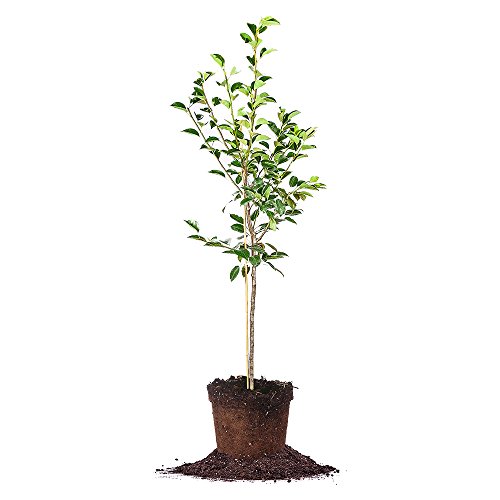
The Kieffer Pear is a historic cultivar with a crisp, sweet flavor perfect for eating fresh, baking, or cooking. It is noted for a wide growth range, thriving in hardiness zones 4-9, making it adaptable for many Zone 6 landscapes. This 5-6 ft live plant includes a special fertilizer blend and planting guide to support establishment. Pears typically ripen by September after a few years, adding reliable late-summer fruit to the home orchard.
Florida Glo Peach Tree — Low Chill Self-Pollinating

Florida Glo is a low-chill, self-pollinating peach variety suited for Zone 6 climates. The tree ships 3 to 4 feet tall and is ready to transplant, with a focus on full sun and well-drained soil. It is designed to thrive in zones 4 through 8, providing a dependable harvest even in cooler springs. California restrictions may apply to shipments, so confirm availability before ordering.
Contender Peach Tree — Self-Pollinating

The Contender Peach is a self-pollinating variety that performs well in zones 5-8. This 2–3 feet tall live plant ships with the promise of robust growth in a sunny site. It’s described as having winter dormancy with no leaves in the winter, and California shipments may be restricted. Suitable for Zone 6 gardens seeking dependable early to mid-season peaches.
Red Delicious Apple Tree — Classic Crisp Flavor

Red Delicious is a well-known apple cultivar with classic deep red fruit. The listing notes potential agricultural shipping restrictions to certain states, so verify state availability. The tree is described as a fast-growing, fruit-bearing option suitable for fresh eating and cooking. The 1-gallon nursery stock typically reaches 2–3 feet in height, aligning with Zone 6 orchard planning.
Belle of Georgia White Peach Tree — Sweet White-Flesh Peaches
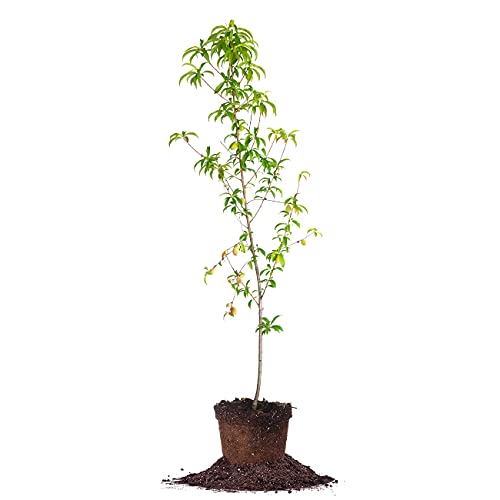
The Belle of Georgia White Peach offers a white-fleshed fruit with a reputation for good flavor and productive yields. This 4–5 ft tall tree is described as self-fertile or self-pollinating, suitable for Zones 5–8 and moderate chill hours around 800. It’s positioned as an ideal choice for homeowners who want reliable peaches without needing a second pollinator.
Buying Guide: Key Purchase Considerations For Zone 6 Fruit Trees
- Climate fit: Look for varieties labeled for Zone 4–9 or Zone 5–8 to ensure hardiness and reliable winter survival in Zone 6.
- Pollination needs: Self-pollinating trees offer simpler setups for small yards, but some varieties still benefit from cross-pollination for larger yields.
- Chill hours: Zone 6 gardeners should compare chill hour requirements (roughly 600–900 hours for many peach and peach-pear blends) to local winters to ensure fruit set.
- Rootstock and size: Dwarf or semi-dwarf trees are easier to manage in yards, while standard trees provide larger mature sizes and longer lifespans.
- Soil and sun: Most fruit trees prefer full sun (at least 6–8 hours) and well-drained soil. Amendments can improve drainage and nutrient availability.
- Water and maintenance: Establish a consistent watering routine, especially during dry spells and fruit set. Mulching helps retain moisture and reduce weeds.
- Pest and disease resistance: Consider varieties with known resilience or check regional recommendations for Zone 6 pests and fungal pressure.
- Shipping restrictions: Some listings note regional restrictions (e.g., California). Verify availability for your state before purchase.
- Container options: If space is limited, container-friendly options with appropriate roots and cultivar vigor can enable seasonal mobility and winter protection.
When planning a Zone 6 fruit garden, mixing pears, peaches, and apples offers a staggered harvest window from late summer into fall. Pairing self-pollinating varieties with friends across the orchard can also optimize yield without needing multiple compatible cultivars. Always monitor for winter damage in late-season freezes and provide winter protection where necessary to maximize your trees’ long-term health and productivity.