Garden health depends on pollinators, and a well-placed bee box can attract mason bees and other beneficial pollinators. The products below represent popular, durable options designed to support solitary bees while blending with outdoor spaces. Each entry includes key features, so you can compare build quality, materials, and access to nesting tubes. Use this guide to choose a bee box that fits your garden size, climate, and maintenance preferences.
Summary of selected products:
| Product | Brand | Key Features | Size / Capacity |
|---|---|---|---|
| Mason Bee House Native Bee Hive Hexagon Bee House | hewewor | Deluxe hexagon design, solid pine, ~90 nesting tubes, hanging rope | 8″ x 8″ x 4″ / 20cm x 20cm x 10.5cm |
| WildYard Bee House | WildYard | Multi-size nesting tubes, sustainable wood, biodiversity focus | Large, varied tubes |
| Elipark Wooden Mason Insect Bee Butterfly House | Elipark | Natural materials, variety of bugs, weather-tolerant | 9 x 16 x 3 Inches |
| TOOBEETT Mason Bee House Wax Coated | TOOBEETT | Wax-coated, weather resistant, long service life | 6.69 x 7.67 x 11.81 inches |
| Mason Bee House – Wax Coated Bee Hotel | POLLIBEE | Waterproof, ready to use, supports pollinators | Standard wooden box size |
Mason Bee House Native Bee Hive Hexagon Bee House

The hexagon design provides multiple cavities that mimic natural hollow stems, attracting mason bees to shelter and lay eggs. Made from solid pine, this bee hotel aims to remain durable in outdoor conditions and reduce maintenance. It includes roughly 90 nesting tubes, a hanging rope, and a metal wall buckle for secure mounting. The structure helps keep tubes dry to minimize disease risk among pollinators. Size is compact for small to mid-size gardens, making it suitable for balcony or yard placement.
WildYard Bee House

This solid wood bee house emphasizes biodiversity by welcoming a mix of solitary bees and other pollinators. It features nesting tubes of varying sizes to attract different species, creating a pollinator-rich habitat in your garden. Constructed from sustainable wood, the WildYard box supports eco-friendly gardening and provides a natural, inviting space for pollinators to nest and emerge. It’s designed to be a long-lasting addition to outdoor spaces and supports ongoing pollination efforts in your landscape.
Elipark Wooden Mason Insect Bee Butterfly House

Elipark offers a versatile insect hotel designed to host mason bees, butterflies, ladybugs, and more. The unit emphasizes natural materials, including pine wood and bamboo, with no paint to maximize safety for pollinators. Its larger capacity enables more insect habitats, potentially improving garden biodiversity. This option suits gardeners seeking a multi-use habitat that doubles as a decorative feature in outdoor spaces while supporting a range of beneficial insects.
TOOBEETT Mason Bee House Wax Coated
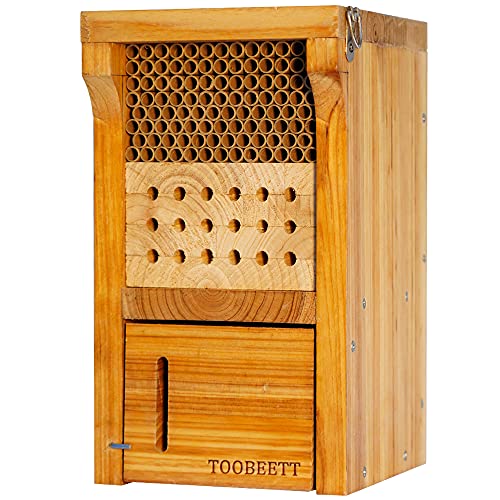
Loaded with a long, tube-based nesting design, this wax-coated bee house is built to withstand weather and heat. The outer shell uses sturdy wood with stainless steel screws and a galvanized buckle system for hanging and mounting. Tubes are long enough to accommodate solitary native bees, with a 5/16 inch diameter that suits mason bees well. The wax coating adds water resistance, helping protect residents through varying seasons and moisture levels.
Mason Bee House – Wax Coated Bee Hotel

This wax-coated bee hotel is a ready-to-use, assembled wooden mason bee house designed to attract peaceful pollinators. The waterproof, durable coating helps maintain nesting conditions and protects against rain. The natural wood construction encourages healthy development of mason bees, contributing to garden pollination without requiring extensive setup or tools. It’s a practical, beginner-friendly option for gardeners beginning their pollinator-friendly projects.
Buying Guide: Key Purchase Considerations
- Pollinator types: If you primarily want mason bees, prioritize boxes with multiple, narrow tubes (about 5/16 inch diameter). For a broader mix of pollinators, look for nesting tubes of varying sizes.
- Materials and durability: Natural woods (pine, spruce) with weather-resistant coatings last longer in outdoor conditions. Wax coatings add water resistance, while painted surfaces may affect long-term safety for some insects.
- Ventilation and moisture control: Choose designs with properly spaced tubes and breathable housings to minimize mold and disease risk among inhabitants.
- Maintenance: Boxes with removable or replaceable nesting tubes simplify cleaning and tube refreshing between seasons, improving population health.
- Mounting options: Consider whether you need wall mounting, hanging, or freestanding setups. Secure, predator-resistant mounting helps protect residents from wind and pests.
- Garden fit: Assess size relative to your garden and the surrounding flora. Position near flowering plants to maximize pollination opportunities.
- Eco impact: Opt for sustainably sourced wood and environmentally friendly finishes to align with broader conservation goals.
- Ease of use: For beginners, pre-assembled boxes with clear mounting instructions save time and reduce setup error.
- Maintenance plan: Plan seasonal checks for moisture, tube cleanliness, and hornet or wasp activity that could deter pollinators from using the box.
- Aesthetics: While function is primary, many boxes double as garden features. Choose designs that complement your outdoor décor.
To maximize benefits, place bee boxes in a sunny, sheltered spot with exposure to uplifting morning sun, and near diverse flowering plants. Regular observation during favorable weather can help you monitor activity and understand how the habitat supports local pollinators. For best results, pair boxes with additional pollinator-friendly practices such as native plantings and reduced pesticide exposure.