Ornamental grasses bring texture, movement, and year‑round interest to landscapes. This guide highlights five standout options, drawn from reliable sources and widely adaptable to American gardens. Each pick adds color, structure, and resilience without demanding excessive maintenance. Read on to compare growth habits, light needs, and overall appeal to help decide which grasses fit your beds, borders, or privacy screens.
| Product | Brand | Link |
|---|---|---|
| Grasses: Versatile Partners for Uncommon Garden Design | Storey Publishing | View |
| Gardening with Grasses | Timber Press | View |
| Calamagrostis ‘Karl Foerster’ (Feather Reed) | Perennial Farm Marketplace | View |
| The Encyclopedia of Grasses for Livable Landscapes | Timber Press | View |
| Pack 2 Pampas Grass Plants | TANKDA | View |
Grasses: Versatile Partners for Uncommon Garden Design

This title from Storey Publishing centers on how grasses can act as flexible partners in creative garden design. While not a single plant profile, it provides ideas for integrating grasses with uncommon plant combinations and structures. It emphasizes arrangement strategies, seasonal texture, and maintenance considerations that influence long‑term landscape appeal. The paperback format makes it a practical reference for hobbyists and professional designers seeking design inspiration and practical tips. The focus is on pairing grasses with other landscape elements to achieve cohesive, eye‑catching compositions.
Key considerations include selection mindset, scale, and rhythm. The book discusses how grasses can define pathways, soften edges, or frame focal points. Readers can translate these concepts into real‑world planting plans, especially in varied American climates where microclimates affect growth. While it does not replace a specific plant catalog, it complements hands‑on projects by offering design frameworks that are particularly suitable for mixed borders and artistic landscapes.
Gardening with Grasses
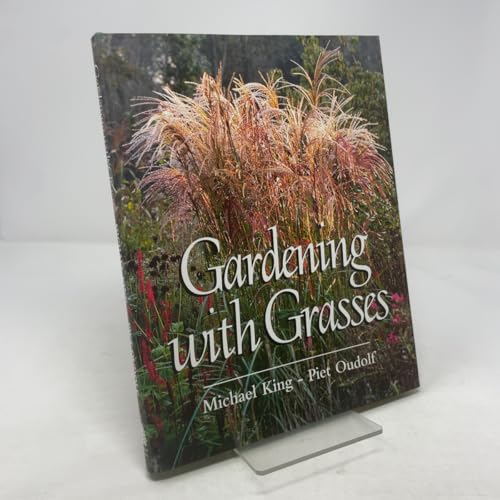
Timber Press’s “Gardening with Grasses” curates practical guidance for planting, maintaining, and pairing grasses in temperate gardens. The book covers a range of species, highlighting growth habits, soil preferences, and seasonal interest. It is especially useful for readers seeking a robust reference on perennial grasses that perform reliably across USDA zones. The guidance leans toward long‑term planning, compatible companion plants, and methods to reduce maintenance without sacrificing design impact.
Readers can expect tips on site evaluation, sunlight mapping, and moisture management. The text addresses varied conditions from sunny beds to partial shade, helping gardeners tailor grass selections to microclimates. It also discusses when to divide clumps, how to manage tall varieties near walkways, and how to use grasses to create movement and sound in landscapes. The emphasis remains practical, with concrete steps and plant examples for everyday landscapes.
Calamagrostis Karl Foerster (Feather Reed)

Calamagrostis x acutiflora ‘Karl Foerster’ is celebrated for its upright form, golden‑tipped feathery plumes, and reliable performance. This ornamental grass thrives in full sun but tolerates some shade, making it adaptable for borders, screens, and prairie‑inspired landscapes. It typically forms a tall, arching clump with flower spikes rising well above the foliage in late spring to early summer. The species is known for drought tolerance once established and for its adaptability to a range of soil types as long as drainage is adequate.
Considerations include spacing (roughly 30 inches apart for best air circulation), seasonal maintenance (removal of old foliage can be done in late winter or early spring), and potential regional shipping restrictions. It is a versatile anchor plant that can pair with woodies, perennials, and other grasses to create structured, formal lines or relaxed, naturalistic displays. Its year‑round presence adds vertical interest even in winter when seed heads persist.
The Encyclopedia Of Grasses For Livable Landscapes

This Timber Press reference gathers extensive information on a wide range of grasses suitable for American landscapes. It supports landscape professionals and serious gardeners seeking depth beyond typical cultivation notes. The encyclopedia covers identification, cultural requirements, design applications, and ecological considerations, helping readers select grasses that fit specific sun exposure, soils, and climate zones. The comprehensive approach makes it a valuable companion for designing cohesive grass‑focused gardens or integrating grasses into mixed plantings with confidence.
Practical takeaways include zone suitability, moisture needs, and potential companion species. The guide helps readers compare drought tolerance, crowding tendencies, and flowering seasons. Whether planning a low‑maintenance border or a dramatic architectural planting, this resource provides the background to make informed, durable choices in diverse American settings.
Pack 2 Pampas Grass Plants

Pampas grass offers bold, architectural presence with tall, plume‑like inflorescences that make a strong statement in large landscape settings. This mixed pack from TANKDA provides sturdy clump forming grasses suited for outdoor garden landscaping. Pampas grasses are generally drought‑tolerant once established and can serve as privacy screens, focal points, or windbreaks. They prefer full sun and well‑drained soil, with some varieties tolerating partial shade. Soil moisture should be monitored to prevent root rot in overly wet conditions.
Key design considerations include mature height, seasonal color, and maintenance needs. The tall plumes can provide movement with breeze, catching light at different times of day for evolving visual interest. When planning with pampas grasses, space appropriately to avoid overcrowding and to give the tall inflorescences room to shine. They pair well with hardy perennials and evergreen textures to anchor gardens through winter months.
Buying Guide: Key Purchase Considerations For Ornamental Grasses
Choosing ornamental grasses involves assessing climate, site conditions, and long‑term maintenance. Consider these perspectives to balance aesthetics with practicality:
- Climate and Hardiness: Check USDA zones and regional rainfall patterns. Some grasses tolerate drought once established, while others prefer consistent moisture. Plant success depends on selecting varieties that match your local climate.
- Sun Exposure: Most ornamentals need full sun for best plumes and compact growth. Partial shade can reduce flowering and alter growth habit; choose shade‑tolerant varieties for shadier spots.
- Soil and Drainage: Well‑drained soil supports healthier root systems and reduces disease risk. Amend heavy soils if necessary or select drought‑tolerant varieties for wetter sites.
- Size and Scale: Consider mature height, spread, and seasonal interest. Use taller grasses as backdrops or focal anchors and shorter cultivars along borders for layered textures.
- Maintenance Degree: Some grasses require minimal pruning, while others benefit from seasonal cleanup to preserve form and health. Plan for dividing or refreshing clumps when they become crowded.
- Color and Texture: Explore a mix of foliage colors (green, blue, gold) and textures (fine, medium, or broad blades) to achieve dynamic contrasts in different seasons.
- Water and Fertility Requirements: While many grasses are drought‑tolerant, establishment often benefits from regular watering. Use light, balanced fertilization if needed, especially in poor soils.
- Winter Interest: Choice of seed heads and dry foliage can extend visual appeal into winter. Consider if you want persistent texture or a cleaner, tidier look after frost.
- Maintenance Footprint: Plan for ease of access around tall clumps and around edges near paths or driveways to prevent crowding and ensure safe mowing or trimming.
- Ecological Considerations: Some grasses produce lightweight seeds or aggressive growth. Be mindful of local regulations and invasive potential in your area, and choose cultivars with stable, manageable growth.
In sum, ornamental grasses offer resilient structure and year‑round texture. By matching plant characteristics to site conditions and visual goals, you can craft landscapes that remain engaging through seasonal changes. Use the featured options as starting points for designing borders, screens, or focal points that suit American gardens from coast to coast.