Stocking a pond with the right fish enhances both ecosystem balance and visual appeal. The following selections focus on hardy species, compatibility, and easy care for American ponds and outdoor setups. Each pick provides distinct color, size, and behavior that suit beginners and seasoned pond owners alike. Review the options below to choose species that fit your pond’s volume, climate, and feeding routines.
| Product | Type | Ideal For | Key Benefit |
|---|---|---|---|
| Toledo Goldfish Crayfish | Live Crawdads | Ponds and Aquariums | Adds dynamic activity and scavenging behavior |
| Toledo Goldfish Koi and Goldfish Starter Pack (3-4 in) | Koi & Goldfish Combo | Beginners, Mixed Species | Vibrant starter assortment |
| Toledo Goldfish Koi and Goldfish Starter Pack (4-5 in) | Koi & Goldfish Combo | Beginners, Mixed Species | More substantial, balanced display |
| Toledo Goldfish Rosie Red Minnows | Feeder/Ornamental Minnows | Aquariums and Ponds | Fast breeding and easy care |
| Toledo Goldfish Comet Feeder Goldfish | Goldfish | Ponds, Tanks, Aquariums | Natural live food source for other species |
When selecting fish for pond stocking, consider pond size, water quality, and temperature range. Small ponds may benefit from hardy, slower-growing species that don’t overwhelm the ecosystem, while larger ponds offer space for more active or varied species. It’s essential to avoid overcrowding and to ensure compatible feeding behavior to maintain water quality and reduce stress among fish. The following product-focused sections provide practical details to help you plan a balanced and attractive pond population.
Crawfish Add Dynamic Pond Activity

Toledo Goldfish Crayfish provide a different kind of pond motion. Ranging from 2 to 5 inches, these crawdads add scavenging activity beneath the surface, which can enhance algae control through natural feeding behavior. As a family-owned operation, Toledo Goldfish emphasizes quality and a homegrown upbringing for their live crayfish, which can contribute to a balanced bottom-dwelling dynamic in a compatible pond. When introducing crawfish, provide ample shelter and avoid crowding with overly sensitive or small fry that could be stressed by their activity. Regular monitoring helps ensure a peaceful coexistence with other fish species.
Koi And Goldfish Starter Pack, 3-4 Inches

This starter set combines a lively mix of Standard Fin Koi, Butterfly Fin Koi, Shubunkins, Sarasa Comets, and Common Goldfish. It’s designed with beginners in mind, offering a visually pleasing blend of colors and patterns that can jump-start a vibrant pond display. For stocking considerations, ensure the pond provides shaded areas and gentle filtration to support both koi and goldfish. The 3-4 inch size is suitable for a gradual introduction and growth into a balanced community as the pond matures.
Koi And Goldfish Starter Pack, 4-5 Inches
This larger starter pack mirrors the 3-4 inch version but offers more substantial specimens for ponds with existing filtration and more space. The mix emphasizes a dynamic range of fin shapes and color palettes, contributing to a balanced, visually appealing ecosystem. As with any multi-species setup, monitor compatibility, aggression levels, and feeding routines to maintain harmony among the varied koi and goldfish types over time.
Rosie Red Minnows: Colorful Feeder And Ornamentals

Rosie Red Minnows are a pink variety of fathead minnows that serve as a nutritious feeder for other aquarium and pond residents, while also adding lively movement to the water. Ranging from 0.5 to 3 inches, they thrive in a range of temperatures and are prolific breeders under favorable conditions. Their light pink coloration adds a splash of brightness, and their omnivorous diet aligns with common pond feeding practices. For pond settings, provide ample schooling space and consider their reproductive potential when planning stocking density and filtration capacity.
Comet Feeder Goldfish: Natural In-Pond Food Source
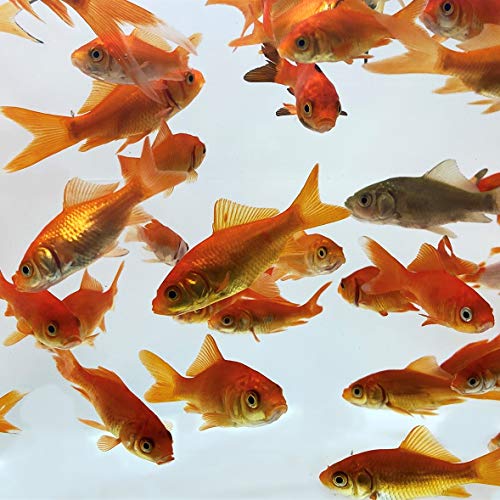
The Comet Feeder Goldfish adds a classic look to ponds and acts as a natural, living food source for other pond inhabitants. Measuring 2 to 2.5 inches, these fish are suitable for stocking alongside larger koi or goldfish, contributing to a varied, balanced community. Born and raised on a family farm in the USA, these fish emphasize quality and health-conscious farming practices. They’re a practical choice for ponds that rely on natural feeding cycles and want to diversify visual interest with slim, streamlined bodies.
Catfish Food For Pond Health

While not a fish, appropriate feeding is essential for pond balance. This 50-pound bag of catfish food (32% protein, 4% fat) supports bottom-dwelling species and helps maintain water quality by providing a balanced diet. For pond keepers stocking a mix of koi, goldfish, and bottom feeders, selecting a high-quality, species-appropriate feed helps reduce excess waste and supports health across the pond community. Ensure feeding practices align with temperature and activity levels to maximize digestion and minimize water quality issues.
Sarasa Comet Goldfish: Red And White Patterned Beauties

The Sarasa Comet Goldfish feature white bodies accented with red patterns, offering an appealing contrast to other goldfish varieties. Born and raised on a family farm in the USA, these fish are bred for resilience and health. Their slim bodies and straight tails create an elegant, continuous line as they swim, which can enhance the visual dynamics of a mixed pond. They pair well with koi and other goldfish, provided the pond has adequate filtration and space to accommodate growth and movement.
TetraPond Pond Sticks: Easy-To-Digest Food

Feeding plays a critical role in pond maintenance. TetraPond Pond Sticks are designed as a healthy daily diet for goldfish, koi, and other outdoor fish. Floating sticks simplify feeding, aiding digestion and reducing waste by allowing fish to feed at the surface and mid-water levels. Regular, controlled feeding supports healthier growth, clearer water, and a more balanced ecosystem. Adjust portions based on water temperature, fish activity, and pond size to minimize overfeeding and nutrient buildup.
Buying Guide: Key Purchase Considerations For Pond Stocking
- Pond size and depth: Choose species that suit your pond’s volume and available shelter. Overcrowding can rapidly degrade water quality.
- Temperature and climate: Some species tolerate a wide range of temperatures, while others require temperate conditions. Plan for seasonal changes or potential winterization needs.
- Compatibility: Research interactions among koi, goldfish, minnows, and bottom-dwellers. Avoid aggressive residents with sensitive counterparts.
- Feeding strategy: Select fish with feeding habits that align with your maintenance plan. Consider live food sources carefully to prevent imbalances.
- Water quality: Regular monitoring of ammonia, nitrite, nitrate, and pH helps maintain a healthy environment for diverse species.
- Growth potential: Some fish grow much larger than others. Ensure filters and space scale with eventual adult sizes.
- Breeding and population management: Prolific breeders require climate-aware planning to prevent overpopulation and stress on the ecosystem.
- Local regulations: Some species may have restrictions in certain regions. Verify local wildlife and aquarium rules before purchasing.
- Maintenance requirements: Species-specific needs, such as shelter, filtration, and substrate preferences, influence long-term pond health.
How To Plan A Balanced Pond Population
- Start with a core group of hardy, non-aggressive species and gradually add others as the pond matures.
- Provide ample hiding spots and gentle currents to reduce stress and support different behavioral traits.
- Establish a consistent feeding routine with high-quality pond food to optimize digestion and water quality.
- Use a reliable filtration system and consider beneficial bacteria to maintain a stable biological balance.
- Schedule periodic water testing to catch imbalances early and adjust stocking or feeding as needed.