Thin strips of natural wood can transform garden outlines, define flower beds, and keep mulch in place. This guide highlights five top wooden edging options, focusing on durability, ease of installation, and adaptability for different yard designs. Each product section includes practical details drawn from listed features to help you compare performance and value for American gardens.
| Product | Brand | Key Benefit |
|---|---|---|
| Flexible Brown Natural Lawn & Landscape Border Edging (8-Pack) | Eco-Green Wood Products | Flexible, DIY-friendly borders with connectors for custom lengths |
| Newflager 4 Pack Garden Wooden Fence Edging | Newflager | Carbonized wood with metal-wire flexibility for varied shapes |
| Backyard X-Scapes Natural Eucalyptus Wood Log Edging | FOREVER BAMBOO | Solid-log eucalyptus borders; rot-resistant and durable |
| Garden Border Edging Landscape Edging Border Wood Fence | PULIJIAJU | Easy hammer installation; shape versatility with metal wires |
| Mulctun Wood Garden Edging | Mulctun | High-temperature carbonized wood; weather- and corrosion-resistant |
The following sections cover five carefully chosen options, each with practical installation notes and what to expect in daily use. The focus is on durability, ease of assembly, and the ability to keep beds clean and defined without extensive maintenance.
Flexible Brown Natural Border Edging by Eco-Green
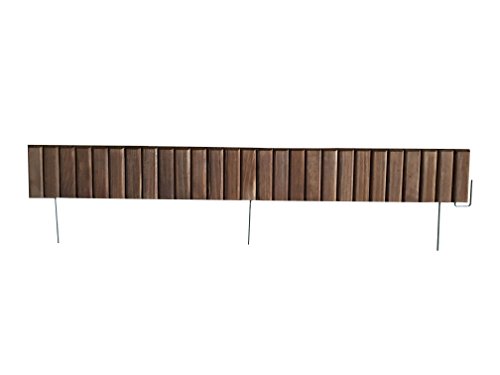
Eco-Green Wood Products offers a flexible edging system designed to create continuous, decorative borders around flower beds, lawns, and walkways. The kit includes a unique connector pin attached to the bottom of the edging, allowing you to extend any length quickly and maintain a clean line. The design supports DIY installation, making it suitable for weekend landscaping projects. This option works well for curved borders or irregular layouts where rigid edging would be difficult to fit.
Newflager Flexible Garden Border Edging

Newflager’s 4-pack uses carbonized wood for enhanced corrosion and weather resistance. Inside, a metal wire provides flexibility to shape borders in lawn, garden, and yard installations. This edging is positioned as a versatile border solution, capable of forming straight edges or curving borders as needed, which is ideal for layered garden designs or irregular plots where straight-line edging falls short.
Backyard X-Scapes Eucalyptus Wood Border
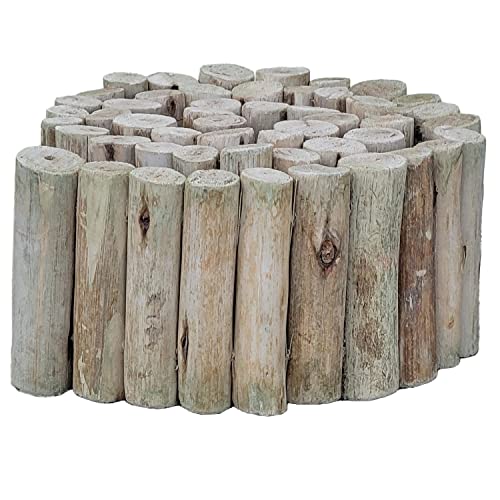
FOREVER BAMBOO’s eucalyptus log edging provides a natural, rustic appearance with strong durability. Marketed as a decorative border that also resists decay better than some softwoods, it’s a great match for plant borders and flower beds where a bold, natural statement is desired. The product emphasizes simple placement without additional supports, relying on the weight and integrity of the logs to maintain position in the soil.
PULIJIAJU Garden Border Edging

PULIJIAJU offers easy installation with hammer-on-ground insertion and internal metal wires that connect sections for versatile shapes. Constructed from high-temperature carbonized wood, these edges are designed to resist corrosion and weathering over time, reducing maintenance while preserving a natural wood look along borders and pathways. The system is suitable for defining beds with multiple curves and angles.
Mulctun Wood Garden Edging

Mulctun’s edging packages feature a taller profile (11.8 inches) suitable for more pronounced borders or flower beds. The wood is treated through high-temperature carbonization to enhance durability and resistance to weathering. This option is well-suited for properties with more extensive borders or where a clearer, higher border line is desired. A 4-pack setup helps establish longer continuous borders or multiple borders across a yard.
Buying Guide
Key considerations when choosing wooden edging include material durability, weather resistance, and installation method. For durability, look for carbonized or pressure-treated wood that resists rot and warping; solid hardwoods like eucalyptus also offer robust performance but may be heavier. Installation methods vary: some edging systems use internal metal wires for flexible shaping, while others rely on simple hammer-in designs. Flexibility is valuable for curved beds, but rigid options can provide a crisp, formal look.
- Climate and soil: In wetter climates, choose rot-resistant wood and consider treatments that shield from moisture.
- Border height: Taller borders reduce soil spillover and are more visually prominent; shorter borders are more subtle and blend into the landscape.
- Maintenance: Some borders require little upkeep after installation, while others may benefit from periodic sealing or staining.
- Installation effort: If you lack power tools, select edging that installs with simple hammer or manual methods; flexible systems can reduce cutting and fitting.
- Aesthetics: Natural wood tones pair well with native plants, while darker or more finished options create a structured look for formal gardens.
Across these options, the common advantages include defining spaces, reducing lawn encroachment, and adding visual separation between beds and paths. When selecting, compare the total length available in each pack, the ease of shaping, and how well the material complements your existing garden style. For DIYers, a flexible system with clear connectors and straightforward installation often yields the best mix of speed and results. For formal designs, higher borders and cleaner lines may require stiffer, uniform sections.