Protecting vegetables, fruits, and ornamental plants from pests and critters is essential for a thriving garden. This guide highlights the best garden nets that create a physical barrier while still allowing sunlight, air, and water to reach plants. Each option below offers different coverage, mesh size, and durability to fit various yard sizes and needs.
Summary of Selected Products
| Product | Brand | Size / Coverage | Key Use |
|---|---|---|---|
| Bird Netting for Garden Protection | LCHUANG | 4 Pack; 3.3 ft x 2.7 ft each | Bird and insect protection for vegetables, berries, and potted plants |
| Garden Netting Pest Barrier | Garden Tailor | 4 ft x 10 ft | Broad protection for rows, beds, and containers |
| Feitore Deer Fence Netting | Feitore | 7 ft x 100 ft | Deer and larger animal protection |
| 2 PCS Garden Plant Trellis Netting | Sukh | 5 ft x 15 ft each | Support for climbing plants and vines |
| Jevrench Garden Netting | Jevrench | 4 ft x 25 ft | Ultra-fine barrier for general garden protection |
Bird Netting for Garden Protection

The LCHUANG bird netting is designed for orchards, greenhouses, and patios. It serves as a barrier against insects and birds while protecting fruits, vegetables, and potted plants. The net uses a zipper-based design to simplify setup and secure coverage. It is lightweight, constructed from PE material, and is durable enough for repeated use without adding pressure on plants. The drawstring adjustment helps tailor fit over individual plants or small clusters.
Usage notes emphasize ease of installation: place the net over the target plant, tighten the rope, and secure the edges to keep intruders out. The transparent material ensures light transmission and minimal visual obstruction. While effective for birds and insects, users should ensure the net is elevated away from delicate new growth to avoid entanglement. Suitable for blueberries, tomatoes, and other fruits and vegetables.
Garden Netting Pest Barrier
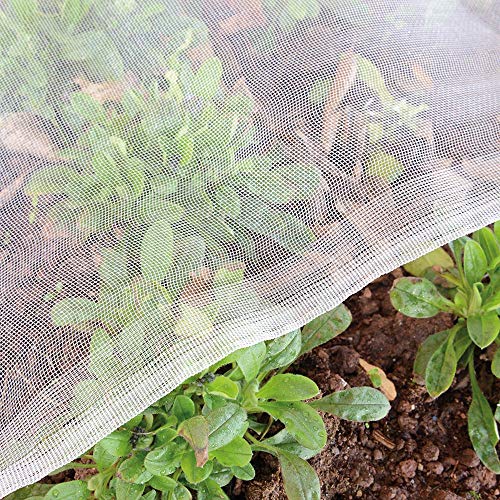
Garden Tailor’s 4’x10′ garden netting offers all-purpose protection for beds, raised planters, and greenhouse rows. Its 100% HDPE construction is UV-resistant and designed to withstand outdoor exposure. The netting is light yet sturdy, with a tight selvedge to prevent unraveling. It’s positioned as a versatile barrier against a broad range of pests, including cicadas, aphids, and other garden invaders, while still permitting airflow and light to the plants.
Designed for flexibility, it can be used indoors or on windows for extra protection. The product promises durability and long service life, making it suitable for gardeners who need a reliable barrier across multiple seasons. The wide coverage helps reduce the number of netting installations required for large or multiple beds.
Feitore Deer Fence Netting
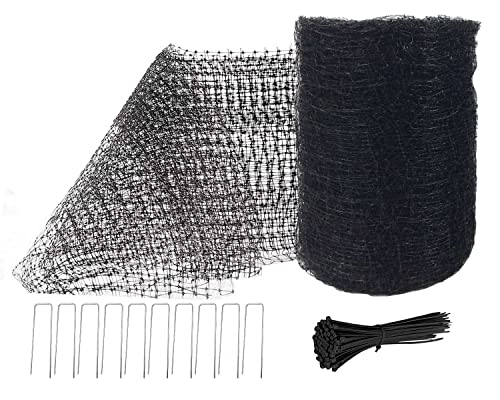
Feitore’s deer fence netting is a robust option for protecting larger garden spaces and fruit trees from deer and other sizable animals. The 7 ft x 100 ft roll uses a 3/4 inch square mesh to balance protection with plant growth. The kit includes installation nails and cable ties for quick setup. Made from polypropylene, the netting is lightweight yet heavy-duty, designed to resist tearing, tangling, and exposure to the elements. It can also function as bird or rabbit netting, offering multi-use versatility.
Key considerations include ensuring proper tension and support to prevent sagging, which could create gaps. The mesh size is chosen to minimize animal passage while not restricting plant growth. Regular inspection is recommended to maintain barrier effectiveness, especially after storms or heavy winds.
2 PCS Garden Plant Trellis Netting

Sukh offers a 5 x 15 ft trellis netting, designed to support climbing plants such as tomatoes, cucumbers, beans, and eggplants. Made from durable polyester nylon, the mesh is strong enough to bear heavy crop loads while remaining reusable. The netting’s grid size (6 x 6 inches) provides a stable framework for vertical growth, letting plants climb naturally along the structure. It’s adaptable for horizontal or vertical setups depending on the plant’s growth pattern, and is suitable for use in grow tents as well as outdoor beds.
Installation involves attaching the net to a frame or posts, then training vines to the mesh. The product emphasizes ease of cut-to-size flexibility, allowing gardeners to tailor coverage to their bed shape. Regular checks help ensure that vines don’t become entangled and that airflow remains unobstructed.
Jevrench Garden Netting

Jevrench presents a 4 ft by 25 ft ultra-fine garden netting, designed to shield vegetables, fruits, and flowers from a broad range of unwelcome visitors. The mesh is 0.8 mm by 1 mm, providing a tight barrier while still allowing air, light, and water to pass through. The material is a transparent PE netting that emphasizes durability and reusability, with a claim of lasting 3–5 years with proper care. The large sheet size reduces the frequency of re-installations for larger crops and garden sections.
Users should consider soil moisture and plant height to determine how to position the netting to avoid shading or moisture buildup. The product is suitable for row covers, orchards, and mixed beds, offering protection without sacrificing growth potential.
Garden Netting, Plant Covers 10x33Ft
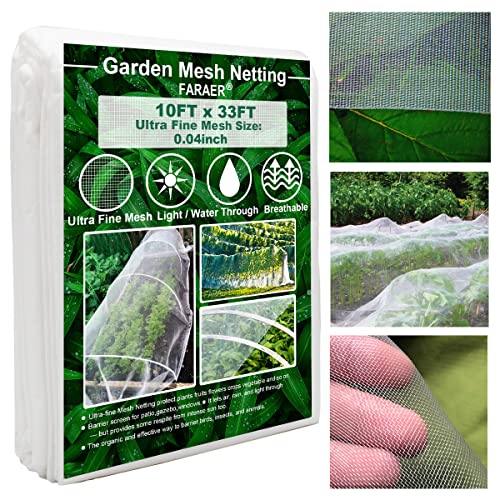
FARAER’s 10×33 feet ultra-fine garden netting provides broad coverage with a mesh size of 0.8 mm by 1 mm. The design emphasizes airflow, light penetration, and water passage through the netting, making irrigation and fertilization straightforward without removing the cover. The product is marketed as an all-purpose barrier for pastures, orchards, and gardens, with suitability for indoor or window use. The fine mesh also offers some protection against dust while maintaining photosynthesis for the plants beneath.
Consider this netting for larger beds or multiple crop rows. As with other large sheets, securing the edges firmly is essential to prevent wind uplift and maintain an even barrier across uneven terrain.
Buying Guide: Key Purchase Considerations
- Mesh size and target pests: Smaller mesh (around 0.8 mm x 1 mm) keeps out small insects while still allowing light and moisture. Larger mesh is better for deer or larger pests but may require reinforcement.
- Material and durability: Look for UV-resistant HDPE or PP, especially for long seasons. Reusability is a major cost saver for avid gardeners.
- Coverage and shape: Consider bed dimensions, tree canopies, and whether you need rectangular sheets, circular covers, or adaptable nets with drawstrings or edges suitable for staking.
- Installation and maintenance: Nets with drawstrings or easy-tension systems simplify setup. Ensure edges are secured to prevent wind from lifting the netting.
- Light, air, and water passage: Fine nets should minimize shading and moisture retention while allowing photosynthesis and irrigation to proceed normally.
- Multi-use potential: Some nets double as trellises or row covers, offering versatility for different crops and seasons.
- Storage and lifespan: Proper cleaning and drying extend life. Check for signs of wear, such as holes, tears, or stretched edges, before reuse.
When selecting a garden net, align the choice with your specific garden layout, climate, and the type of pests you encounter. A combination approach—netting for insect protection on fruiting crops and a deer barrier for perimeters—can maximize yields while preserving plant health.