Choosing the right lime-based product can help reduce insect pressure around homes, gardens, and landscape beds. This article highlights practical lime and limestone options along with complementary insect-control solutions. Each option appears with key features to help you compare effectiveness, application, and scope—from outdoor deterrents to indoor plant protection.
Summary of chosen products:
- First Saturday Lime Insect Deterrent-20LB Bag — First Saturday Lime
- First Saturday Lime 5lb Bag — First Saturday Lime
- Fine Ground Limestone Powder 50 lb — CountryMax
- BioAdvanced Houseplant Insect & Mite Control — BioAdvanced
- Bonide Insecticidal Soap, 32 oz Ready-to-Use — Bonide
First Saturday Lime Insect Deterrent-20LB Bag

Product highlights emphasize outdoor and boundary protection. This 20-pound bag is designed to deter ants, mites, ticks, and cockroaches when applied around gardens, homes, garages, and other buildings. The application approach includes dusting around plants for direct protection or using a spread method around structures. A recommended yard use involves a lawn spreader set to the lowest setting, delivering a light, even coverage to help deter flea and tick activity in yards.
Key features support preventive control: protection for garden plants by direct dusting, perimeter protection for buildings, and a yard-based tick and flea deterrence strategy. The product is positioned as an accessible, broad-spectrum deterrent rather than a contact-kill solution, suitable for those seeking natural or non-chemical deterrence in outdoor spaces.
First Saturday Lime 5lb Bag

This compact option mirrors the 20-pound formulation, offering a 5-pound bag suitable for smaller spaces or targeted use around designated plants. The emphasis remains on deterring insects around gardens and building exteriors. Users can dust around susceptible plants or apply as a perimeter treatment in structures and yards to reduce intruders such as ants and ticks. The same yard-spreader approach can be used at a lower quantity, enabling flexible deployment in tighter spaces.
Product details highlight ease of use, with a focus on preventive protection for gardens and built environments. These lime-based products aim to create an inhospitable barrier for a range of insects through natural formulation, supporting integrated pest management strategies without relying solely on chemicals.
Fine Ground Limestone Powder 50 lb

CountryMax’s fine ground limestone powder is a multi-use product described as all-natural calcium carbonate. Its applications extend to soil health, pH balancing, odor control, and sustainable garden or agricultural use. Safely used in chicken coops, barns, or animal bedding, it also helps with odorous environments and general odor reduction. In horticulture, it supports soil health by neutralizing acidity, which can improve nutrient uptake and root development for lawns, gardens, and crops.
Key considerations include its versatility beyond insect deterrence, enabling it to contribute to a broader soil and pasture management strategy. While not an insecticide itself, its soil pH adjustment can indirectly influence pest dynamics and plant vigor, complementing other control methods in an integrated approach.
BioAdvanced Houseplant Insect & Mite Control
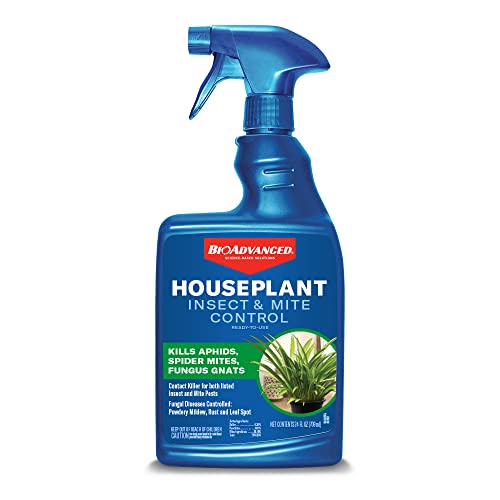
This ready-to-use spray targets a range of indoor plant pests, including fungus gnats, aphids, whiteflies, and mites. It is designed for indoor and outdoor use on houseplants, flowers, and herbs, with a focus on contact action against pests. The product is suitable for users seeking a straightforward solution to protect plant health and reduce pest-related damage. It emphasizes preventive and curative effects through direct contact with target insects and mites.
Important considerations include coverage area, frequency of applications, and compatibility with edible plants. For indoor plant care, selecting a product with a broader pest spectrum can help maintain thriving houseplants and herb growth, particularly where persistent pests like spider mites pose a challenge.
Bonide Insecticidal Soap, 32 oz
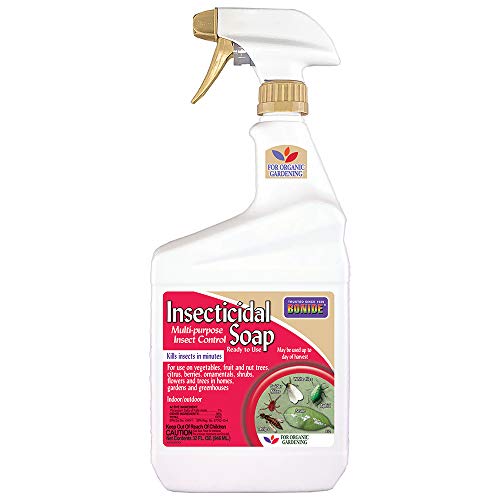
This ready-to-use spray delivers multi-purpose insect control for organic gardening and outdoor residential settings. It targets a wide range of pests including adelgids, aphids, borers, caterpillars, spider mites, and more. The product is designed for exterior use on lawns, ornamentals, vegetables, and greenhouse settings, with direct contact and ingestion effects. It offers flexibility in treating both surface-feeding and piercing-sucking insects, making it a practical option for routine garden maintenance.
Considerations focus on compatibility with plant types, spray coverage, and potential effects on beneficial insects. When used as part of a broader IPM plan, insecticidal soaps can provide effective suppression of pests while minimizing environmental impact, especially in organic or low-chemical contexts.
Buying Guide: Lime, Limestone, And Complementary Insect Controls
- Application scope and setting: Outdoor deterrents (for yards and perimeters) vs. indoor plant protection. Lime-based products generally serve as physical barriers or soil amendments, while spray-based products offer direct insect control.
- Target pests: Tick and flea deterrence in lawns; ants, mites, aphids, whiteflies, and other common pests. Consider products that address your primary pest concerns and the environment (soil, plants, or structures).
- Soil health and pH effects: Fine ground limestone can improve soil health and pH balance, benefiting plant growth and nutrient uptake. This can indirectly influence pest dynamics by promoting resilient plants.
- Product form and coverage: Larger bags provide value for outdoor spaces; smaller bags suit targeted areas. Limestone powders typically require careful spreading to avoid over-application and potential litter issues.
- Safety and compatibility: Read labels for safety, storage, and compatibility with edible crops or houseplants. Dealing with indoor plants requires gentler formulations to prevent harm to humans and pets.
- Integrated pest management (IPM): Combine lime-based deterrents with cultural controls (sanitation, pruning), biological controls where appropriate, and select chemical options as a last resort to reduce resistance risk and environmental impact.
- Usage cadence and seasons: Outdoor deterrents may align with pest activity peaks (spring through fall). Soil amendments typically follow soil testing recommendations and seasonal plant cycles.
- Environment and eco-friendliness: Natural lime products and plant-safe insecticidal soaps can minimize non-target effects. Consider brand transparency and ingredient lists when evaluating options.
In summary, lime-based deterrents offer a natural route to reduce insect intrusions around gardens and homes, especially when used alongside targeted insect-control products. By combining soil health, perimeter protection, and plant safety, you can tailor a balanced approach that minimizes pest pressures while supporting plant vigor and garden sustainability.