Small gardens deserve lush, thriving greenery too. This guide highlights five dwarf trees that fit restricted spaces while delivering visual appeal, easy care, and year‑round interest. Each option is suitable for containers or tight garden beds, making them ideal for patios, balconies, and urban yards. Explore varieties from jade and olive to pomegranate and mulberry, with practical care notes to help you choose what best suits your climate and lifestyle.
| Product | Best For | Care Tip |
|---|---|---|
| Brussel’s Bonsai Live Dwarf Jade | Low maintenance beginners | Bright light; drought-tolerant |
| Wellspring Gardens Dwarf Everbearing Mulberry | Fruit potential in compact spaces | Full sun; steady moisture |
| CitronellaKing 3 Dwarf Olive Trees | Evergreen structure in small beds | Sunny location; prune to shape |
| Brussels’ Live Dwarf Pomegranate | Colorful blooms and fruiting habit | Moderate watering; good drainage |
| MYSHELFIE Dwarf Olive Tree Starter | Beginner-friendly container option | Indoor/outdoor versatility |
Brussel’s Bonsai Live Dwarf Jade Bonsai Tree
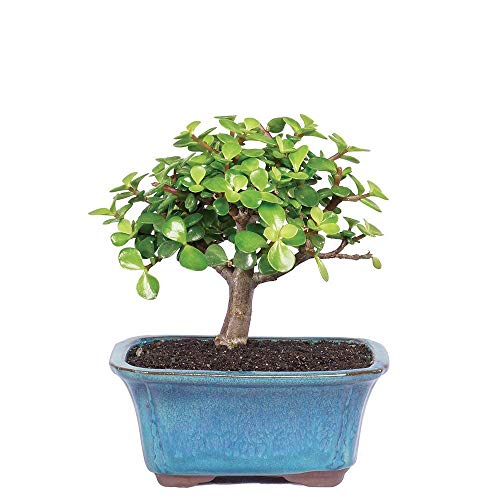
The Dwarf Jade is a succulent bonsai known for a thick upright trunk and compact, green leaves. It is a solid choice for beginners due to its low maintenance requirements and tolerance for varied light. This plant comes with a decorative ceramic bonsai pot that enhances its natural aesthetic and pairs well with modern indoor decor. Care guidance is included to help you shape and maintain its small form over time.
Dwarf Everbearing Black Mulberry Tree

The Dwarf Everbearing Mulberry grows to a manageable height, making it suitable for containers or small yards. It thrives in USDA Zones 5-11 with full sun to light shade and moderate watering. Each plant arrives as a starter in a compact pot, allowing quick transplanting into your landscape or a larger container. It supports long fruiting seasons and can complement other fruit-bearing plants in mixed beds.
3 Dwarf Olive Trees — Olea europaea ‘Montra’

This pack offers three dwarf olive saplings in 2.5-inch nursery cubes, ready to plant. Olive trees bring evergreen structure and drought tolerance to small spaces. They perform well in full sun and can be shaped as compact shrubs or bonsai. The variety is suited for both indoor and outdoor cultivation and adds a Mediterranean touch to urban landscapes.
Brussel’s Live Dwarf Pomegranate Indoor Bonsai

The indoor pomegranate bonsai features a compact 8 to 12 inch height in a decorative container, complete with a humidity tray and decorative rocks. Leaves are glossy and the plant tolerates indoor conditions well, with a drought-tolerant profile. It’s suited to spaces where color and seasonal blooms add visual interest without requiring a large footprint.
MYSHELFIE Dwarf Olive Tree Starter Plant

This starter dwarf olive tree is ideal for beginners, arriving in a small 2-inch pot and designed for indoor or outdoor growth. The plant offers versatility—grow it as a traditional houseplant or shape it into a bonsai. Its compact size makes it perfect for patios, balconies, or small garden beds, with an emphasis on easy care and adaptability.
Buying Guide: Key Considerations For Choosing Dwarf Trees
Selecting the right dwarf tree for a small garden hinges on climate, space, and how you plan to use the plant. Here are important factors to consider from multiple perspectives:
- Space and form: Determine whether you want a compact bonsai, a small fruiting tree, or a perennial evergreen. Dwarf varieties vary in ultimate size and growth habit, so match the mature size to your container or bed space.
- Light requirements: Most dwarf fruiting trees need full sun to perform well and produce fruit. Jade and olive varieties tolerate bright indoor light but still thrive with ample direct sunlight outdoors.
- Watering and drainage: Containers require well‑draining soil and careful watering to prevent root rot. Succulents like dwarf jade prefer infrequent watering, while fruiting trees typically need more regular moisture.
- Climate compatibility: Look for USDA zones and hardiness guidance. Mulberries and olives often tolerate a wide range of climates, but olive trees prefer warmer conditions and may need protection from freezing temperatures in colder zones.
- Maintenance and shaping: If you enjoy pruning and shaping, olives and pomegranates respond well to training into bonsai forms or compact ornaments. Others may be low-maintenance, with minimal pruning needs.
- Indoor vs outdoor suitability: Some dwarf trees are versatile for indoor living spaces, while others are better suited to patios or sheltered outdoor spots. Consider your living environment and how much attention you can give.
- Aesthetic and accessories: Decorative containers, humidity trays, and complementary plant companions can enhance visual appeal and growth conditions. Ensure the pot and soil mix support the plant’s needs.
- Care guidance: Many listings include care instructions or guides. Leverage these resources to establish a routine that sustains color, texture, and growth in small spaces.
In summary, the best dwarf tree for your small garden balances space, light, and your preferred level of maintenance. Whether you want edible fruit, evergreen structure, or decorative bonsai, there are compact options that fit urban patios, balconies, and tiny yards without sacrificing charm or resilience.