Aquarium floating plants offer natural surface shading, nutrient uptake, and a striking visual element for freshwater tanks. This guide highlights five reliable floater plants that perform well in a variety of lighting and water conditions. Each option helps manage nutrients and provides habitat for fry and small fish while adding vibrant color and texture to your aquarium.
| Product | Brand | Leaves / Size | Notes |
|---|---|---|---|
| Aquarigram 40+ Leaves Red Root Floaters | Aquarigram | 40+ leaves | Includes mystery bonus plant; contributes to water quality |
| Red Root Floater Live Aquarium Plants (Phyllanthus Fluitans) | Generic | 40+ leaves | Distinctive red-purple undersides; good for a floating carpet |
| 30+ Leaves Red Root Floaters (Phyllanthus Fluitans) | Shore Aquatic | 30+ leaves | Mystery bonus plant; helps remove toxins |
| Water Spangle, Salvinia Minima (24 Plants) | Aquarium Plant Center | 12+ plants; 60+ leaves per batch | Low light tolerant; lightweight and fast-growing |
| 20+ Leaves Amazon Frogbit (Limnobium Laevigatum) | Aquarigram | 20 leaves | Promotes a healthy, balanced aquarium; mystery bonus plant |
Note: The selected options span a range of leaf counts, colors, and growth habits to suit different tank sizes and lighting setups. Floater plants can reduce nitrate buildup, compete with algae for nutrients, and provide cover for fry without crowding bottom-dwelling species.
Aquarigram 40+ Leaves Red Root Floaters

These floating plants arrive with a combined total of 40 leaves or more, along with a mystery bonus plant. The Red Root Floater variety is known for its ability to contribute to a healthy, balanced aquarium by helping remove ammonia, nitrates, and heavy metals. The compact leaves form a lush surface carpet that can suppress algae by shading the water column. This option is suitable for medium to large tanks with moderate to bright lighting, and the included bonus plant adds value for starting a diverse floater community.
Red Root Floater Live Aquarium Plants, Phyllanthus Fluitans
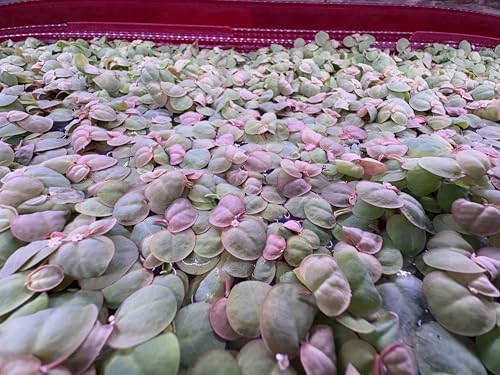
Phyllanthus Fluitans floaters are recognized for their red-tinted undersides and vibrant green tops, creating a striking floating carpet. They thrive under moderate to high light, though they prefer gentle water movement and limited surface agitation. Nutrient uptake helps moderate nutrient levels and discourages algae blooms. This option is well-suited for hobbyists seeking a visually dramatic display with practical biofiltration benefits and relatively easy care.
30+ Leaves Red Root Floaters (Phyllanthus Fluitans)
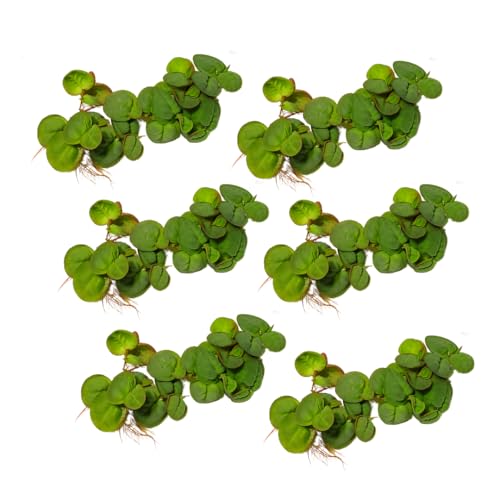
This batch provides at least 30 leaves and often includes a bonus plant. The Red Root Floater variety offers subtle red hues and a hardy growth pattern, making it a dependable choice for new and experienced aquarists. The plant participates in nutrient uptake and can contribute to water quality by reducing ammonia and nitrates, while offering shade and shelter to surface-dwelling inhabitants.
Water Spangle, Salvinia Minima

Salvinia Minima offers a low-maintenance floating option with quicker spread and strong surface coverage. It tolerates low to medium light and integrates well with larger floater species. A note of caution: temperature and light fluctuations can affect performance, and some batches may require temperature checks to avoid stress. This plant is particularly suitable for smaller tanks desiring fast surface shading and a natural biofilter boost.
20+ Leaves Amazon Frogbit (Limnobium Laevigatum)

Frogbit creates a buoyant, leafy mat with sizable leaves that provide surface cover and beneficial nutrient uptake. The batch typically contains 20 or more leaves and often includes a mystery bonus plant. Frogbit is known for easy care and aggression against certain algae by competing for nutrients. It’s a solid choice for beginners seeking a forgiving floating plant that contributes to both filtration and tank aesthetics.
Buying Guide
Key considerations when selecting floating aquarium plants include light availability, tank size, and maintenance goals. Below are multiple perspectives to help you choose wisely.
- Light and growth rate: Higher light levels accelerate growth and color development (red hues in Phyllanthus Fluitans). Low-light setups favor slower growers like Salvinia Minima, which still provide surface shading.
- Tank size and surface area: Larger tanks benefit from multiple floater species to create a natural canopy. Smaller tanks may need careful stocking to avoid surface blockage of gas exchange.
- Nutrient management: Floating plants compete with algae for nitrates and ammonia. Choose species with robust nutrient uptake for improved water quality, but avoid overstocking which can starve bottom-dwelling plants.
- Compatibility with fish and invertebrates: Some species release compounds that affect certain fish or shrimp. Observe aquarium inhabitants for stress or feeding behavior changes after introduction.
- Maintenance and removal: Floater plants may reproduce rapidly. Regular thinning helps prevent overshadowing of bottom plants and maintains a balanced display.
- Temperature tolerance: Temperature fluctuations can influence growth and health. Some species tolerate a broad range, while others prefer stable conditions.
For hobbyists seeking practical filtration benefits alongside aesthetic appeal, combining several floater species can optimize nutrient removal and shade, while providing a dynamic, layered look to the aquarium surface. Always acclimate new plants gradually and monitor water parameters to ensure stable conditions for all tank residents.