When starting seeds or transplanting young plants, having reliable nursery trays is essential. The following selections focus on durability, drainage options, and versatility for seed starting, microgreens, and transplanting nursery pots. Each product below is designed to fit common 5–6 inch pots or standard 1020 trays, with features that help manage moisture, keep pots stable, and simplify handling for home gardeners and small-scale setups alike.
| Product | Brand | Key Benefit |
|---|---|---|
| 4 Cell Round Nursery Pot Trays (12.6″ Square, 10-Pack) | RooTrimmer | Thick, sturdy with good drainage for 5–6 inch pots |
| 10 Plant Growing Trays (No Drain Holes) 20″ x 10″ | Living Whole Foods | No holes; drips tray versatility for seedlings or microgreens |
| 1020 Trays No Holes (10 Pack) | RooTrimmer | Extra thick, heavy-duty, compatible with standard plug trays |
| Gardzen 10 Pack Seed Trays (No Drain Holes) | Gardzen | Reusable, no-drain design for mess-free use |
| ZAVOOS 6 Pack Nursery Potting Trays (No Drain Holes) | ZAVOOS | Large, sturdy, with no-drain holes for indoor germination |
Note: Each item supports standard nursery workflows—from seed starting to potting-out. Consider whether you prefer trays with drainage for watering efficiency or no-hole designs for drip tray use or microgreens production. Dimensions listed by manufacturers ensure compatibility with common seedling trays and pot sizes.
4 Cell Round Nursery Pot Trays For 5-6 Inch Pots
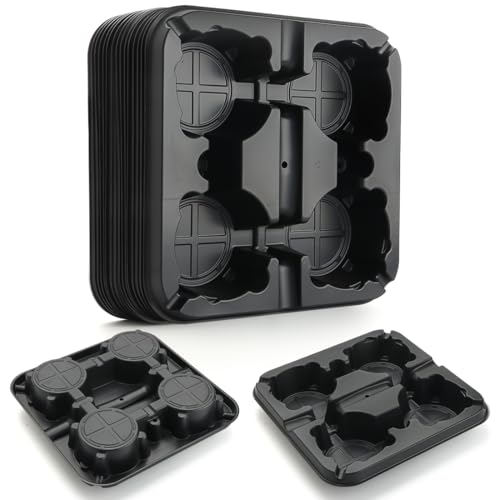
The RooTrimmer tray is built for durability with thickened plastic designed to bear heavy pots. Each cell accommodates a 5–6 inch pot, and the tray features a sturdy base to keep pots upright during transport or daily care. The design aims to prevent wobbling and pot damage, making it suitable for both home use and more demanding environments. Drainage holes are placed strategically to balance moisture control and root health, helping to reduce root rot risk when watering is thorough but controlled.
10 Plant Growing Trays (No Drain Holes)

These no-drain-hole trays from Living Whole Foods offer a large, flat surface ideal as drip trays or for seedling starts that don’t require embedded drainage. The generous top dimensions support multiple pots or seed flats, and the bottom dimensions ensure stability on shelves or tables. The no-hole design simplifies maintenance and cleanup, while the ample surface area supports even soil distribution and root zone management when used with appropriate absorptive materials. They work well for microgreens or hydroponic bed setups where drainage is managed separately.
RooTrimmer 1020 Trays (No Holes)

Built to fit standard 1020 plug trays, these extra-thick trays are designed to resist bending under load and to maintain stability when pots are filled with soil and moisture. Their hole-free construction makes them well-suited for seed starting with soil retention or for transporting a batch of plants without drainage concerns. The sturdy PS material supports prolonged use and can handle varying temperatures, which is advantageous for seedling propagation in different seasons.
Gardzen Seed Trays (No Drain Holes) 10 Pack

The Gardzen trays emphasize durability and reusability, offering no-drain-hole performance ideal for controlled watering regimes and multi-season use. The 14.5 by 9-inch footprint provides ample space for several seedlings or microgreens per tray, while the no-hole design helps manage drip and surface moisture. Gardeners may value the reusability aspect for ongoing projects or for educational purposes where consistent performance over time is important.
ZAVOOS Nursery Potting Trays (No Drain Holes) 6 Pack
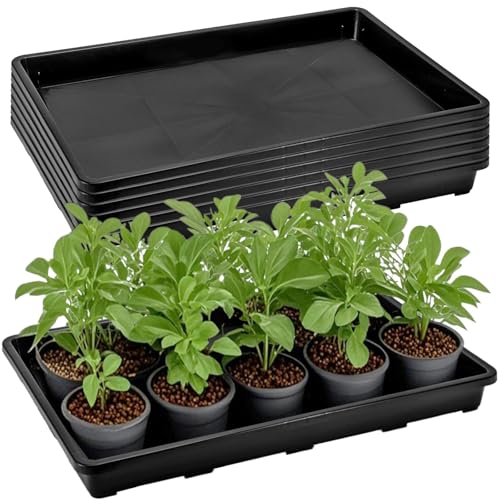
The ZAVOOS nursery trays come in a bulk pack with no-drain holes, providing a broad surface for seedling germination and early potting. The large size (approximately 17.3 by 11.6 inches) supports a variety of plant types and offers stability for transport and handling. The trays are described as sturdy and durable, with easy cleaning in mind, which aligns with needs for frequent re-use in home or community garden spaces.
RooTrimmer Growing Trays 1020 No Holes (10 Pack)

Designed to hold 72/128 cell plug trays without holes, these trays emphasize rigidity and load-bearing capability. The top measures around 21 by 11 inches, with a bottom that aligns with standard plug trays to prevent movement during watering or relocation. The thick, high-quality PS material makes the trays resistant to bending and cracking, even under cold or high-temperature conditions. This makes them suitable for a range of propagation environments and schedules.
Buying Guide: Key Considerations For Choosing Nursery Trays
- Purpose and drainage: Decide whether you want holes for drainage or a solid tray to be used as a drip tray or for microgreens. No-hole trays can simplify cleanups and drip management, while hole designs support root aeration and drainage.
- Size compatibility: Measure your pots and plug trays to ensure the trays fit your setup, especially for 5–6 inch pots or 1020 plug trays. Look at top and bottom dimensions for stability and compatibility with shelves, heating mats, and racks.
- Material and durability: Look for thick, rigid plastic that resists bending, cracking, and warping. Reusability is a plus for cost efficiency and sustainability across seasons.
- Load capacity: Consider weight from soil and water, especially if you transport trays or use them on raised racks. Heavy-duty trays reduce the risk of damage during handling.
- Cleaning and maintenance: Some trays are easier to wash and sanitize than others. Smooth edges and rounded corners help reduce damage to pots and make cleaning easier.
- Temperature and climate tolerance: If trays will be exposed to varying temperatures, ensure the material remains stable and won’t crack under cold or heat.
- Storage and stackability: Flat, uniform trays are easier to stack for compact storage when not in use. Check if racks or organizers are compatible with the tray dimensions.
- Budget and reuse: Reusable trays offer long-term savings, especially for hobbyists or schools. Compare upfront costs with anticipated multi-season usage.
Overall, selecting the right nursery trays depends on whether your focus is seed starting efficiency, microgreen production, or reliable transport of pots. The options above balance durability, size, and whether drainage is needed, helping you tailor a setup that fits your space and workflow.