Choosing the right weed barrier paper can dramatically reduce maintenance while protecting soil moisture and promoting healthy growth. This guide highlights five leading landscaping papers designed to block weeds while allowing air and water to reach plant roots. All options are biodegradable or paper-based, aligning with eco-conscious garden care and sustainable practices. Read on to compare materials, permeability, and installation tips to help your beds stay clean and productive.
| Product | Width x Length | Material | |
|---|---|---|---|
| Biodegradable Weed Barrier by AGEGOMIC | 4 x 100 ft | 100% natural kraft paper | Strong barrier with soil enrichment as it biodegrades |
| EXTRAEASY Garden Weed Barrier | 1.4 ft x 50 ft | Thick polypropylene woven fabric | Premium durability with good permeability |
| VEVOR Weed Barrier Landscape Fabric | 6 x 100 ft | 3.2 oz polypropylene woven | Heavy duty, highly permeable with precise edges |
| Sandbaggy Biodegradable Paper (3 ft x 475 ft) | 3 ft x 475 ft | Cardboard-based paper | Eco-friendly, breathable, adds organic matter |
| GDNaid 4 ft x 100 ft Weed Barrier | 4 x 100 ft | 3.2 oz polypropylene | Durable with good water and nutrient flow |
Note: All products listed are designed to suppress weed growth while allowing air and moisture to reach the soil, supporting sustainable garden beds. Availability and exact specifications may vary by seller; refer to product pages for the latest details.
Biodegradable Weed Barrier By AGEGOMIC

The AGEGOMIC biodegradable barrier is crafted from 100% natural, unbleached kraft paper. Thickened to provide a robust shield against wind and debris, it still allows soil respiration through breathable fibers. Over time, it biodegrades, enriching soil with organic matter and sustaining a healthy microclimate for seedlings and mature plants alike. The open-fiber structure supports balanced airflow and gentle shading to reduce evaporation while protecting soil texture and moisture levels.
Key features include: a biodegradable, heavy‑duty paper composition; reinforced cellulose fibers for durability; breathable design that maintains soil moisture; and a natural breakdown cycle that enriches soil biology as it decomposes.
GJKlDCVB Biodegradable Paper Weed Barrier 4×50

This biodegradable paper barrier uses degradable organic wood pulp with zero plastics, designed to naturally degrade and enrich soil matter. It functions as a weed-proof layer that also permits air and water exchange, supporting efficient irrigation and reducing weed germination. Intended for organic plant beds, the paper can be plowed into soil to increase organic matter and improve soil structure over time.
Highlights include: weed suppression through light blockage; breathable, plastic-free composition; environmental compatibility; and compatibility with sustainable gardening practices that aim to improve soil health as the barrier decomposes.
EXTRAEASY Garden Weed Barrier Landscape Fabric
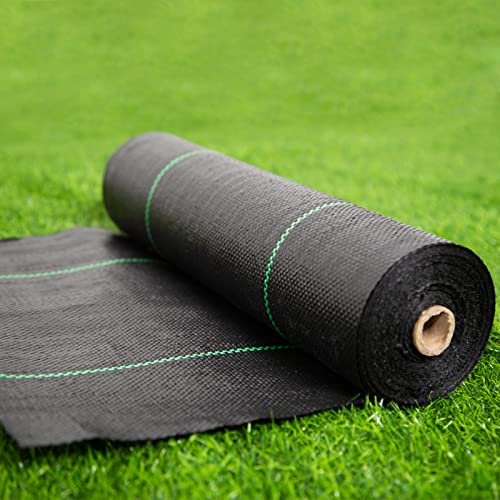
The EXTRAEASY weed barrier is a thick polypropylene woven fabric designed for long-term durability in garden beds and pathways. Its 1.4-foot width makes it versatile for narrow beds, walks, and raised bed projects, reducing the need for expensive cuts. The fabric prides itself on high permeability, allowing air, water, and soil nutrients to reach the roots while blocking sunlight to suppress weed germination.
Key traits include: heavy duty construction; suitability for various landscape projects; and reliable permeability to protect soil health while minimizing water evapotranspiration and weed growth.
GJKLDCVB 4×100 Ft Biodegradable Paper Barrier
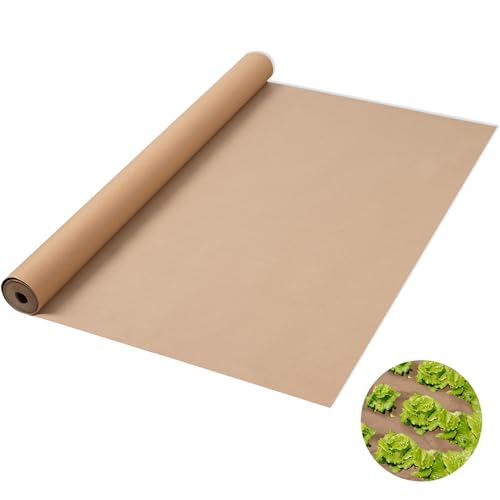
This 4×100 ft biodegradable paper barrier mirrors the concept of natural fiber waste turned into a protective layer. It emphasizes 100% biodegradable content with no plastics, designed to decompose gradually and enrich soil. The barrier is noted for weed suppression by blocking sunlight and maintaining airflow to the roots, helping to sustain an environment suitable for organic crops and native plantings alike.
Strengths include straightforward installation over larger garden areas, compatibility with organic gardening, and a decomposition cycle that contributes organic matter back to the soil over time.
VEVOR Weed Barrier Landscape Fabric

The VEVOR weed barrier uses a dense 3.2 oz polypropylene woven fabric designed for heavy-duty garden and landscape use. It provides robust weed suppression while maintaining high permeability to water and air, protecting soil health and nutrient cycling. The fabric includes smooth ultrasonic-cut edges with clear guide lines for precise trimming, which helps minimize waste and labor during installation.
Considerations include: long-term durability under sun exposure and foot traffic; balance between strength and permeability; and the availability of alignment guides to ensure clean, professional installations in lawns, pathways, and raised beds.
GDNaid 4×100 Ft Weed Barrier

This GDNaid barrier emphasizes durability with a heavy-duty 3.2 oz polypropylene fabric, designed for long-lasting weed suppression while tolerating heavy foot traffic or equipment use. The fabric is engineered to allow water and nutrients to flow through to the soil, reducing runoff and erosion while supporting healthy plant growth. Its robust construction makes it suitable for larger landscape projects and high-use areas.
Key factors include: strong tear resistance; reliable water and nutrient permeability; and suitability for both professional and home landscaping projects that require durable, dependable weed control.
Buying Guide: Key Purchase Considerations
- Material and decomposition: Biodegradable paper barriers provide soil enrichment as they break down, ideal for organic beds. Plastic-based woven fabrics offer long-term durability but may persist longer in the environment; consider your project timeline and sustainability goals.
- Permeability and moisture: Look for fabrics designed to balance air and water flow with weed suppression. High permeability reduces soil evaporation and helps roots access moisture, which is crucial in hot, arid regions.
- Width, length, and coverage: Wider rolls cover more area and reduce joints, but may be harder to handle in tight spaces. Choose a size that matches bed dimensions and installation ease, especially for curved or irregular beds.
- Durability and foot traffic: For pathways or frequently walked areas, thicker fabrics with reinforced edges resist tearing and fraying, preserving barrier effectiveness over time.
- Installation features: Pre-edges, cutting guides, or alignment marks can simplify installation and ensure clean lines around beds, borders, and mulch layers.
- Soil health impact: Some papers enrich soil as they decompose; others primarily block weeds. If soil-building is a priority, consider biodegradable options that add organic matter during breakdown.
- Environmental considerations: Cardboard- and paper-based options are often more eco-friendly and locally produced, reducing plastic waste and improving overall sustainability.
- Maintenance and removal: biodegradables may integrate back into the soil without removal, while durable fabrics may require eventual removal or replacement after years of use.