Choosing the right potting soil is key to thriving houseplants. The following selections are designed to support moisture retention, root development, and reducing issues like fungus gnats. Each option is suitable for common indoor varieties such as pothos, philodendrons, ferns, and tropicals. This guide highlights five leading picks, showcasing how blends differ in organic content, nutrients, and water retention to fit different care routines.
| Product | Brand | Size / Pack | Key Benefit |
|---|---|---|---|
| Miracle-Gro Houseplant Potting Mix | Miracle-Gro | 4 qt | Less prone to gnats; optimized for indoor use |
| Miracle-Gro Indoor Potting Mix (2-Pack) | Miracle-Gro | 6 qt x 2 | Feeds up to 6 months; versatile for many plants |
| Back to the Roots 100% Organic Indoor Potting Mix (6 Qt) | Back to the Roots | 6 qt | Organic, peat-free; promotes healthy root growth |
| Miracle-Gro Indoor Potting Mix (16 qt, 2-Pack) | Miracle-Gro | 16 qt x 2 | Long-lasting and designed to reduce gnats |
| Rosy Soil Indoor Potting Soil (8 qt) | Rosy Soil | 8 qt | Biochar-enriched; promotes robust root systems |
Miracle-Gro Houseplant Potting Mix

Miracle-Gro Houseplant Potting Mix combines essential elements for indoor plant health, including perlite for drainage and sphagnum peat moss for moisture retention. It’s formulated to be less prone to fungus gnats, aiding indoor gardeners with pothos, spider plants, monstera, philodendron, and ivy varieties. The mix supports steady growth in common houseplants and helps maintain root vigor in compact pots. Use in standard containers to create a balanced base for most foliage and tropical species.
Miracle-Gro Indoor Potting Mix 6 qt (2-Pack)
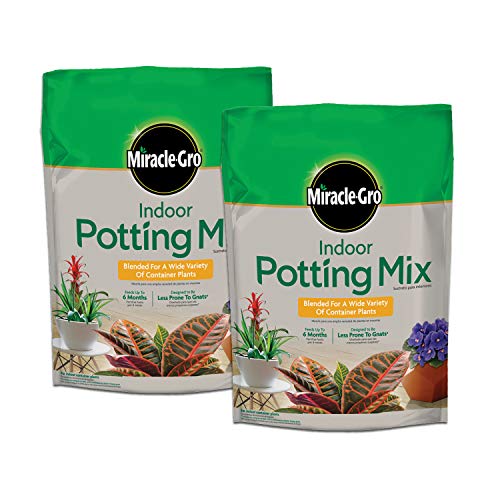
This 2-pack includes two 6-quart bags designed for a wide variety of indoor container plants. The mix is blended to stay workable while feeding for up to six months, reducing the frequency of re-potting. It’s suitable for trailing climbers, foliage plants, flowering varieties, and tropicals, with a focus on ease of re-wetting and even moisture distribution to support healthy root development.
Back to the Roots 100% Organic Indoor Potting Mix (6 Quart)

Back to the Roots emphasizes organic content and moisture retention through yucca extract and natural microorganisms. The root-boosting mycorrhizae component supports nutrient uptake, while peat-free composition appeals to environmentally conscious buyers. This mix is well-suited for all indoor container plants, including tropicals and flowering varieties, and aims to promote steady growth with reduced environmental impact.
Miracle-Gro Organic Indoor Potting Mix (16 qt, 2-Pack)

This organic mix protects against overwatering and underwatering while delivering a natural fertilizer boost. It blends responsibly sourced sphagnum peat moss, coir, and a quick-start nutrient mix to support a wide range of indoor container plants. The 16-quart bags provide long-term supply for larger collections or multi-season repotting, with suitability for herbs, foliage, and flowering houseplants alike.
Rosy Soil Indoor Potting Soil (8 qt)

Rosy Soil’s blend features biochar and pine bark fines to promote robust root systems and balanced moisture. It’s designed to support a living soil microflora that benefits a broad spectrum of houseplants, from foliage plants to herbs. The peat-free formulation appeals to eco-conscious gardeners seeking a natural option with reduced environmental impact. Easy planting instructions aid beginners and seasoned growers alike.
Buying Guide
Key purchase considerations when selecting potting soil for houseplants include moisture retention, drainage, and suitability for your plant types.
- Organic content and peat presence: Peat-heavy mixes retain water but may be less sustainable. Peat-free blends increase environmental responsibility.
- Water retention vs. drainage balance: Perlite, coir, and biochar can influence how often you water and how well roots receive oxygen.
- Fungus gnats risk: Some mixes are formulated to reduce gnat infestations by avoiding compost and bark components that harbor larvae.
- Nutrient delivery: Some products include slow-release fertilizers or natural starters; consider if you prefer pre-fertilized mixes or plan to feed separately.
- Plant type compatibility: Foliage, tropicals, and flowering plants may benefit from distinct blends; choose based on your collection’s composition.
- Container size and reuse: Larger pots require more soil; consider long-term needs and whether you buy in bulk or smaller bags.
In sum, the best potting soils for houseplants balance moisture, drainage, and nutrients to support healthy root systems and vibrant growth. For a pesticide-free, sustainable angle, peat-free or organic blends may align with your environmental goals, while actively resourcing gnats can guide you toward mixes designed to minimize pests. Always tailor your choice to the specific needs of your plant collection and local indoor conditions, such as humidity and light.